Quick answer
When a coating lifts from the floor, forms bubbles, or separates in sheets, the visible defect may look similar even though the cause is different. Adhesion loss can begin at the concrete surface, between coating layers, inside weak concrete, or around a contaminant that prevented bond.
Peeling and bubbling are symptoms, not a complete diagnosis
When a coating lifts from the floor, forms bubbles, or separates in sheets, the visible defect may look similar even though the cause is different. Adhesion loss can begin at the concrete surface, between coating layers, inside weak concrete, or around a contaminant that prevented bond.
The repair should start by identifying where the failure occurred. The underside of a peeled chip, the condition of the exposed slab, the location of the damage, and whether it appears after rain, vehicle parking, or chemical exposure can all provide clues.
Inadequate surface preparation is one of the most common causes
Concrete coatings need a clean, sound, appropriately profiled surface. If the slab is only pressure washed or lightly etched when the system requires mechanical preparation, the coating may bond to weak laitance, dust, or a smooth surface instead of solid concrete.
Edges and corners are frequent weak points because large grinders cannot reach them. A complete preparation plan includes perimeter grinding, removal of old paint and sealer, vacuuming, and verification that the required surface profile is consistent across the floor.
Oil, silicone, tire dressing, and invisible sealers can block adhesion
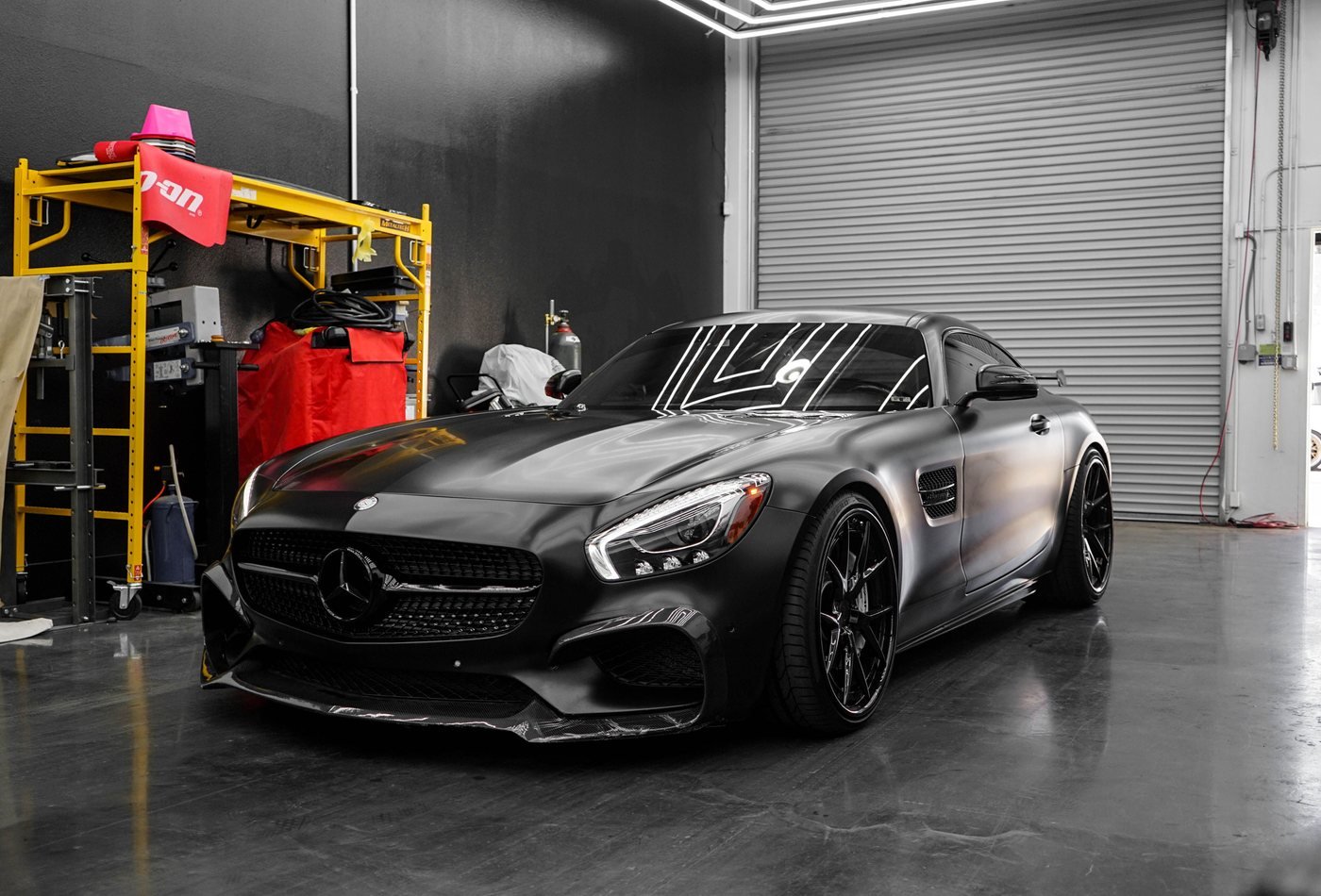
Garages collect contaminants that are difficult to remove. Motor oil can penetrate deeply, silicone-based tire products can spread beyond the parking area, and concrete may contain curing compounds or sealers that are not obvious by appearance.
Grinding removes surface material, but heavily contaminated areas may need repeated cleaning, deeper removal, or a specialized primer. Coating over a glossy sealer or oil-darkened concrete without testing can produce localized peeling that follows the contaminated area.
Moisture vapor can create pressure beneath the coating
Water does not have to be visibly pooling for moisture to matter. Vapor can move through the slab from soil, irrigation, high water tables, wet weather, or moisture retained in new concrete. Some systems tolerate more moisture than others.
Bubbles, whitening, osmotic blisters, or repeated delamination after wet periods may justify moisture testing. The installer should compare test results with the written limits of the proposed primer and system rather than relying on a generic statement that the floor “feels dry.”
Mixing errors can leave epoxy soft, sticky, or weak
Two-component coatings depend on the correct ratio of resin and hardener, thorough mixing, and use within the specified pot life. Incomplete mixing around the sides of a container or splitting kits by eye can leave areas that never cure properly.
Temperature also changes working time. Material that remains workable for a certain period in a cool environment may react much faster in a warm garage. Crews need a mixing plan, timers, measured coverage areas, and enough labor to place the material before it begins to set.
Applying outside the recoat window can cause intercoat delamination
Multi-layer floors rely on chemical or mechanical bond between coats. If the next layer is applied too soon, solvents or reaction gases may be trapped. If it is applied too late, the previous layer may require sanding or abrasion before recoating.
A floor can therefore fail between layers even when the base remains attached to the concrete. The installer should follow the product data sheets for minimum and maximum recoat times and adjust for temperature and humidity.
Incorrect film thickness can contribute to bubbles and cure problems
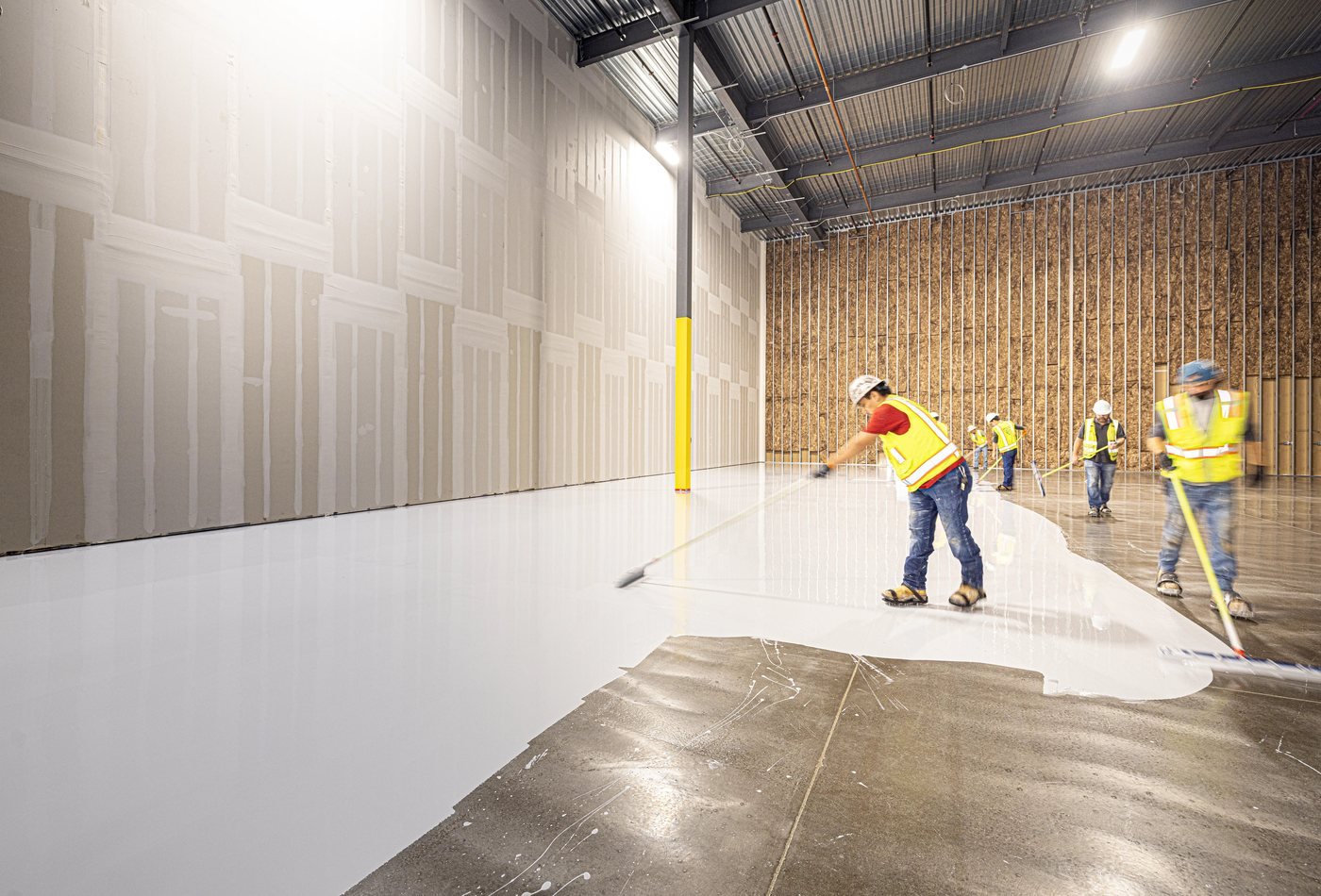
Material spread too thin may not achieve the expected coverage, color, or protective build. Material applied too thick can generate heat, trap air, or cure unevenly. Porous concrete can also release air as it warms, creating pinholes or bubbles in a fresh coating.
Primer selection, application timing, and controlling the slab temperature can reduce outgassing. Contractors should calculate square footage, batch size, and coverage rate rather than estimating material by appearance alone.
Heat, humidity, condensation, and weather affect installation
Coatings have minimum and maximum application temperatures as well as dew-point requirements. If the slab temperature is too close to the dew point, invisible condensation can form and interfere with adhesion. High humidity can also affect certain chemistries and cure behavior.
Florida weather makes jobsite measurement important. Air temperature alone is not enough; slab temperature, relative humidity, and forecast conditions should be considered, especially near open garage doors or on outdoor slabs.
Hot-tire damage may expose an underlying adhesion problem
Warm tires can soften or stress a coating, particularly if the material is under-cured, thin, incompatible with tire plasticizers, or weakly bonded. Damage often appears as curved or rectangular patches where tires rest.
A properly selected and fully cured garage system should be designed for vehicle use, but no product performs well if it is placed over contamination or returned to service too early. Follow the written drive-on time, not only the time when the surface feels dry.
Concrete movement can crack or lift a rigid finish
Coatings do not stop a slab from shrinking, settling, or moving at joints. A crack may reflect through the finish, and movement at an expansion joint can tear a rigid bridge. Repairs must be matched to whether the defect is dormant or active.
If the concrete is spalling or delaminated, the coating may lift with the weak substrate attached. That is not necessarily a failure of adhesion; it can be a failure within the concrete itself. Soundness testing and removal of weak material are important before recoating.
Successful repair may require more than sanding and touching up
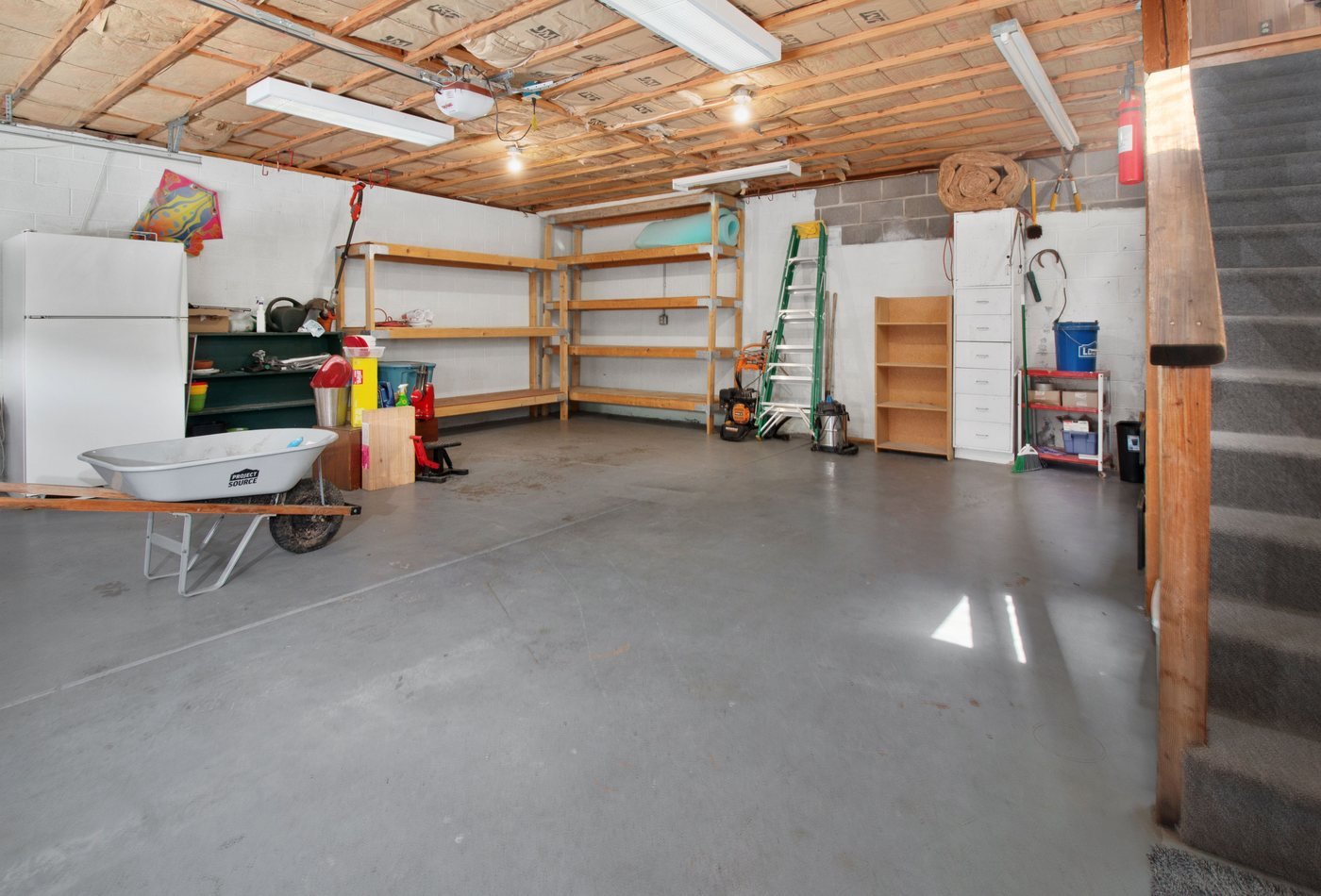
Small isolated defects can sometimes be cut back to firmly bonded edges, repaired, recoated, and blended. Widespread failure usually requires removal of the affected system, renewed preparation, and correction of the underlying cause.
Simply rolling a new clear coat over peeling areas hides the symptom temporarily and can make future removal harder. Ask the repair contractor to explain the failure plane, testing performed, removal limits, and how the replacement system differs from the failed one.
Prevention comes from a documented process
Before installation, confirm the slab condition, preparation method, moisture strategy, repair products, layer sequence, coverage rates, recoat windows, and return-to-service schedule. Product names and data sheets should be available in writing.
During the project, the crew should control dust, measure conditions, mix complete units correctly, and protect the floor while it cures. Those steps are less visible than the final flake color, but they are the reasons the finish remains attached.
Project checklist
Information to collect when a coating fails
- Photos of the defect and the exposed concrete beneath it
- Whether failure is at the slab, between layers, or within weak concrete
- Installation date and when vehicles returned
- Recent rain, irrigation, flooding, or moisture changes
- Products, batch numbers, and layer sequence if available
- Locations of tires, doors, cracks, drains, and exterior walls
- Cleaning chemicals, spills, mats, or tire products used nearby
Frequently asked questions
Questions homeowners often ask
Can peeling epoxy be repaired without replacing the whole floor?
Small isolated areas may be repairable if the surrounding coating is firmly bonded and the cause can be corrected. Widespread or recurring delamination often requires more extensive removal.
What do bubbles in a garage floor coating mean?
Bubbles can come from air escaping porous concrete, moisture vapor, trapped solvents, mixing, excessive thickness, or application conditions. The location and failure plane need to be examined.
Why is the coating peeling only under tires?
Possible causes include hot-tire pickup, early vehicle return, contamination from tire products, inadequate preparation, thin film, or an underlying adhesion problem.
Will another clear coat stop peeling?
No. A clear coat cannot restore bond beneath a delaminating layer. Loose material and the cause of failure must be addressed first.
Technical references and further reading
Product data sheets and the coating manufacturer’s current instructions control the final installation. These sources provide useful background for comparing proposals.