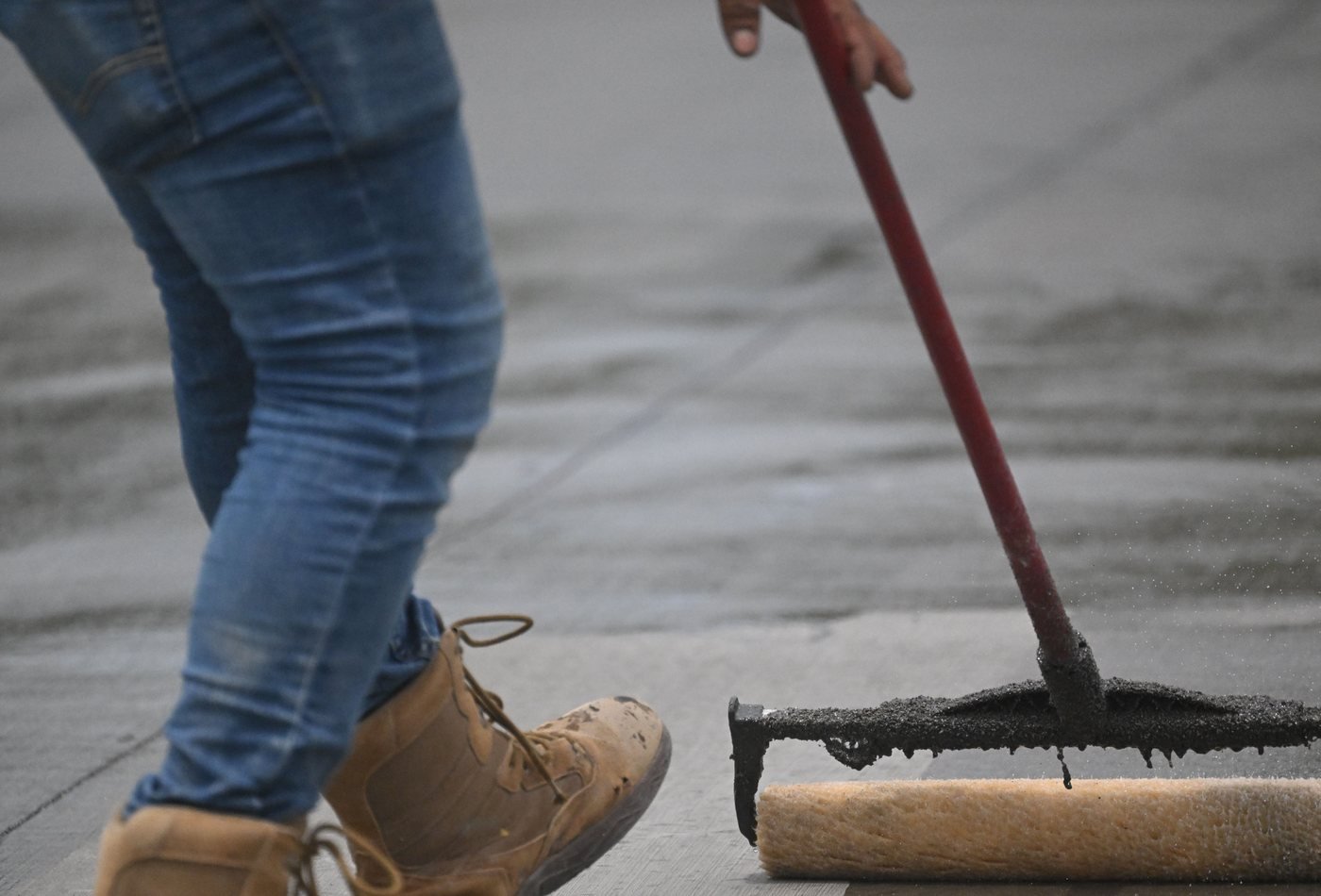
Advice from your local floor-coating company
What changes the price of a garage or concrete floor coating?
Floor coating prices are shaped by more than square footage. Two garages of the same size can require very different work if one has clean, sound concrete and the other has paint, oil contamination, moisture concerns, cracks, pitting, or failed repairs.
The proposed system also matters. A simple solid-color coating, multi-layer epoxy system, full decorative flake broadcast, polyaspartic topcoat, exterior-rated patio system, and heavy-duty commercial build each involve different materials and labor.
Use any price-per-square-foot figure only as a starting point. A written proposal should explain preparation, repairs, coating layers, flake or aggregate, topcoat, texture, exclusions, scheduling, and the condition assumptions used to create the estimate.
Items to compare
- Total square footage and number of separate areas
- Existing paint, sealer, adhesive, oil, or failed coating
- Grinding, edge work, dust control, and surface profile
- Crack, spall, pitting, joint, and patch repair
- Number and chemistry of coating layers
- Flake coverage, colors, texture, vertical surfaces, and topcoat
- Access, furniture or storage removal, phasing, and schedule
Related search topics
Frequently asked questions
Why do garage floor coating estimates vary so much?
The slab condition, amount of preparation, repairs, system thickness, coating chemistry, decorative finish, topcoat, and project logistics can all change the labor and material requirements.
Should I choose the lowest price?
Compare what is included. A lower estimate may omit mechanical preparation, repairs, moisture evaluation, topcoat details, or sufficient coating layers, while a higher estimate may include work your floor actually needs.