
Quick answer
A garage floor coating can be worth the investment when the goal is a cleaner-looking space, easier maintenance, reduced concrete dusting, improved stain resistance, and a more finished environment for parking, storage, hobbies, or a home gym. It is less compelling when the homeowner expects it to repair structural problems or make damaged concrete maintenance-free.
“Worth it” depends on what problem you want the floor to solve
A garage floor coating can be worth the investment when the goal is a cleaner-looking space, easier maintenance, reduced concrete dusting, improved stain resistance, and a more finished environment for parking, storage, hobbies, or a home gym. It is less compelling when the homeowner expects it to repair structural problems or make damaged concrete maintenance-free.
Start by defining the outcome. A decorative full-flake system may make sense for a garage that is used every day and is visible from the home. A basic sealer or targeted repair may be enough for a low-use utility area. The right comparison is between realistic options for your slab, not between a professional system and doing nothing in the abstract.
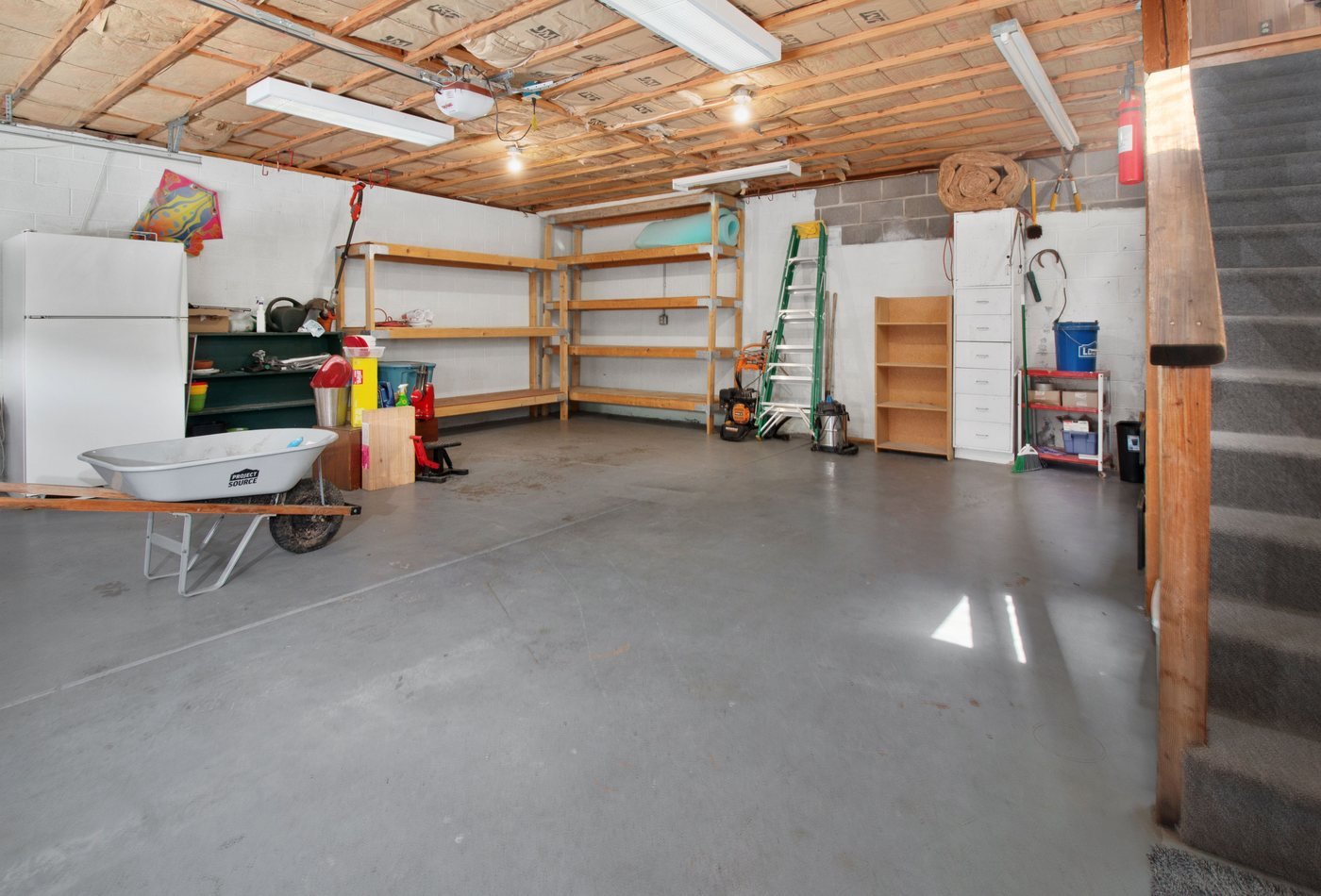
The visual improvement can change how the entire garage is used
Bare concrete often looks unfinished even after the walls and storage are improved. A consistent coating can brighten the room, make tools and debris easier to see, and tie together cabinets, wall colors, and lighting. For homeowners who use the garage as an entry, workshop, gym, or entertaining overflow, that visual change can be meaningful.
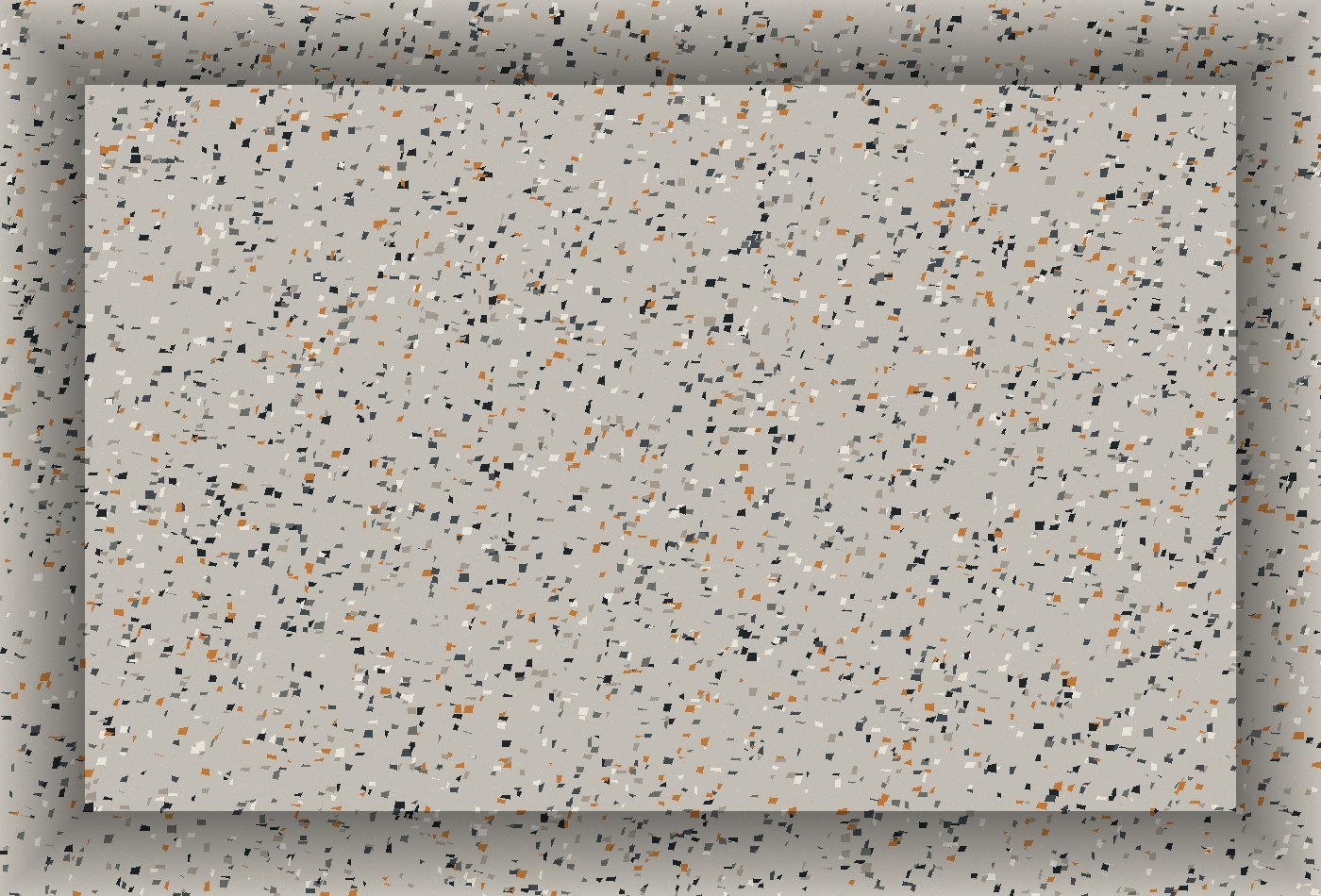
Decorative flakes also help disguise minor dirt, dust, and day-to-day marks better than a plain glossy solid color. They do not hide poor preparation or major slab defects, but they can create a more forgiving appearance than bare concrete or thin paint.
Cleaning is usually easier, but the floor is not self-cleaning
A properly finished resinous floor is less porous than bare concrete, so dust, muddy water, oil drips, and common garage debris generally remain closer to the surface. Sweeping, vacuuming, mopping, or squeegeeing can be easier because contaminants are not immediately absorbed into open concrete pores.
The tradeoff is that gloss and texture affect cleaning. A very smooth floor may be easy to mop but slippery when wet, while aggressive anti-slip texture can hold dirt. The best finish balances traction, appearance, and the cleaning tools you actually plan to use.
Coatings protect the surface, but they do not make concrete indestructible
A coating can improve resistance to staining, abrasion, and many routine spills, but its performance depends on the chemistry and the length of exposure. Gasoline, brake fluid, battery acid, solvents, hot metal, welding sparks, and harsh cleaners can affect different systems in different ways. Prompt cleanup still matters.
The coating also follows the slab beneath it. If the concrete moves, cracks, or deteriorates, the finish can reflect that movement. Structural cracks, active moisture, and weak concrete need to be addressed honestly rather than hidden under decorative material.
Professional preparation is a large part of what you are buying
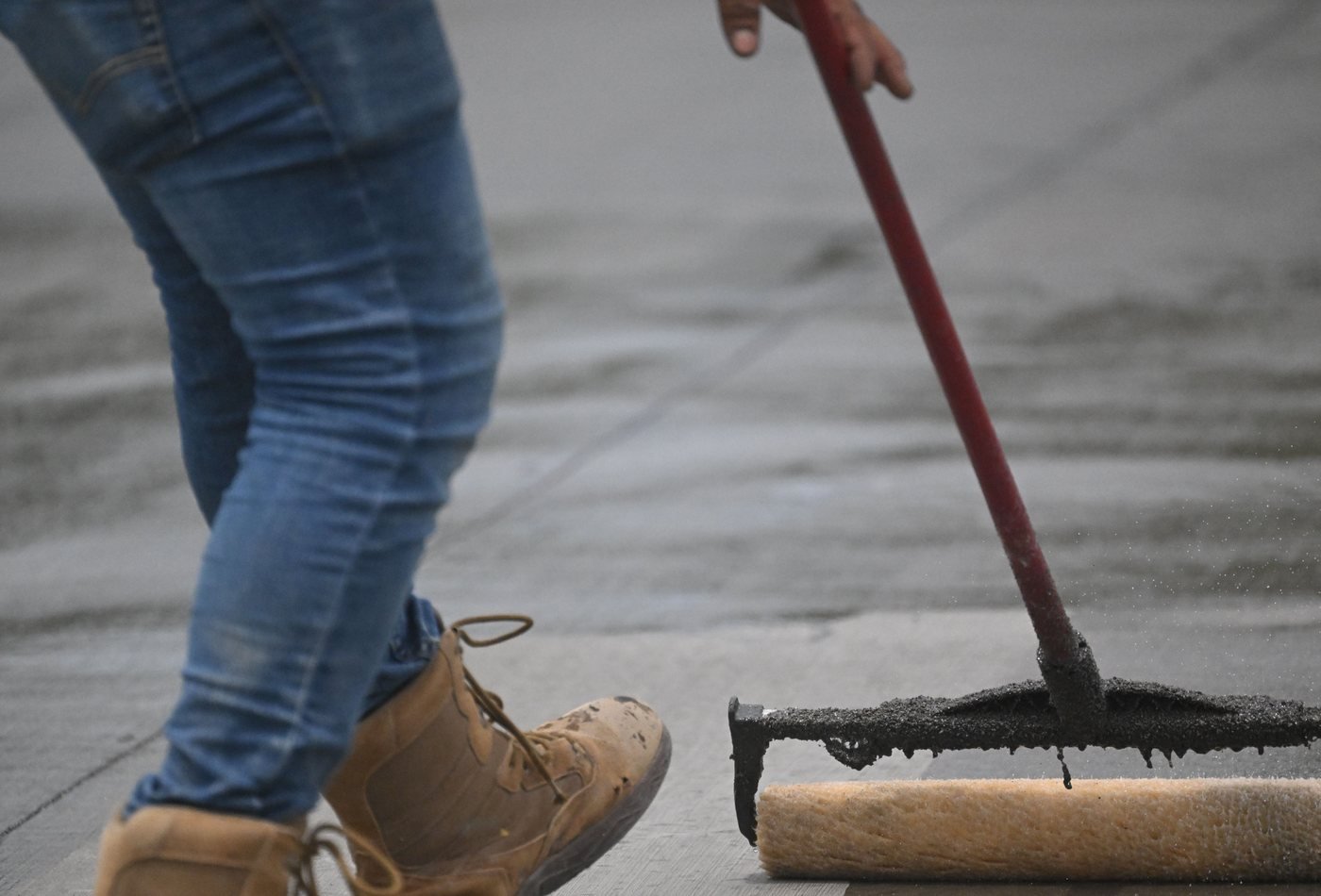
Homeowners sometimes compare a professional quote only to the price of a retail epoxy kit. That misses the equipment, labor, dust control, grinding, old-coating removal, crack repair, edge work, material quantities, and return-to-service planning included in a professional project.
Preparation is also where many long-term outcomes are decided. A premium topcoat cannot compensate for a contaminated or poorly profiled slab. When evaluating value, separate the cost of the coating material from the cost of creating a reliable bond to the concrete.
The project can add practical value even if resale value is hard to measure
A clean, finished garage can improve a buyer’s first impression and make the home feel better maintained. However, no responsible contractor can guarantee that the project will return a specific percentage at resale. The financial benefit varies by neighborhood, home price, buyer preferences, and the quality of the installation.
The more dependable value is the use you receive while living in the home: less concrete dust, easier cleanup, a more comfortable workspace, and a floor that complements other garage improvements. Treat resale as a possible bonus rather than the only justification.
Compare the coating with realistic alternatives
Alternatives include leaving the concrete bare, cleaning and sealing it, applying a one-part floor paint, using interlocking tiles, installing roll-out mats, or replacing damaged concrete. Each option has a different cost, appearance, repairability, moisture tolerance, and life expectancy.
Tiles can be replaced individually but may trap dirt or moisture below. Mats are removable but can shift or leave uncovered edges. Paint is inexpensive but often has lower wear and hot-tire resistance. A professional coating is most attractive when the homeowner values a seamless, bonded, easy-to-clean finish.
A coating is usually most worthwhile for high-use garages
The return feels strongest when the garage is used daily, connects directly to living space, stores valuable equipment, serves as a workshop or gym, or is being upgraded with cabinets and lighting. In those settings, the floor is part of the room rather than an overlooked slab.
It can also make sense before move-in, when the garage is empty and access is easy. Completing the project before shelving, appliances, or storage are installed can reduce labor and disruption.
There are real downsides to consider
The garage must be cleared, the floor may be unavailable for one or more days, and vehicles may need to remain outside until the specified cure time passes. Grinding creates noise and requires dust-control equipment. Some products have noticeable odor during application, and weather can affect the schedule.
A poor installation can be expensive to remove. Glossy floors can show scratches, certain colors show dirt, and too little texture can be slippery when wet. These are reasons to plan carefully, not reasons to dismiss the category entirely.
It may not be worth coating a slab that needs a different solution first
If the slab has active structural movement, severe moisture problems, widespread soft concrete, major heaving, or extensive contamination, the priority may be engineering, drainage, concrete repair, or replacement. Coating over an unresolved condition can turn a cosmetic upgrade into a failure.
A reputable estimate should identify those limitations. Sometimes the best recommendation is to postpone the coating, repair only part of the floor, or choose a moisture-tolerant system with additional preparation.
St. Augustine homeowners should weigh climate and exposure
Local garages may experience humid air, wet vehicles, sand, and strong sunlight near open doors. Patios and lanais have additional UV and wet-traffic concerns. Those conditions can make surface preparation, moisture evaluation, topcoat selection, and texture more important than they would be in a fully conditioned interior space.
The project is more likely to feel worthwhile when the proposed system is matched to those conditions. Ask whether every layer is approved for the exposure, how the floor will be cleaned, and what maintenance is expected over time.
Use a simple decision framework before signing
List the problems you want to solve, the expected use of the garage, your preferred appearance, and the years you expect to remain in the home. Then compare at least two detailed proposals that specify preparation, repairs, layer sequence, cure schedule, warranty, and exclusions.
A coating is worth it when the benefits you will use are greater than the cost and disruption, and when the slab is a suitable candidate. It is not worth it simply because a salesperson says epoxy is permanent or because a neighbor chose a particular color.
Project checklist
Questions to decide whether the project fits your home
- Will the garage be used mainly for parking, storage, hobbies, exercise, or work?
- Is the slab sound enough to coat without major repair or moisture mitigation?
- How much preparation and old-coating removal are included?
- What cleaning and traction level do you prefer?
- How long can the garage remain empty and vehicles stay outside?
- What alternatives have you compared on cost and expected service life?
- Does the written proposal define the complete system and warranty?
Frequently asked questions
Questions homeowners often ask
Do garage floor coatings increase home value?
They can improve buyer impressions and make a garage look better maintained, but there is no guaranteed dollar-for-dollar resale return. The strongest value is often daily use, appearance, and easier cleaning.
Is a garage floor coating better than tile?
A bonded coating creates a seamless surface, while interlocking tile is removable and individually replaceable. The better choice depends on moisture, repairability, appearance, budget, and how the garage is used.
Are professional coatings worth more than DIY epoxy kits?
Professional projects usually include mechanical preparation, repairs, commercial equipment, multiple layers, and a written warranty. Whether that premium is worthwhile depends on the slab and the homeowner’s expectations.
When is a coating not a good idea?
It may be unsuitable until active moisture, structural movement, severe contamination, or weak concrete is corrected. An on-site evaluation should identify those risks.
Technical references and further reading
Product data sheets and the coating manufacturer’s current instructions control the final installation. These sources provide useful background for comparing proposals.