
Quick answer
A professionally installed garage floor coating is generally expected to serve for years, not months. For planning purposes, many homeowners think in a broad five-to-fifteen-year range, while well-designed systems on sound concrete can remain useful longer. That range is not a promise because the same product can perform very differently on two slabs with different moisture, preparation, traffic, and exposure.
The practical answer: lifespan is a system question, not a single number
A professionally installed garage floor coating is generally expected to serve for years, not months. For planning purposes, many homeowners think in a broad five-to-fifteen-year range, while well-designed systems on sound concrete can remain useful longer. That range is not a promise because the same product can perform very differently on two slabs with different moisture, preparation, traffic, and exposure.
The most useful question is not simply “How long does epoxy last?” It is “How long should this complete system last on my slab under my actual use?” A contractor should be able to explain the preparation method, repair scope, primer or base coat, decorative layer, topcoat, cure schedule, and warranty assumptions that support the expected service life.
Thin paint-like coatings and professional resin systems should not be grouped together
One-part garage floor paint, consumer epoxy kits, high-build epoxy systems, polyurea base coats, and polyaspartic topcoats are not interchangeable. They differ in solids content, film build, adhesion requirements, abrasion resistance, UV stability, working time, and the amount of preparation they require. A low-cost coating rolled over lightly etched concrete should not be expected to age like a mechanically prepared multi-layer system.
When comparing quotes, ask for the exact layer sequence rather than relying on a broad label such as “epoxy floor.” A system may use epoxy where strong bond and build are useful, then use a different chemistry for faster return to service, abrasion resistance, or better color stability. The complete assembly is what you will live with.
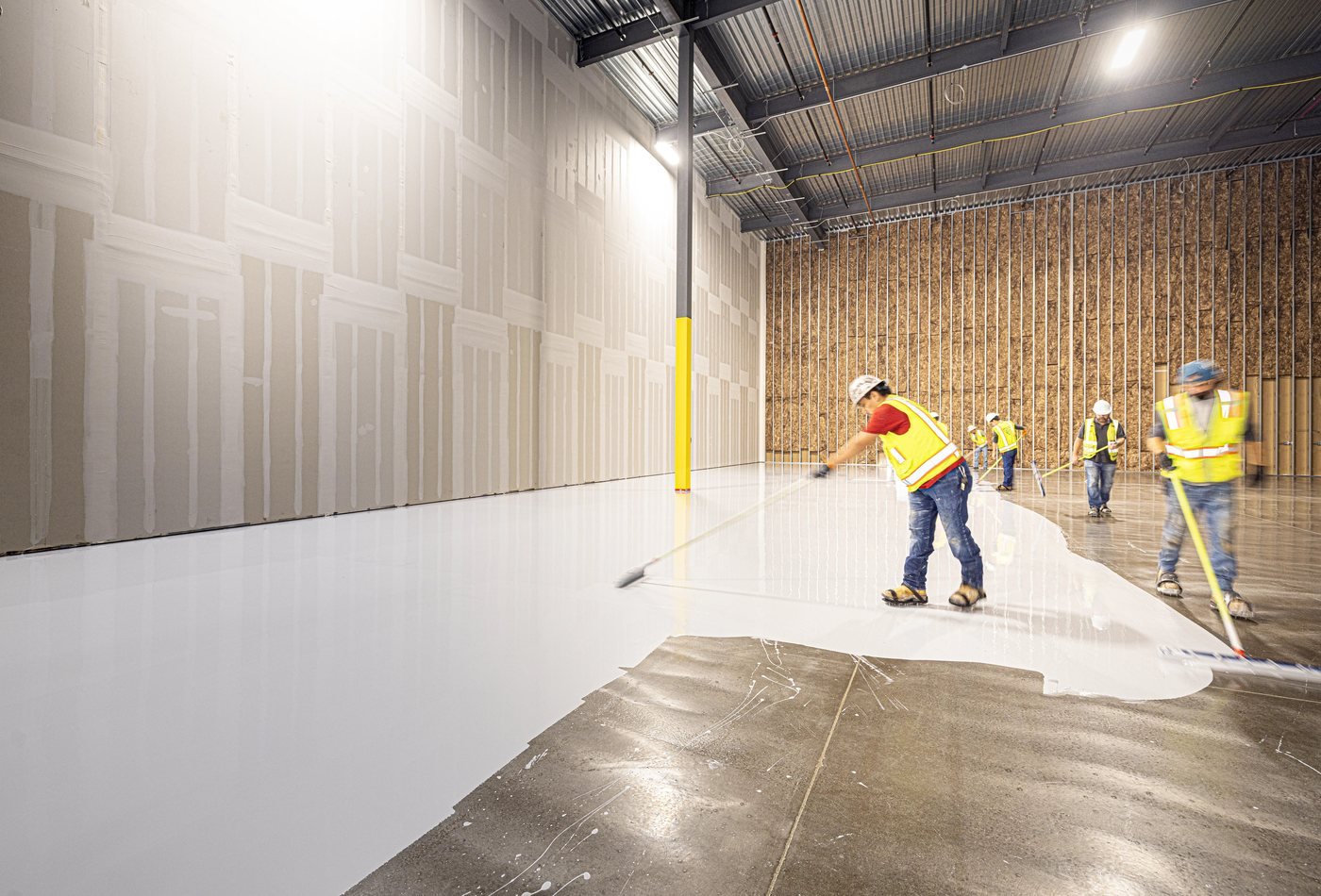
Surface preparation is the foundation of long-term adhesion
Premature failure often begins below the visible coating. Concrete must be structurally sound, clean, and prepared to the profile required by the coating manufacturer. Diamond grinding or shot blasting can remove weak surface paste, old paint, sealers, and contamination while creating a texture the new system can mechanically bond to.
A floor can look clean and still be poorly prepared. Oil may have migrated into pores, a curing compound may remain on new concrete, or an old sealer may prevent bond. Long service life starts with identifying those conditions and preparing the slab consistently, including edges, corners, stem walls, and difficult areas around doors.
Moisture can shorten life even when the coating looks good at first
Concrete is porous and can transmit moisture vapor from below. Excess moisture can contribute to bubbles, whitening, loss of adhesion, or pressure beneath a coating. The risk varies with the slab, drainage, vapor retarder, age of construction, recent weather, and the moisture tolerance of the proposed products.
Visual inspection alone cannot always confirm whether a slab is within a product’s limits. On higher-risk projects, ask whether quantitative moisture testing is appropriate and what the manufacturer allows. If mitigation is recommended, it should be a defined part of the system rather than an improvised extra coat.
Vehicle traffic, hot tires, tools, and point loads all influence wear
A garage used mainly for parking and storage usually places different demands on a floor than a workshop with jacks, welding equipment, rolling cabinets, or frequent chemical spills. Abrasive sand under tires, turning wheels while stationary, metal kickstands, and dragging heavy objects can mark even a high-quality coating.
The topcoat is the wear surface, so its abrasion resistance and thickness matter. Ask how the proposed finish is expected to handle your vehicles and equipment. If you work on cars, use floor jacks, or park motorcycles, discuss protective pads and point-load precautions before installation.
Sunlight and outdoor exposure change the durability equation
Epoxy can be an excellent bonding or build layer, but many epoxy formulations can amber or chalk when exposed to ultraviolet light. A garage with a door open for long periods may receive a band of strong sunlight near the entrance, while patios and lanais can experience much more direct exposure.
For areas with meaningful UV exposure, the installer should identify which layer provides color stability and whether every product is approved for the location. A UV-stable topcoat can protect appearance, but it does not make an indoor-only system automatically suitable for a fully exposed outdoor deck.
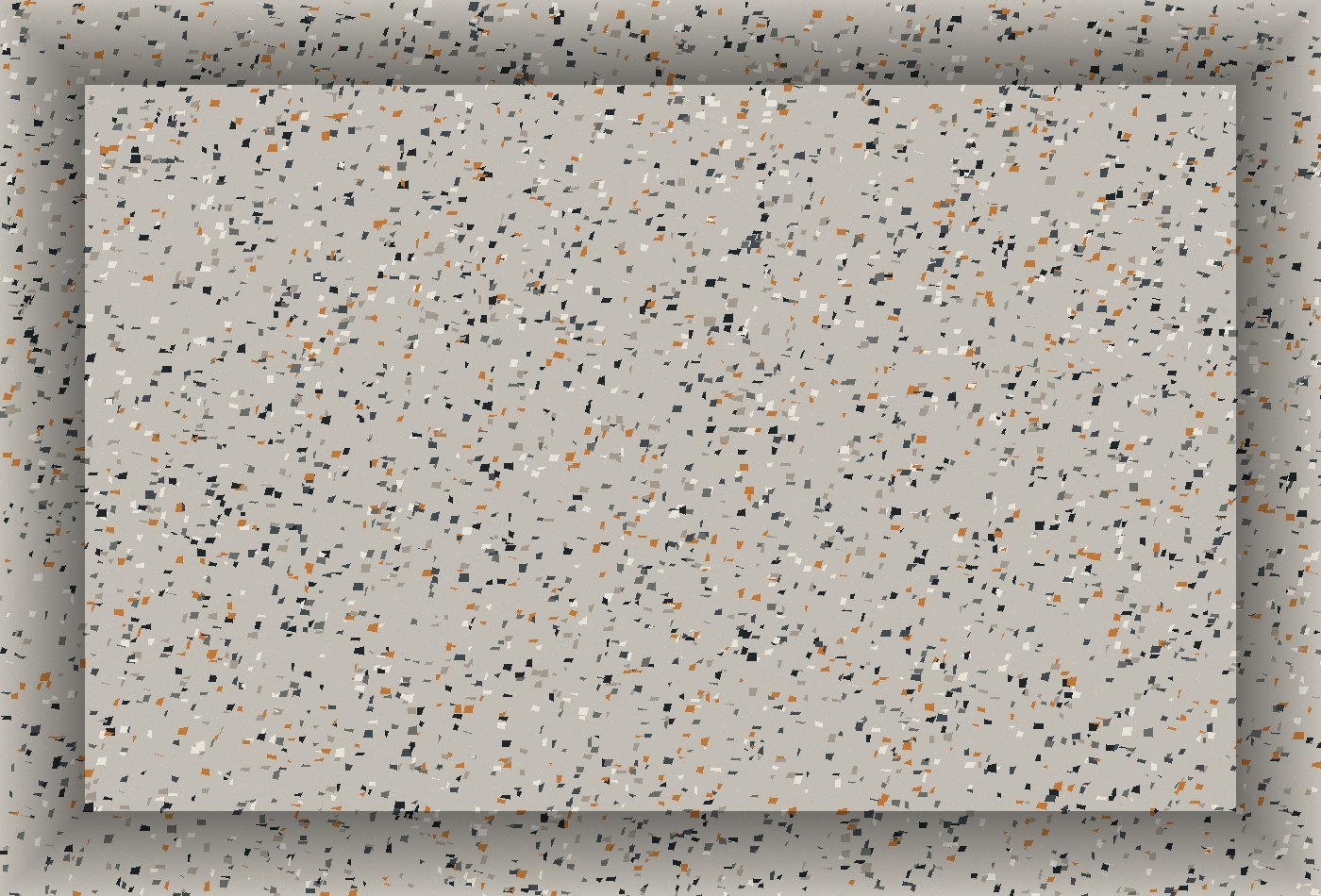
Layer thickness, coverage rate, and cure windows matter
Coatings are engineered to be installed within specified coverage rates and recoat windows. Stretching material over too much square footage can reduce film build, hide less of the substrate, and weaken the protective surface. Applying too much material can also create curing or blistering problems, depending on the chemistry and conditions.
Each layer must be mixed, applied, and recoated within the manufacturer’s instructions. Fast-curing products can reduce downtime but leave less room for correction. A disciplined installation crew, accurate material quantities, and documented batch mixing are important parts of a long-lasting result.
Maintenance preserves appearance and reveals small problems early
Routine sweeping or dust mopping removes abrasive grit before tires and foot traffic grind it into the finish. Spills should be cleaned with products compatible with the coating, and harsh solvents should not be assumed safe just because the floor is described as chemical resistant.
Watch high-wear areas near the garage entrance, under tires, around work benches, and along joints. Light scratching or gradual gloss loss is different from peeling or bubbling. A maintenance coat applied at the right time may refresh the surface before the underlying decorative layer is exposed.
Normal wear is different from adhesion failure
A floor can remain functional while showing fine scratches, reduced gloss, or localized wear. Those changes are common on working surfaces and may be addressed by cleaning, abrading, and recoating if the underlying system remains well bonded.
Peeling sheets, widespread hollow spots, recurring bubbles, or delamination at tire paths point to a different problem. Those symptoms may involve moisture, contamination, weak concrete, inadequate preparation, or an incompatible recoat. Repair should begin with diagnosis rather than simply covering the failure.
Warranty length is useful only when the coverage is clear
A long warranty headline can sound reassuring, but the exclusions and claim process matter more than the number of years. Many warranties exclude slab movement, hydrostatic pressure, moisture vapor, chemical abuse, impact damage, scratches, fading, or failures caused by conditions outside the installer’s control.
Ask whether the warranty covers labor and materials, whether it transfers to a future owner, and what documentation is required. Also ask who stands behind it: the local installer, the product manufacturer, or both. The strongest warranty is one paired with a clear system specification and a contractor likely to remain available.
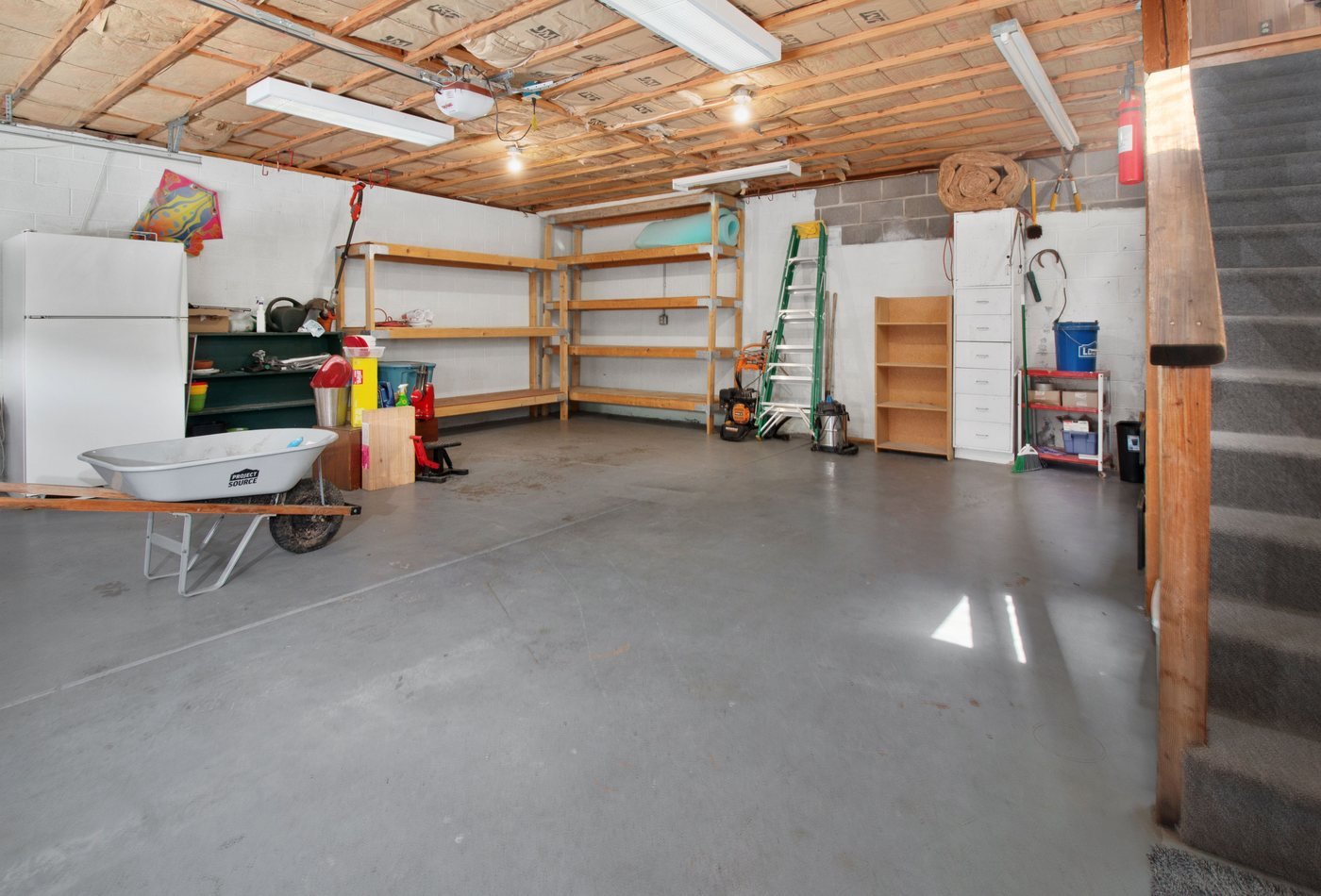
St. Augustine conditions deserve a local conversation
Florida garages can see humid air, wet vehicles, wind-driven rain near doors, coastal sand, and strong sunlight. Older St. Augustine-area slabs may have unknown vapor protection, previous paint, patching, or years of oil exposure. Newer homes may have curing compounds or smooth machine-finished concrete that still requires profiling.
A local estimate should account for the actual slab and the way the garage is used. Share photos, approximate square footage, age of the home, visible cracks, existing coatings, and whether the garage stays open to sunlight. Those details help separate a realistic lifespan discussion from a generic sales promise.
Recoat at the right time instead of waiting for total failure
If the coating remains firmly bonded but the top surface is dull or scratched, a maintenance recoat may extend the useful life. The floor must be cleaned, evaluated for compatibility, and mechanically abraded so the new coat can bond. Recoating over contamination or an unknown chemistry without testing can create a new failure layer.
When the system is peeling broadly or the concrete itself is deteriorating, partial touch-ups may not be economical. In those cases, removal and rebuilding may be the better long-term choice. A contractor should explain which areas can be preserved, what must be removed, and why.
Project checklist
Questions that help estimate useful life
- What exact products and layers are included, and what is the intended total film build?
- How will the concrete be mechanically prepared and how will edges be handled?
- Is moisture testing recommended for this slab, and what limits apply?
- Which layer provides UV, abrasion, chemical, and hot-tire resistance?
- When can people, storage, and vehicles safely return?
- What maintenance coat or recoat schedule does the installer recommend?
- What does the written warranty cover and exclude?
Frequently asked questions
Questions homeowners often ask
Can a garage floor coating last 20 years?
Some well-prepared, professionally installed systems on sound concrete can remain serviceable for a very long time, but a 20-year outcome should not be assumed. Traffic, moisture, UV exposure, chemistry, maintenance, and the definition of “serviceable” all matter.
Does polyaspartic always last longer than epoxy?
Not automatically. Polyaspartic can offer fast cure, abrasion resistance, and UV stability, while epoxy can provide strong adhesion and build. The best-performing floor may combine chemistries in a complete system.
When should a coated garage floor be recoated?
Consider evaluation when gloss loss, fine scratching, or wear begins to expose the decorative layer. Recoating before widespread failure can be simpler than removing a delaminated system.
Does a lifetime warranty mean the floor will never wear out?
No. Lifetime warranties usually contain exclusions and may cover only specific adhesion failures. Read the written terms, claim process, transfer rules, and maintenance requirements.
Technical references and further reading
Product data sheets and the coating manufacturer’s current instructions control the final installation. These sources provide useful background for comparing proposals.