
Quick answer
“Lifetime warranty” can mean very different things. One document may cover only peeling caused by workmanship, while another includes product defects, labor, and defined hot-tire failures. The headline duration is less useful than the covered events, exclusions, remedies, and claim process.
A warranty should explain a specific promise, not just display a long number
“Lifetime warranty” can mean very different things. One document may cover only peeling caused by workmanship, while another includes product defects, labor, and defined hot-tire failures. The headline duration is less useful than the covered events, exclusions, remedies, and claim process.
Ask to read the actual warranty before signing. Sales brochures and verbal promises should not replace the written terms.
Workmanship and manufacturer warranties are separate
The installer may warrant preparation and application, while the material manufacturer warrants that the product meets published specifications. A product warranty may provide replacement material but not labor to remove and reinstall the floor.
Clarify who handles a claim and whether the homeowner must contact the installer, manufacturer, or both. The local contractor’s stability and responsiveness are important parts of practical warranty value.
Adhesion coverage should define peeling and delamination
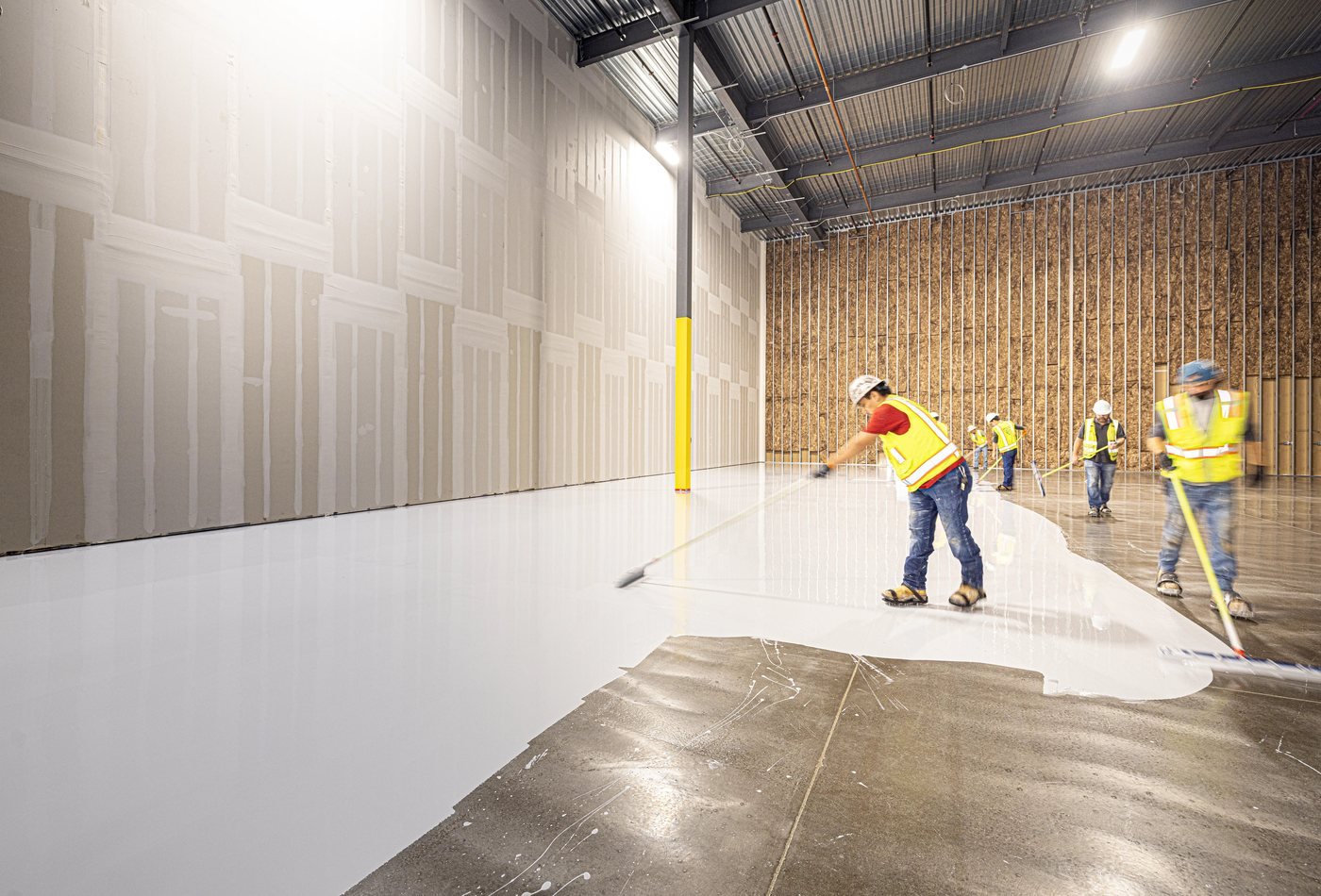
A useful warranty states whether the coating is covered if it separates from properly prepared concrete. It should also explain whether intercoat delamination between layers is included and how localized failures are repaired.
Coverage may exclude concrete that breaks beneath the coating, contamination that could not be removed, or areas outside the original scope. Those distinctions should be understandable.
Hot-tire language should be explicit
Because garages are intended for vehicles, homeowners should ask whether hot-tire pickup is covered after the specified cure period. Some warranties include it; others exclude tire staining, rubber transfer, or damage from early vehicle use.
The document should state the required drive-on time and any maintenance conditions. A claim may be denied if a vehicle returned before full cure.
Color change and UV exposure need separate treatment
Epoxy can amber under sunlight, and clear topcoats may change gloss over time. A warranty may exclude normal color shift or cover only excessive yellowing of a UV-stable topcoat.
If the garage receives direct sun or the project includes an outdoor area, ask which layers are UV stable and what appearance changes are considered normal.
Cracks and joint movement are commonly excluded
Coatings follow the concrete. New shrinkage cracks, settlement, expansion-joint movement, and structural changes are generally outside a standard adhesion warranty. Even repaired cracks may reappear if the slab moves.
Ask whether failure of the repair material itself is covered and whether the exclusion applies only to the crack line or to surrounding delamination.
Moisture exclusions can be broad
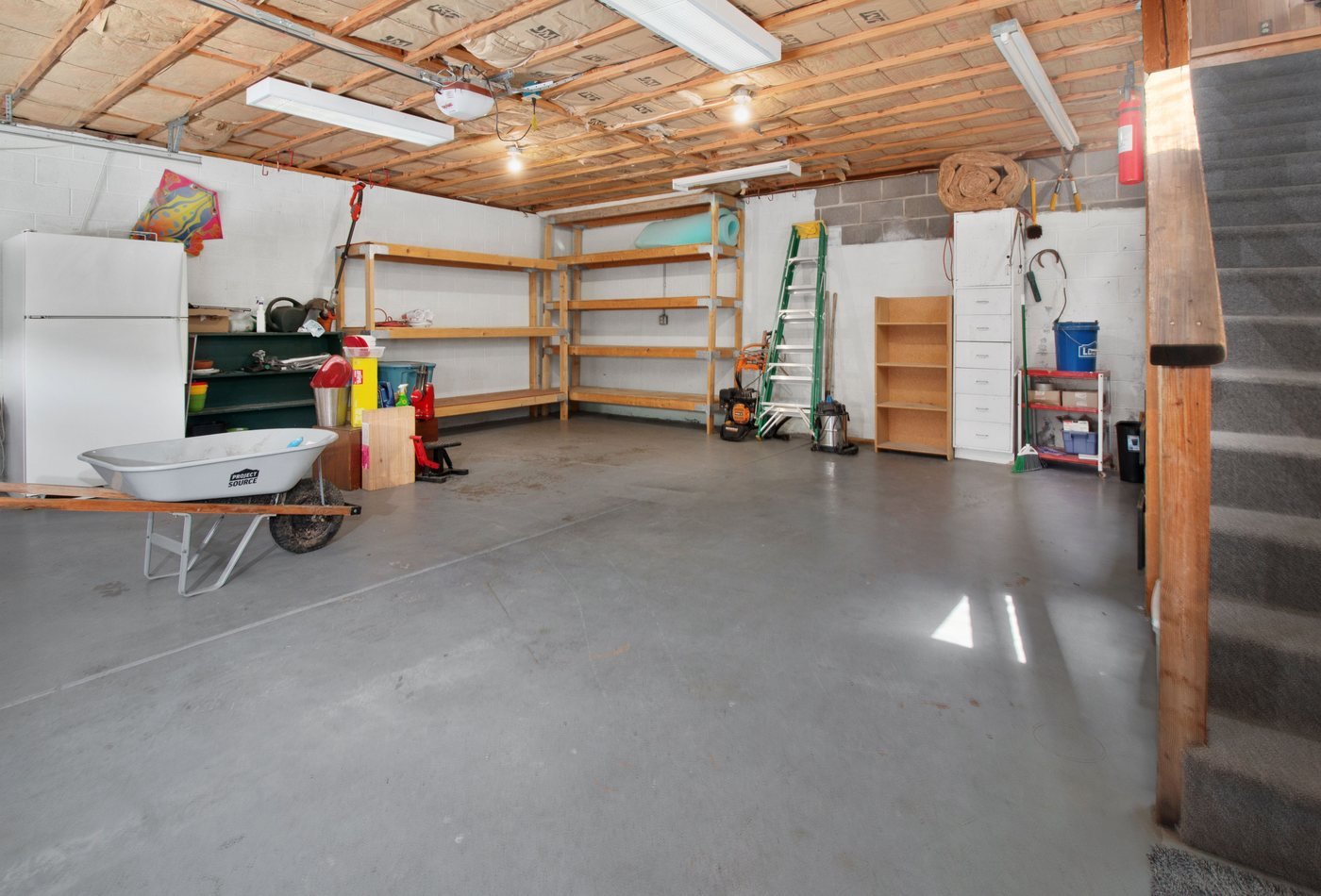
Many warranties exclude hydrostatic pressure, vapor transmission, flooding, plumbing leaks, irrigation, and moisture conditions beyond the product limit. If the slab has risk factors, testing and mitigation documentation become important.
A contractor should explain whether moisture testing was performed, what results were accepted, and whether a mitigation primer carries separate coverage.
Wear, scratches, and loss of gloss may be considered maintenance
A working garage floor will develop fine scratches, scuffs, and gloss change. Warranties often distinguish normal wear from premature coating failure. Damage from dragging metal, welding, floor jacks, kickstands, or abrasive debris may be excluded.
Ask whether maintenance recoats are recommended and whether completing them is required to preserve coverage.
Chemical damage is usually tied to product limitations and cleanup
Chemical resistance is not universal. The warranty may exclude battery acid, brake fluid, solvents, prolonged gasoline exposure, fertilizers, or unapproved cleaners. Prompt cleanup can be required.
If the garage has a workshop use, compare the expected chemicals with the product resistance guide before purchase rather than relying on the word “chemical resistant.”
Transferability can matter when selling the home
Some warranties remain with the original purchaser, while others can transfer once to a new homeowner after registration or a fee. A transferable warranty may support buyer confidence but should not be treated as guaranteed resale value.
Keep the signed contract, warranty, paid invoice, product list, photographs, and maintenance records so a future claim or transfer can be documented.
The remedy and claim process should be practical
A warranty should explain how to report a problem, how quickly inspection occurs, who decides the cause, and whether the remedy is repair, replacement, prorated credit, or material only. It should also state whether furniture and storage removal are included.
Be cautious when the remedy is entirely at the installer’s discretion with no timeline or when the warranty requires conditions that were never explained during the sale.
The best warranty begins with a detailed contract
Warranty disputes often start because the original scope was vague. The contract should identify square footage, preparation, repairs, products, layers, color, texture, edges, cure schedule, and exclusions before work begins.
Photographs of the prepared slab and completed floor create a useful baseline. A clear process protects both the homeowner and the installer.
Project checklist
Warranty terms to confirm in writing
- Duration and whether it is prorated
- Workmanship, material, adhesion, and intercoat coverage
- Hot-tire pickup and vehicle-return conditions
- UV, fading, ambering, and gloss exclusions
- Crack, joint, moisture, and substrate exclusions
- Chemical, impact, scratch, and abuse limitations
- Transferability, claim procedure, labor, and remedy
Frequently asked questions
Questions homeowners often ask
Is a lifetime garage floor warranty really lifetime?
It may last for the original owner or for a defined product life, but exclusions and remedies determine its value. Read the complete document.
Do warranties cover cracks in concrete?
Most do not guarantee that concrete will never crack or move. Some may cover failure of a specific repair, subject to exclusions.
Should hot-tire pickup be covered?
For a garage system, ask for explicit written language. Coverage often depends on proper cure and normal vehicle use.
What records should I keep?
Keep the contract, warranty, product names, batch information if available, invoice, photos, maintenance instructions, and correspondence.
Technical references and further reading
Product data sheets and the coating manufacturer’s current instructions control the final installation. These sources provide useful background for comparing proposals.