Quick answer
A one-day system can be an excellent solution when fast-curing products, a prepared crew, limited repairs, and suitable weather allow the complete layer sequence to be installed correctly. A two-day or longer system can also be excellent when the products require longer cure, the slab needs more repair, or the contractor intentionally separates preparation and coating steps.
Neither schedule is automatically better
A one-day system can be an excellent solution when fast-curing products, a prepared crew, limited repairs, and suitable weather allow the complete layer sequence to be installed correctly. A two-day or longer system can also be excellent when the products require longer cure, the slab needs more repair, or the contractor intentionally separates preparation and coating steps.
The calendar label is not a quality grade. Homeowners should compare the products, preparation, layer sequence, coverage, repair plan, moisture limits, and return-to-service instructions rather than assuming faster is better or slower is more thorough.
“One day” usually describes installation, not full vehicle cure
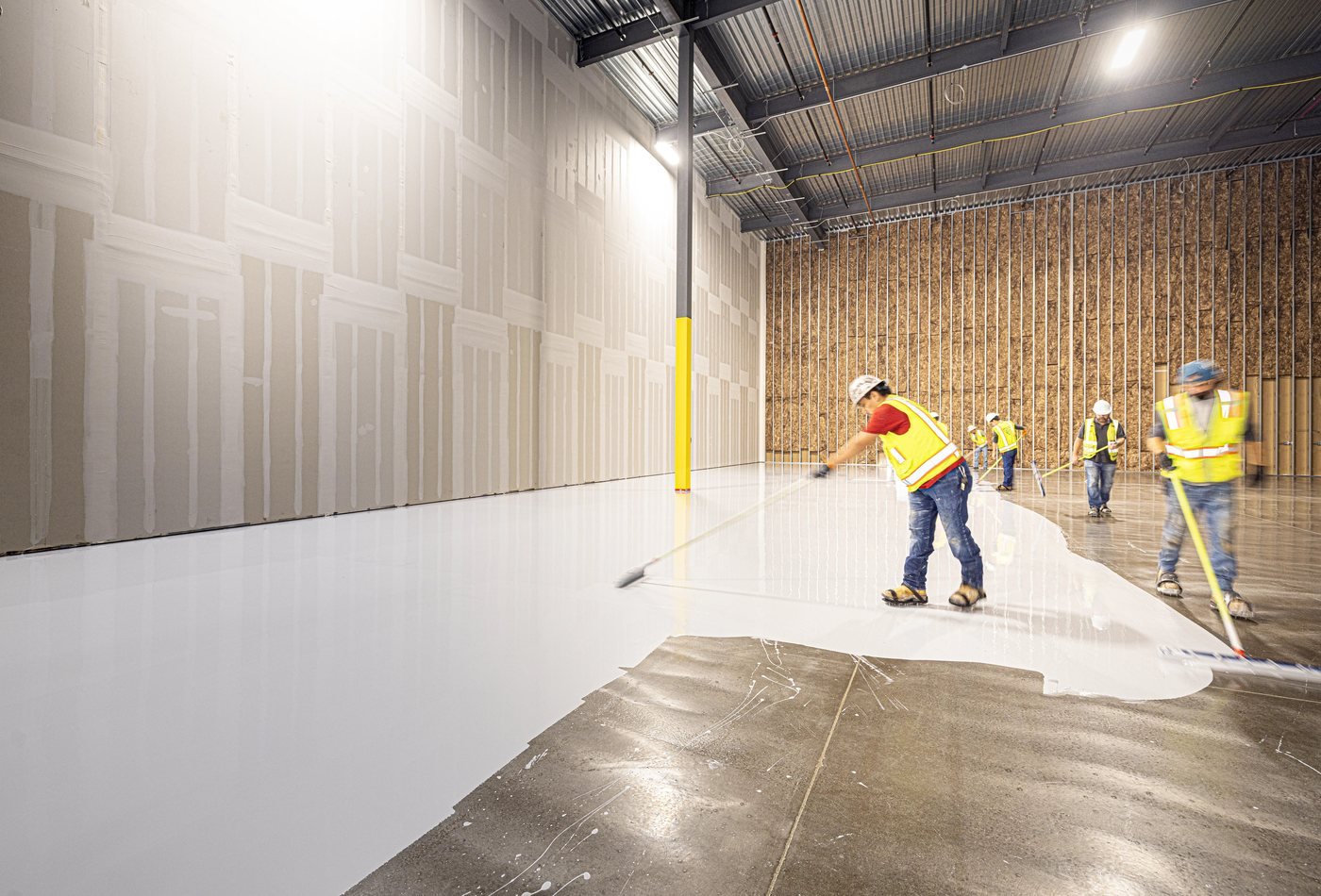
A crew may complete grinding, repairs, base coat, flake broadcast, scraping, and topcoat in one working day. That does not always mean vehicles can return that evening. Foot traffic, light storage, and vehicle traffic may each have different cure requirements.
Ask for the schedule in hours from the final coat and identify who is responsible if weather or temperature changes. Marketing language should never replace the product data sheet.
Fast-curing chemistry makes compressed schedules possible
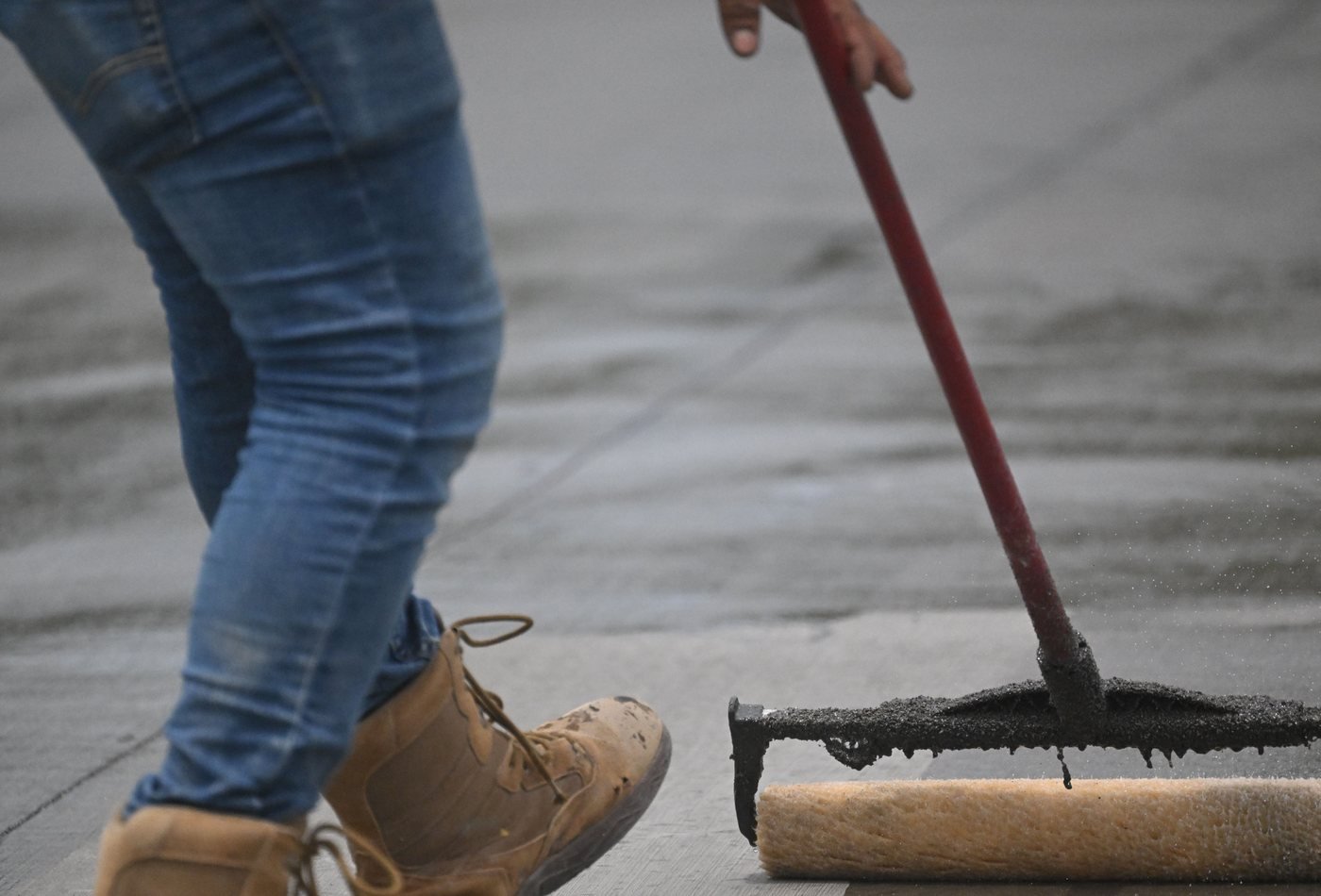
Polyurea and polyaspartic products can cure more rapidly than many conventional epoxies. Their short recoat windows can permit several layers in one day, but they also reduce working time and require organized mixing, broadcasting, and rolling.
Fast cure places more responsibility on crew size and execution. A product that begins setting quickly may leave less time to correct uneven flake, roller marks, missed edges, or material shortages.
Two-day systems may use epoxy for bond or build
Epoxy can provide strong adhesion, wetting, and film build on properly prepared concrete. Some systems use an epoxy primer or body coat, allow it to cure, and apply a urethane or polyaspartic topcoat later for abrasion or UV performance.
That approach is not inherently superior, but it illustrates why chemistry matters more than the number of days. A hybrid system can use each material where its properties are most useful.
Surface preparation should not be shortened to meet a promise
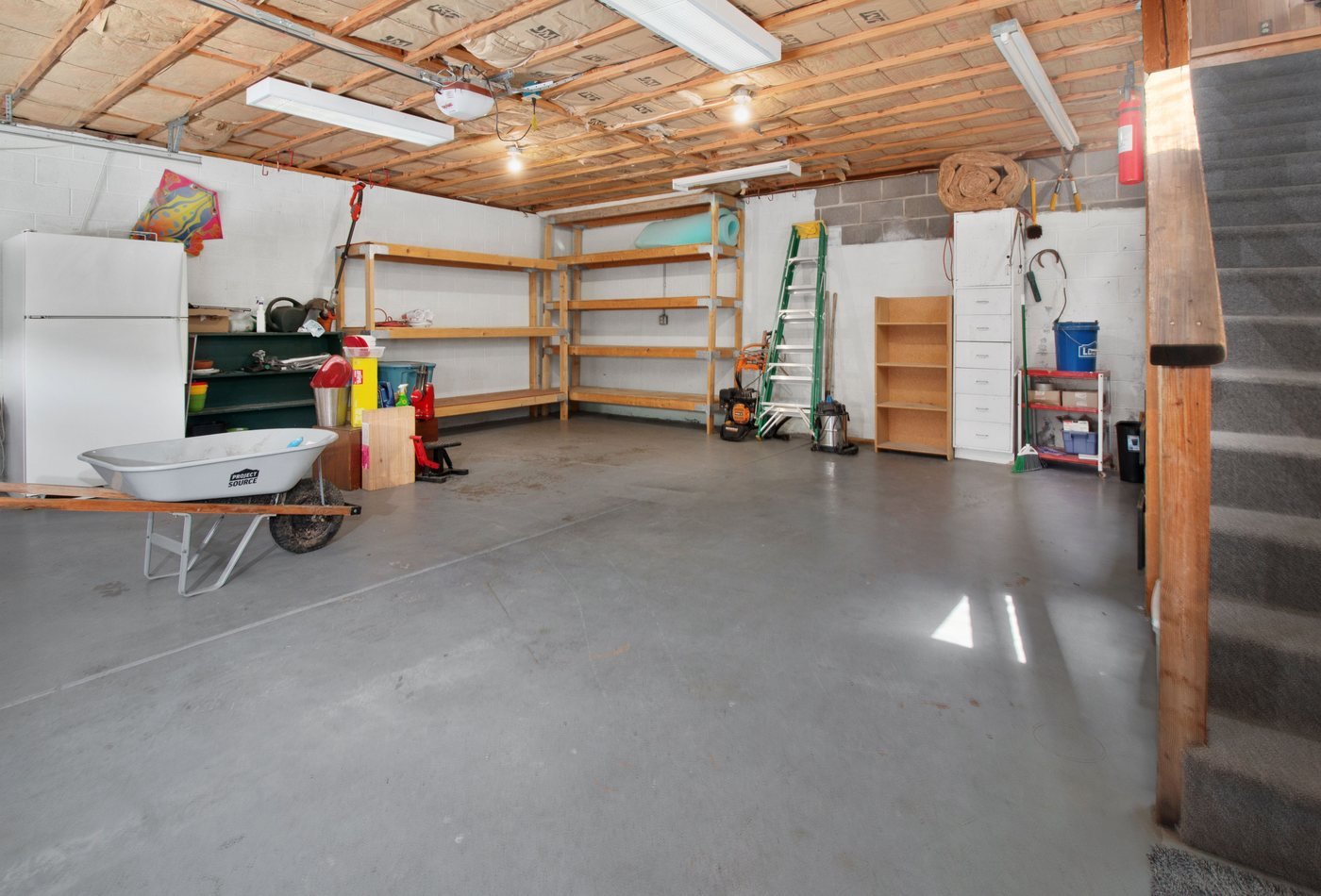
Grinding, edge work, vacuuming, contamination removal, crack repair, and moisture evaluation take the time they take. If the crew discovers multiple old coatings, oil saturation, or weak concrete, forcing the job into a predetermined one-day window can create risk.
A responsible contract should allow the schedule to change when hidden conditions are found. The contractor should explain whether additional preparation moves topcoat installation to another day.
Repairs can control the timeline
Fast-setting repair materials can be coated quickly, but they must be appropriate for the crack depth, movement, temperature, and resin system. Deep patches, widespread spalling, or cementitious resurfacing may require more time.
Ask whether repair cure is included in the advertised schedule and what happens if preparation reveals more damage. A one-day floor with rushed or incompatible patches is not a bargain.
Moisture and slab conditions do not conform to a sales calendar
If testing identifies moisture above the standard system’s limits, a mitigation layer or different product may be needed. That can change the sequence and cure time. Outdoor slabs and newer concrete may present additional moisture questions.
A contractor should not skip testing or dismiss visible moisture because the job was sold as a one-day installation. The slab remains the foundation regardless of marketing.
Weather affects both one-day and multi-day projects
Temperature, humidity, dew point, rain, and slab temperature can change pot life and cure. In Florida, fast products may become even faster in a hot garage, while condensation risk can develop when a cooler slab meets humid air.
Multi-day jobs have more exposure to weather changes, but one-day jobs have less margin for delays. Both require measurement, product-specific limits, and a contingency plan.
The number of layers should be documented
A one-day system may include several layers, while a two-day proposal may include only one body coat and one topcoat. Conversely, a longer schedule may reflect a more complex primer, repair, broadcast, grout, and wear-coat system.
Ask for a written layer-by-layer specification with product names and coverage rates. That makes quotes comparable and reveals whether the schedule is driven by quality, product chemistry, or convenience.
Return-to-service speed has real value for some households
Fast installation can be valuable when vehicles cannot remain outside for long, a commercial space has limited downtime, or the garage is the primary entrance to the home. That convenience may justify a fast-curing system when the slab is a good candidate.
Other homeowners may prefer a slower schedule if it allows more repair work, a particular color system, or a product they trust. The best schedule is the one that meets both performance and practical needs.

Quality-control questions reveal more than the advertised duration
Ask how many crew members will be present, how batches are timed, how square footage is divided, how flake is scraped and vacuumed, and how missed areas are corrected. Fast systems need disciplined logistics.
Also ask what happens if the project cannot be completed in one day. A professional answer should describe approved recoat preparation and communication, not pressure to install outside product limits.
Choose the system, then accept the schedule it requires
Start with slab condition, intended use, indoor or outdoor exposure, desired appearance, and warranty. Once the right system is selected, the manufacturer’s application and cure requirements determine the realistic schedule.
For St. Augustine garages, include humidity, warm slab temperatures, wet-weather access, and outside parking in the plan. A clear timeline reduces the temptation to return vehicles early.
Project checklist
Compare these details instead of only comparing days
- Preparation method and targeted concrete surface profile
- Crack, pit, joint, contamination, and moisture scope
- Exact primer, base coat, flake, grout coat, and topcoat products
- Coverage rate and intended thickness of every layer
- Minimum and maximum recoat windows
- Foot-traffic, storage, and vehicle-return times
- Weather-delay and unforeseen-repair procedures
Frequently asked questions
Questions homeowners often ask
Is a one-day garage floor coating lower quality?
Not necessarily. Fast-curing professional systems can perform well when the slab is suitable and the crew follows the required preparation and cure process.
Can I park on a one-day floor the same day?
Usually not unless the specific product documentation says so. Installation completion and vehicle-ready cure are different milestones.
Why would a contractor need two or three days?
Repairs, moisture mitigation, epoxy cure, weather, multiple topcoats, or a more complex system may require additional time.
What is the biggest risk of a rushed one-day job?
Compressing preparation, repair, mixing, or recoat windows to meet a marketing promise can compromise bond and finish quality.
Technical references and further reading
Product data sheets and the coating manufacturer’s current instructions control the final installation. These sources provide useful background for comparing proposals.