Quick answer
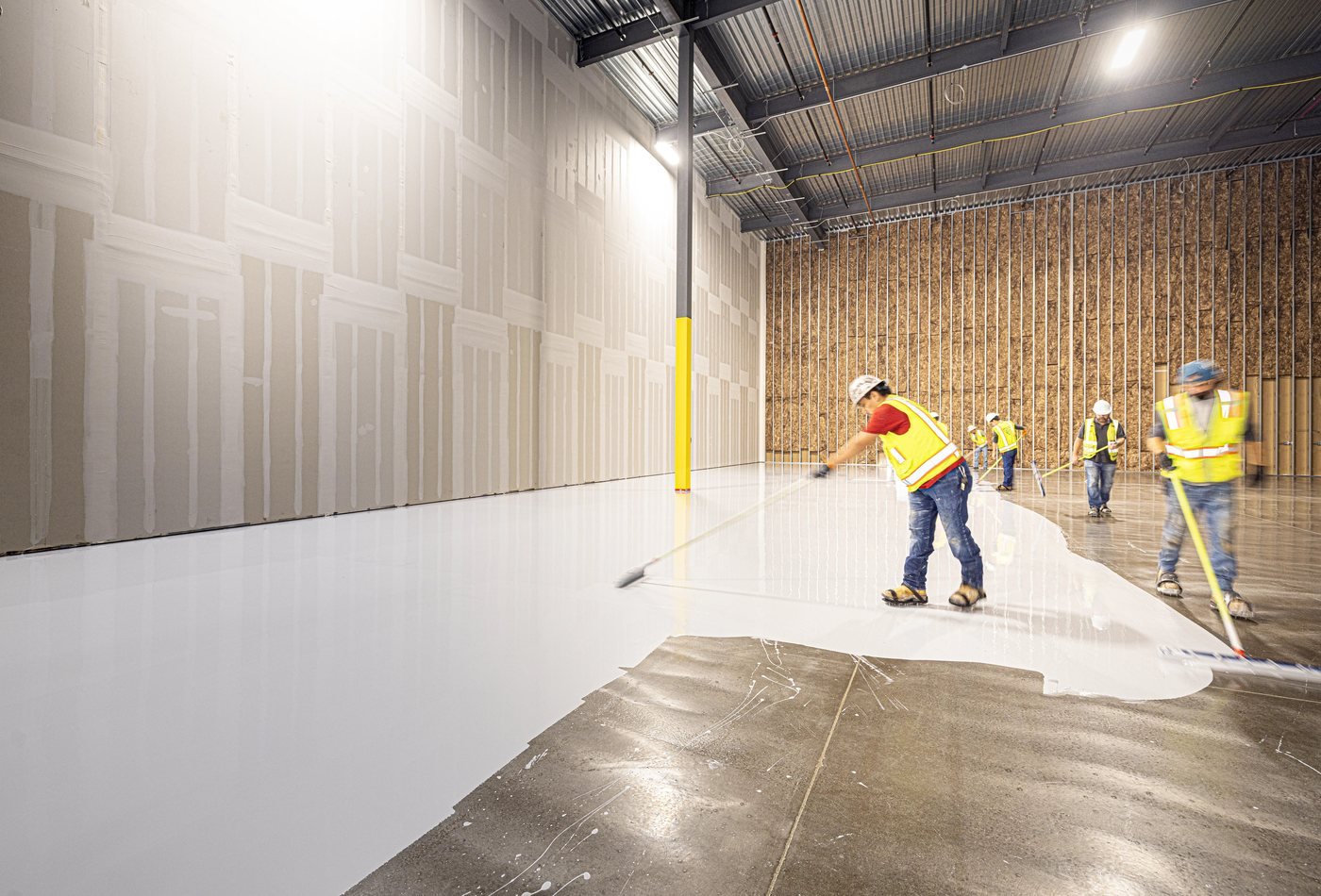
A professional garage floor is more than a colored liquid rolled over concrete. It is a coordinated assembly that begins with inspection, continues through preparation and repair, and ends with documented cure and maintenance instructions. Each step supports the next one.
A professional system is a sequence of evaluated steps
A professional garage floor is more than a colored liquid rolled over concrete. It is a coordinated assembly that begins with inspection, continues through preparation and repair, and ends with documented cure and maintenance instructions. Each step supports the next one.
Two contractors may use similar words while proposing very different systems. A detailed scope should identify the work and products clearly enough that the homeowner can compare the proposals line by line.
The project should begin with a site and slab evaluation
The contractor should inspect square footage, concrete age, cracks, joints, pitting, spalling, oil, paint, sealer, moisture signs, drainage, sunlight, and how the garage is used. The evaluation should also cover access, storage, electrical needs, and protection of walls and doors.
Photos and measurements help, but they do not always reveal hidden coatings or weak concrete. The proposal should explain how discoveries made during grinding will be handled.
The floor must be cleared and the work area protected
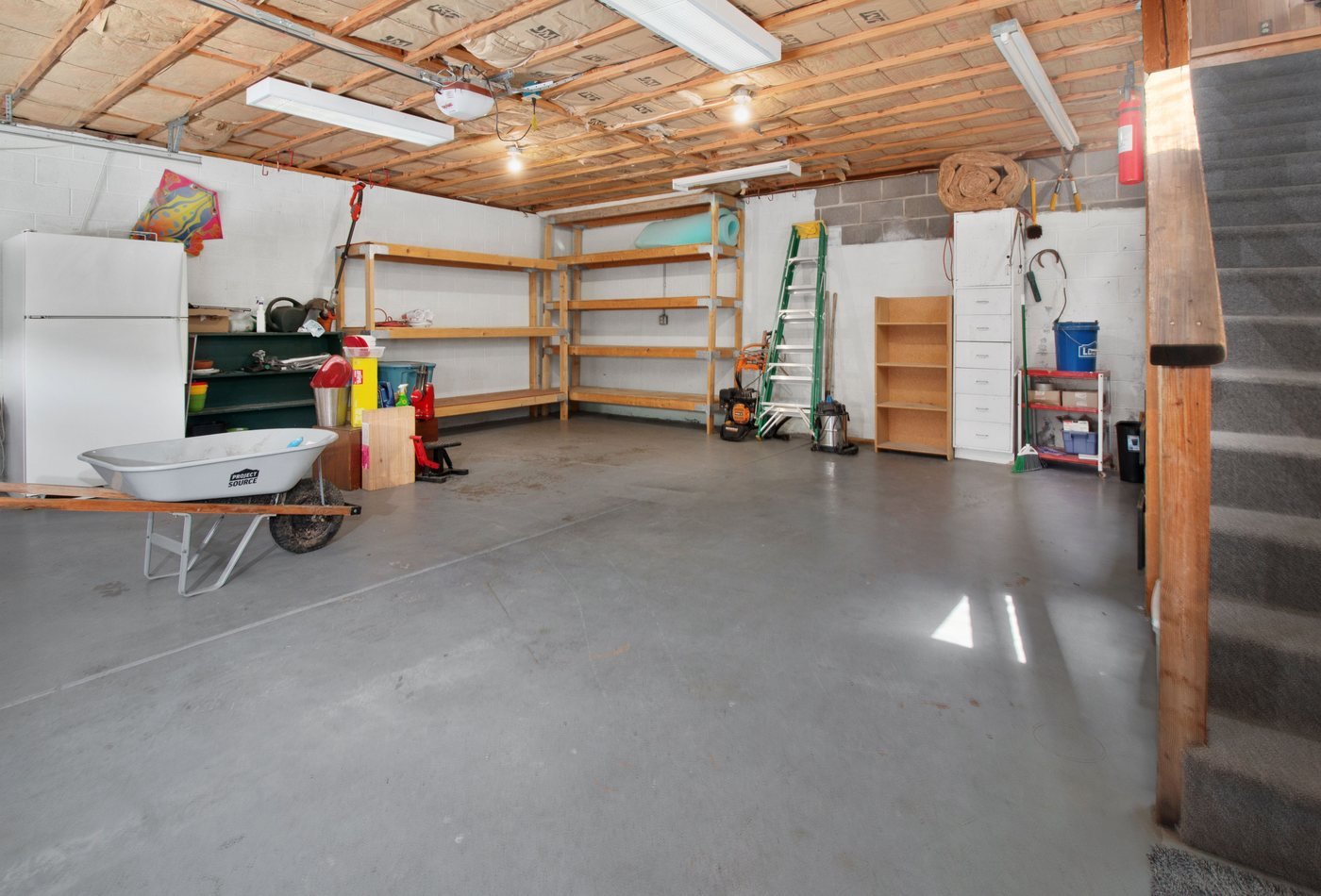
Cabinets, appliances, stored items, and vehicles need to be moved according to the contract. The crew should protect baseboards, walls, thresholds, door tracks, drains, and adjacent driveways from dust and resin.
Confirm whether our crew moves heavy objects and who is responsible for reconnecting appliances. Unclear access responsibilities can delay the start and cure schedule.
Mechanical preparation creates the bonding surface
Diamond grinding or shot blasting is commonly used to remove weak paste, old coatings, sealers, and contaminants while producing a profile suited to the resin. Hand grinders address perimeter edges and corners.
The equipment should be paired with effective vacuum collection. Preparation is not complete until the floor is sound, clean, dry, and free of dust that could become a bond breaker.
Contamination is treated before the decorative layer
Oil, silicone tire dressing, grease, rust, adhesive, and chemical residues may require repeated cleaning or localized removal. Grinding alone can spread some contaminants if the floor is not degreased first.
A professional should identify suspect tire paths and workshop areas. Deep contamination may require a special primer, patch, or exclusion from the warranty.
Cracks, pits, and weak concrete are repaired with compatible materials
Repairs should be selected for the depth, movement, cure time, moisture, and coating chemistry. Cracks may be routed and filled, pits patched, and spalled areas removed to sound concrete. Repairs are then ground flush or profiled as required.
Control and expansion joints need their own detail. The proposal should not describe every line in the slab simply as a crack to be filled.
Moisture evaluation may determine the primer or whether work proceeds
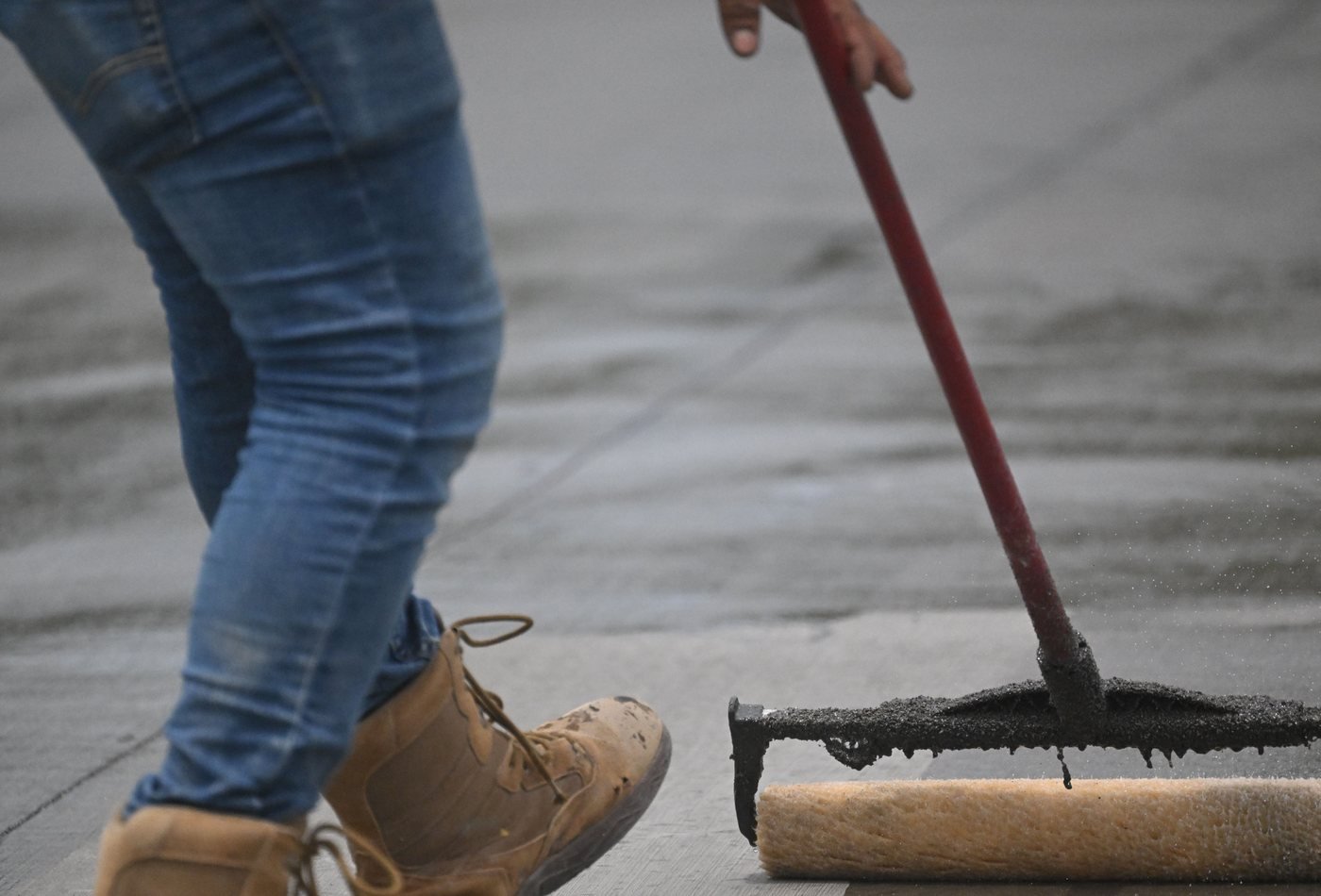
The contractor should look for dampness, efflorescence, prior blistering, and drainage problems. Formal moisture testing may be appropriate on new concrete, suspicious slabs, or floors with a failure history.
If results exceed the proposed system’s limit, the options may include mitigation, additional drying, drainage correction, another product, or postponement. Coating over a known risk without a plan is not professional system design.
A primer may improve wetting, bond, or moisture performance
Some systems use a dedicated primer; others use the pigmented base coat directly on prepared concrete. The decision depends on porosity, product design, moisture condition, and desired film build.
Ask what the primer is intended to do and whether it is included in the warranty. The word “primer” alone does not explain its chemistry or moisture limits.
The base or body coat provides color, build, and the flake broadcast bed
The pigmented base coat is applied at a specified coverage rate. Decorative flakes may be scattered lightly, broadcast heavily, or applied to refusal for a full-flake system. Timing matters because the chips must embed while the resin remains receptive.
The crew should maintain a wet edge and consistent material thickness. Hot conditions shorten working time, so batch size and manpower need to be planned.
Full-flake systems require scraping and vacuuming
After the broadcast layer cures, excess flakes are scraped to remove sharp edges and create a consistent texture. Loose material is then vacuumed before the clear coat. The scraping direction and thoroughness affect final smoothness.
Some systems add a clear grout coat before the final wear coat. The proposal should identify how many clear layers are included and whether anti-slip aggregate is added.
The topcoat is the primary wear and exposure surface
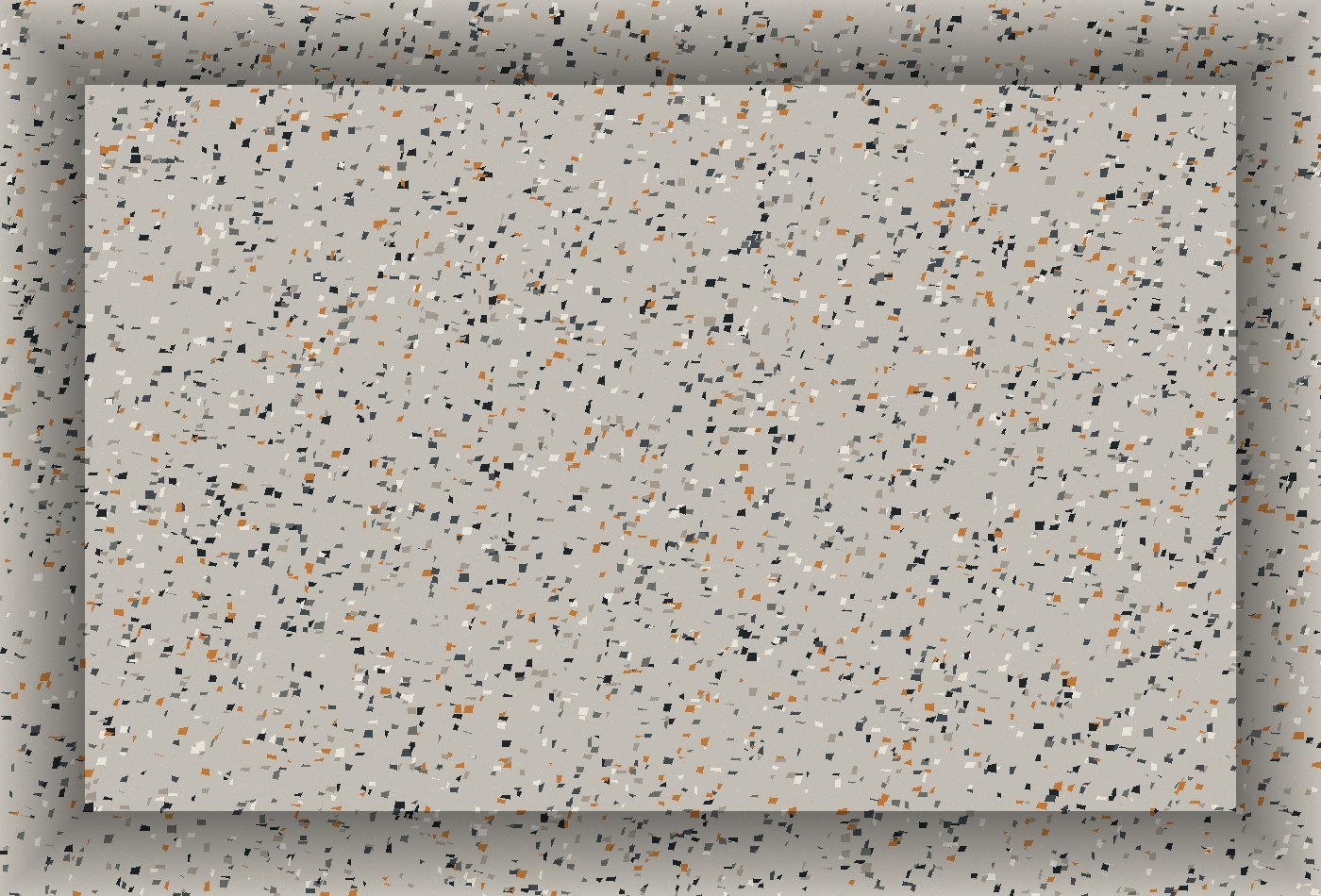
A clear polyaspartic, polyurethane, epoxy, or other topcoat protects the decorative layer and provides much of the abrasion, chemical, gloss, UV, and cleaning performance. Its thickness and formulation matter.
For patios or sunlit garage entrances, UV stability should be addressed. For wet areas, texture should be balanced with cleanability rather than added as an afterthought.
Cure, inspection, cleanup, and documentation complete the system
The installer should provide separate times for foot traffic, storage, vehicle traffic, water exposure, and full chemical cure. The floor should be inspected for coverage, debris, bubbles, missed edges, and sharp flakes before handoff.
The homeowner should receive cleaning instructions, product or system names, warranty terms, final photos, and contact information for service. A professional system includes what happens after the crew leaves.
Project checklist
What a detailed professional proposal should show
- Measured square footage and areas included or excluded
- Preparation equipment, target profile, and edge work
- Crack, joint, pit, contamination, and moisture scope
- Exact primer, base, flake, grout, topcoat, and texture layers
- Coverage rates, colors, and vertical surfaces
- Foot, storage, vehicle, water, and full-cure schedules
- Cleanup, maintenance, warranty, and claim procedures
Frequently asked questions
Questions homeowners often ask
How many coats should a professional garage floor have?
There is no universal number. A system may include primer, base, flake, grout, and topcoat, while another uses fewer layers designed to work together. The layer purpose and specifications matter.
Is grinding always included?
Many professional systems use mechanical preparation, but the exact method depends on the product and slab. The proposal should state it clearly.
Should the contractor name the products?
Yes. Product or system names help verify compatibility, coverage, cure, moisture limits, and warranty terms.
Does a full-flake floor need a clear topcoat?
Yes, the flake layer normally needs one or more clear coats to lock it in, provide wear resistance, and create the desired texture and gloss.
Technical references and further reading
Product data sheets and the coating manufacturer’s current instructions control the final installation. These sources provide useful background for comparing proposals.