
Quick answer
Hot-tire pickup describes coating that softens, sticks to a warm tire, or loses adhesion when the vehicle is parked. The damage often appears as curved patches, rectangles, or lifted edges in the exact tire contact areas. The coating may transfer to the tire or remain partly attached to weak concrete beneath it.
Hot-tire pickup is a localized coating failure where parked tires rest
Hot-tire pickup describes coating that softens, sticks to a warm tire, or loses adhesion when the vehicle is parked. The damage often appears as curved patches, rectangles, or lifted edges in the exact tire contact areas. The coating may transfer to the tire or remain partly attached to weak concrete beneath it.
The phrase is often used broadly, so diagnosis still matters. A patch under a tire can also result from oil contamination, silicone tire dressing, inadequate surface preparation, moisture, early vehicle return, or an under-cured coating. The location is a clue, not proof of a single cause.
Tires become hot and chemically active during driving
As a vehicle travels, tires flex and build heat. Warm rubber can place concentrated pressure on the floor, and plasticizers or other compounds at the tire surface may interact with coatings that are not designed or fully cured for garage use. Florida pavement temperatures can make this effect more noticeable.
The problem is most likely when the coating is paint-like, thin, under-cured, or weakly bonded. A professional garage system should be selected and installed with parked vehicle loads in mind, rather than treated like an ordinary wall paint.
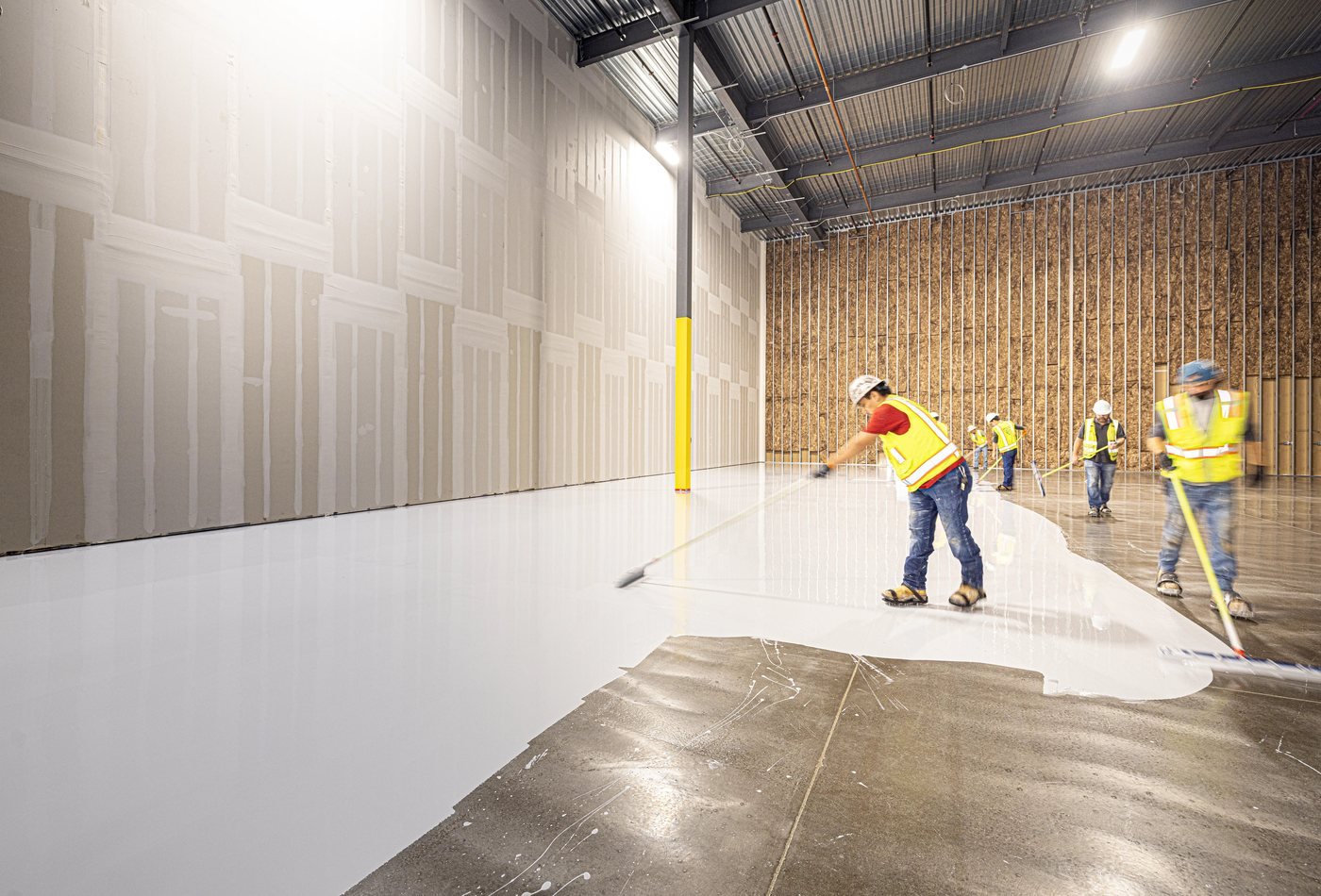
The bond to concrete is the first line of defense
A coating can have excellent heat and chemical properties yet still lift if it is bonded to dust, weak laitance, old paint, or smooth concrete. Warm tires add stress at a small contact area and can reveal the weakest point in the installation.
Mechanical grinding or shot blasting is commonly used to remove weak material and create the profile required by the system. Tire paths also deserve extra cleaning because they may contain embedded rubber, road film, oil, and silicone products.
Product chemistry and complete-system design matter
Not every product labeled epoxy, polyurea, or polyaspartic has the same hot-tire performance. Resin formulation, solids content, film thickness, cure, primer, and topcoat all influence the finished floor. Consumer product claims and professional system specifications should be read in context.
Ask which layer is intended to resist tire contact and whether the manufacturer publishes a garage or vehicle-use recommendation. A system that combines a well-bonded base with an abrasion-resistant topcoat may perform differently from a single thin coat of the same broad chemistry.
Returning vehicles too early can damage an otherwise suitable coating
A floor may feel dry enough to walk on before it has developed the properties needed for vehicle traffic. Cure time is affected by product, film thickness, temperature, humidity, and the sequence of layers. The written drive-on time should be treated as a minimum, not a suggestion.
Moving a vehicle in early can leave tire marks, dents, gloss changes, or adhesion damage. Homeowners should plan outside parking and avoid heavy storage, floor jacks, kickstands, and turning tires until the installer confirms the return-to-service schedule.
Mixing and film thickness affect hardness and resistance
Two-component coatings must be mixed at the correct ratio and used within their working time. Incomplete mixing can leave soft areas that are especially vulnerable under tires. Splitting kits inaccurately or scraping unmixed material from the sides of a bucket can create localized cure problems.
Stretching material too far produces a thin film, while excessive thickness can trap air or cure unevenly. Contractors should calculate coverage by measured square footage and apply each layer within the manufacturer’s specified range.
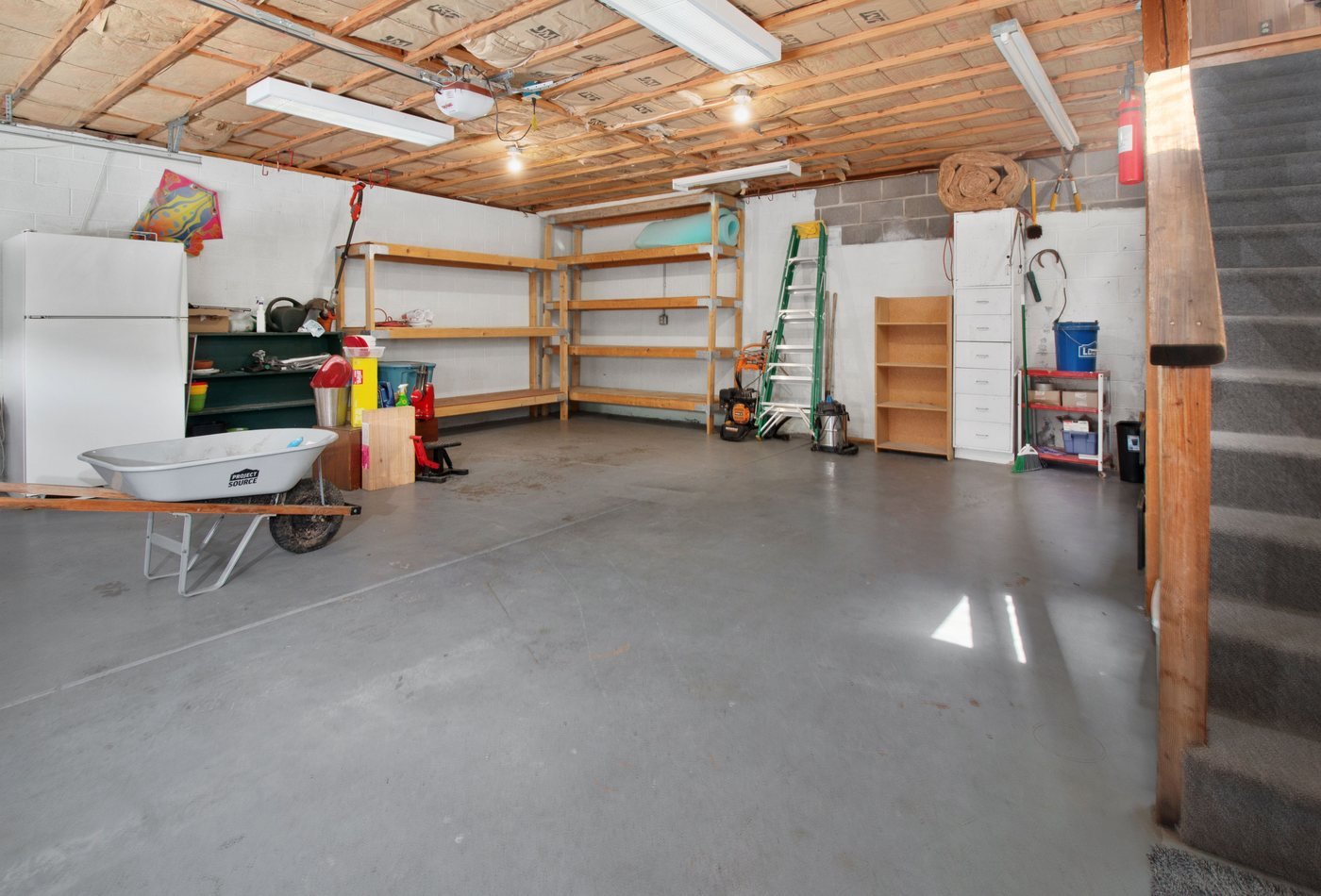
Tire dressings and garage contaminants can imitate hot-tire failure
Silicone-rich tire shine, cleaners, oils, and road residues can transfer to concrete before coating or to the finished floor afterward. Before installation, contaminated tire paths may need aggressive cleaning and deeper grinding. After installation, repeated chemical exposure can affect appearance or traction.
If a failure occurs under only one vehicle or one set of tires, document the tire products used and the parking pattern. That information may help distinguish chemistry interaction from a broader adhesion problem.
Mats can help in some situations but can also create new issues
Parking mats can catch water, oil, and debris, but some rubber or vinyl backings may discolor or react with a coating. Moisture can also remain trapped beneath a non-breathable mat, especially in humid garages or after wet-weather driving.
Before using a mat, ask the coating manufacturer or installer whether the material is compatible. Lift and clean beneath it regularly, and do not place a mat on a floor that has not reached full cure.
Hot-tire pickup is different from ordinary tire staining
Dark rubber marks on the surface may be removable staining rather than coating failure. Cleaning with a product approved for the floor can help determine whether the coating remains intact. Avoid aggressive solvents until compatibility is confirmed.
Actual pickup usually involves softening, tearing, peeling, or transfer of the coating. Photograph the area before cleaning, note how long the floor had cured, and retain any loose chip for inspection.
Repair requires correcting the weak layer
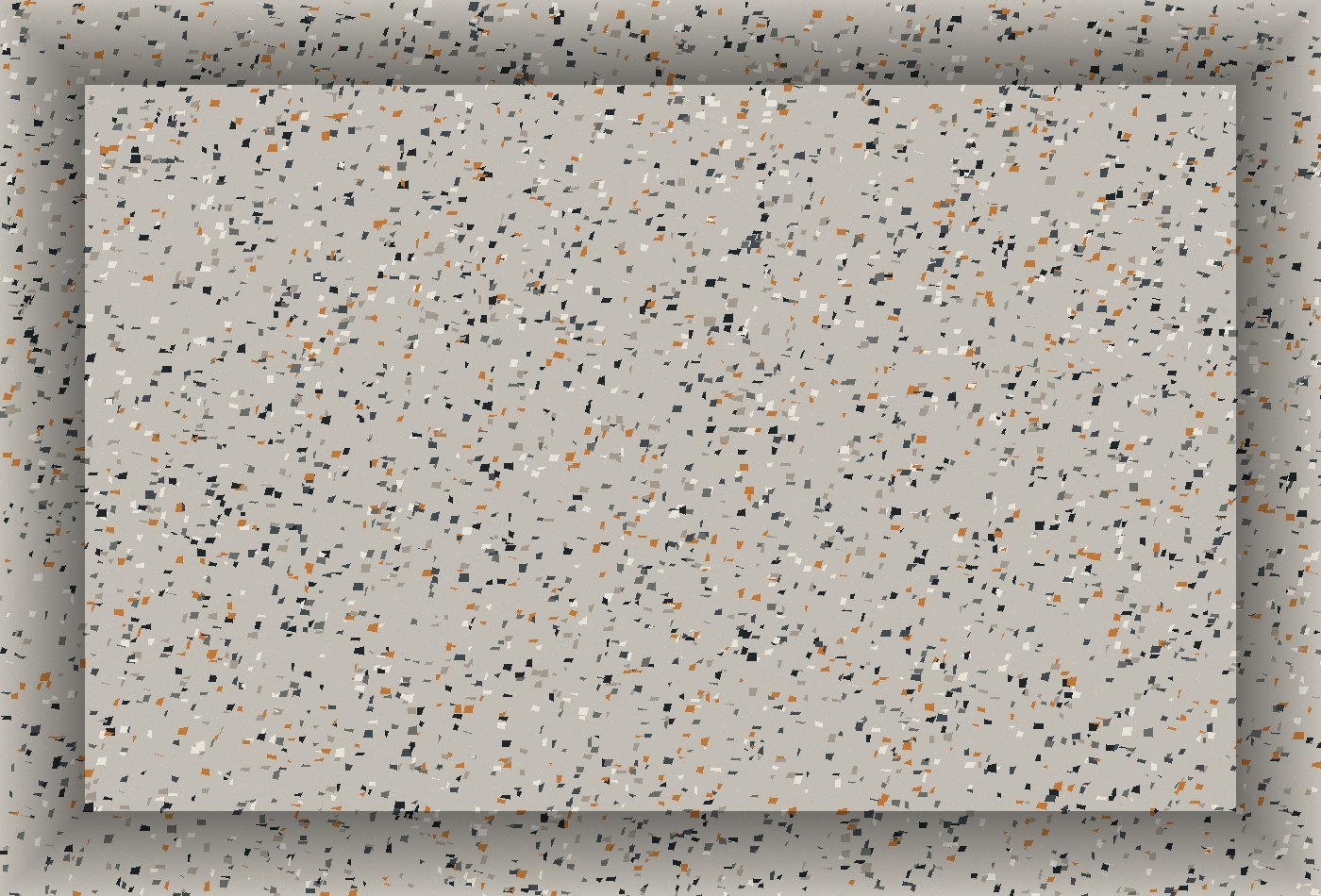
A small damaged area may be cut back to well-bonded edges, re-profiled, repaired, and recoated. The challenge is matching color and flake while ensuring the surrounding coating is sound. If multiple tire paths fail, broader removal may be necessary.
Rolling a clear coat over lifted material does not restore adhesion. The repair plan should identify whether failure occurred at the concrete, within an old coating, between layers, or inside uncured material.
Florida heat makes the cure schedule especially important
St. Augustine vehicles may arrive with very warm tires after highway or summer driving. Garages can also remain hot and humid during installation. Those conditions affect pot life, recoat timing, cure, and the stress placed on the finished surface.
Ask the installer how jobsite temperature is measured and when vehicles can safely return. Following the most conservative written schedule is inexpensive protection compared with repairing four damaged tire spots.
The best prevention is a system designed for real garage use
Choose a contractor who describes surface preparation, contamination removal, product layers, coverage, cure conditions, and vehicle return in writing. Hot-tire resistance should be part of the system specification rather than a vague sales phrase.
Homeowners can help by clearing the garage, disclosing tire products and spills, allowing full cure, and cleaning the floor with compatible products. Those steps reduce preventable stress on the coating.
Project checklist
Hot-tire questions to include in the estimate
- Is the complete system approved for parked vehicle traffic?
- How will tire paths and silicone contamination be prepared?
- Which layer provides heat, abrasion, and chemical resistance?
- What is the minimum written drive-on time for current conditions?
- Are rubber or vinyl parking mats compatible with the coating?
- What does the warranty say about hot-tire pickup?
- How would an isolated tire-area repair be handled?
Frequently asked questions
Questions homeowners often ask
How soon can I park on a newly coated garage floor?
Use the installer’s written vehicle-return time for the exact products and conditions. A floor can feel dry before it is ready for warm tires and concentrated vehicle loads.
Does polyaspartic prevent hot-tire pickup?
A properly selected and cured polyaspartic system can offer strong garage performance, but chemistry alone does not overcome poor preparation, contamination, thin film, or early vehicle return.
Are black tire marks the same as hot-tire pickup?
No. Surface staining may clean off while pickup involves softening, transfer, peeling, or loss of adhesion.
Can hot-tire damage be touched up?
Small areas may be repairable after the failure is diagnosed and removed to sound material. Color and flake matching can be challenging.
Technical references and further reading
Product data sheets and the coating manufacturer’s current instructions control the final installation. These sources provide useful background for comparing proposals.