Quick answer
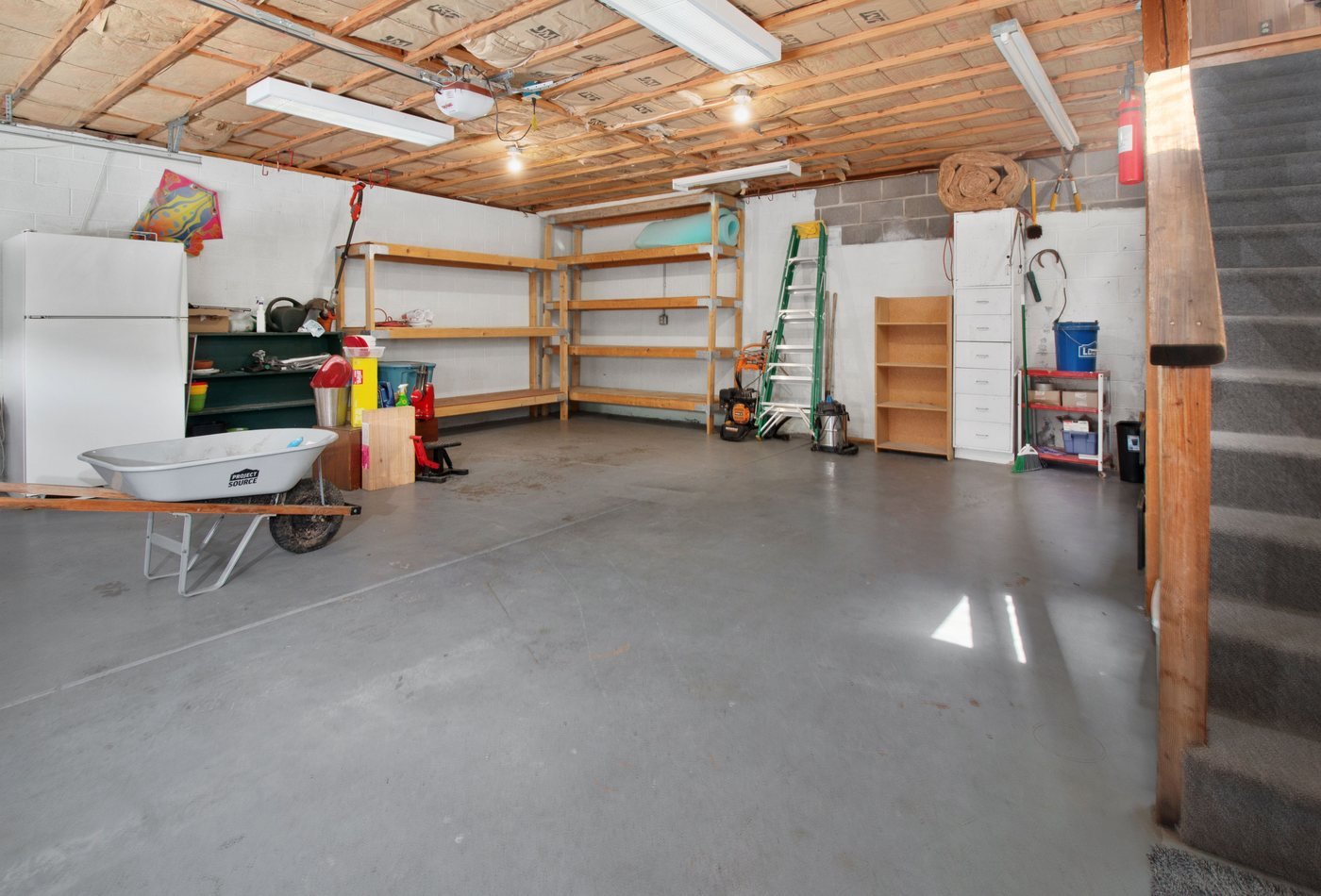
Garage floors can contain control joints, construction joints, expansion or isolation joints, saw cuts, cold joints, and unplanned cracks. They may look similar after years of dirt, but their purpose and movement are different.
Not every line in a concrete slab is the same
Garage floors can contain control joints, construction joints, expansion or isolation joints, saw cuts, cold joints, and unplanned cracks. They may look similar after years of dirt, but their purpose and movement are different.
The coating detail should follow the joint function. Treating every line as a cosmetic crack to be buried can lead to reflective cracking or torn coating.
Control joints are intended to manage shrinkage cracking
A control joint creates a weakened plane so shrinkage cracking is more likely to occur along a planned line. The concrete may still move slightly at that location. Some residential coating systems fill the joint flush for a seamless appearance.
If the joint is filled, the material and coating must be selected with the expected movement in mind. The warranty should explain what happens if the crack reflects through later.
Expansion and isolation joints are designed for movement
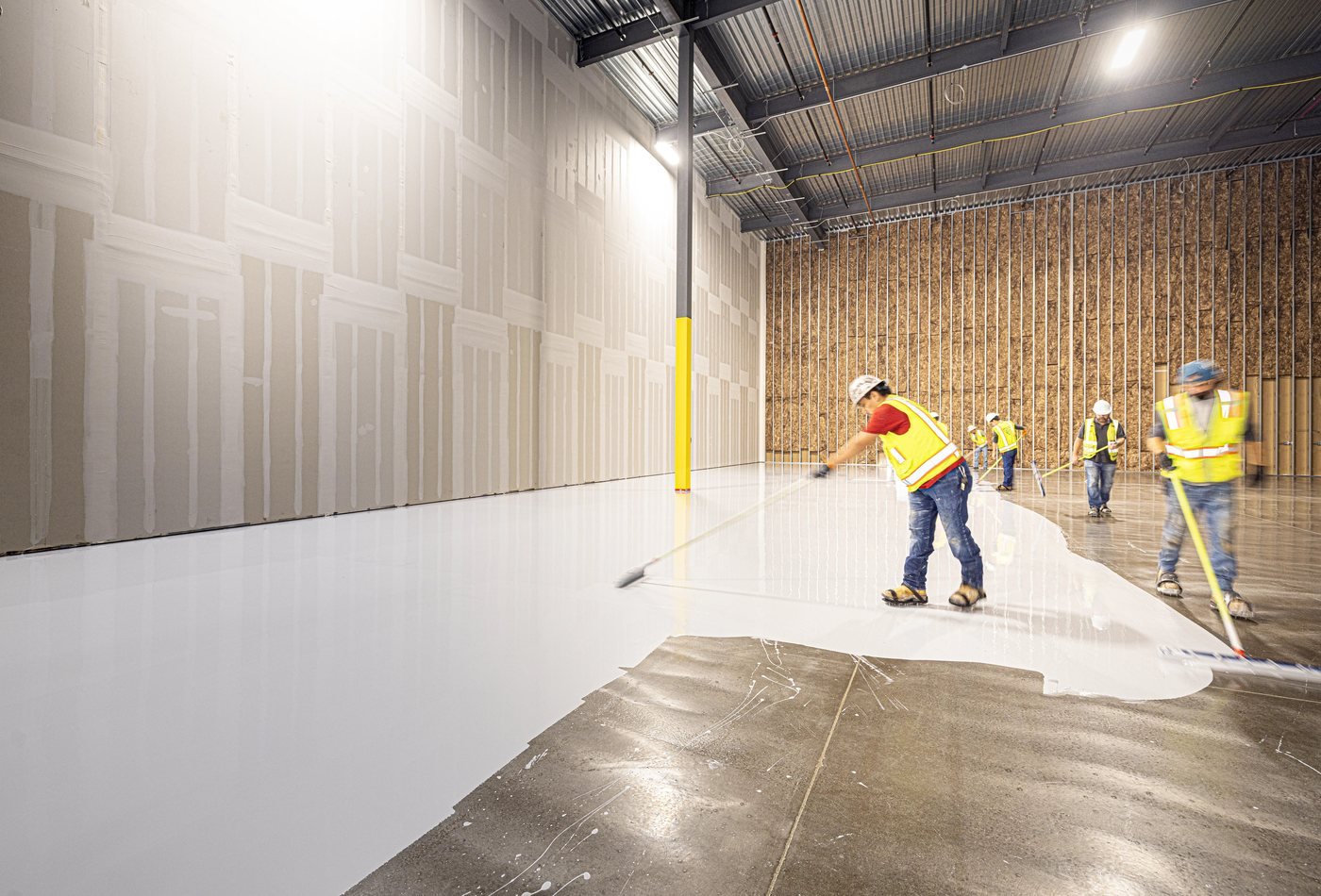
Expansion joints separate slab sections or isolate the slab from walls, columns, and other structures. They are meant to accommodate more movement than a typical control joint. Bridging them with a rigid coating can cause tearing or buckling.
These joints often need a flexible sealant or specialized joint system and may remain visible. The correct detail depends on joint width, traffic, exposure, and manufacturer recommendations.
Construction joints mark separate concrete placements
A construction joint occurs where one concrete placement stops and another begins. It may behave like a control joint or show differential movement, depending on load transfer and slab construction.
The contractor should inspect alignment, edge condition, and past cracking before deciding whether to fill, bridge, or leave it defined.
Filling a joint can improve appearance and rolling traffic
A flush joint creates a more continuous look and can reduce debris collection. It can also make rolling cabinets, carts, and creepers move more smoothly across the floor.
In commercial settings, semi-rigid fillers are often used to support joint edges under hard wheels. Residential decorative systems may use different materials and should not copy an industrial detail without considering movement.
Flexible sealants preserve movement but look different
Elastomeric sealants can stretch and compress as a joint moves. They may be installed after coating and can create a visible line with a different texture or gloss than the floor.
Color-matched or complementary sealants can make the joint intentional. The key is accepting that a movement joint may not disappear completely.
Coating across a joint can create a clean look with added risk
Some installers fill a control joint, grind it flush, and coat across it. On stable residential slabs, the appearance can be attractive. If the joint moves, a fine line or crack may return through the finish.
Homeowners should understand whether this outcome is considered normal slab movement or a warranty failure. The choice is partly aesthetic and partly risk tolerance.
Decorative flake can help integrate joint details
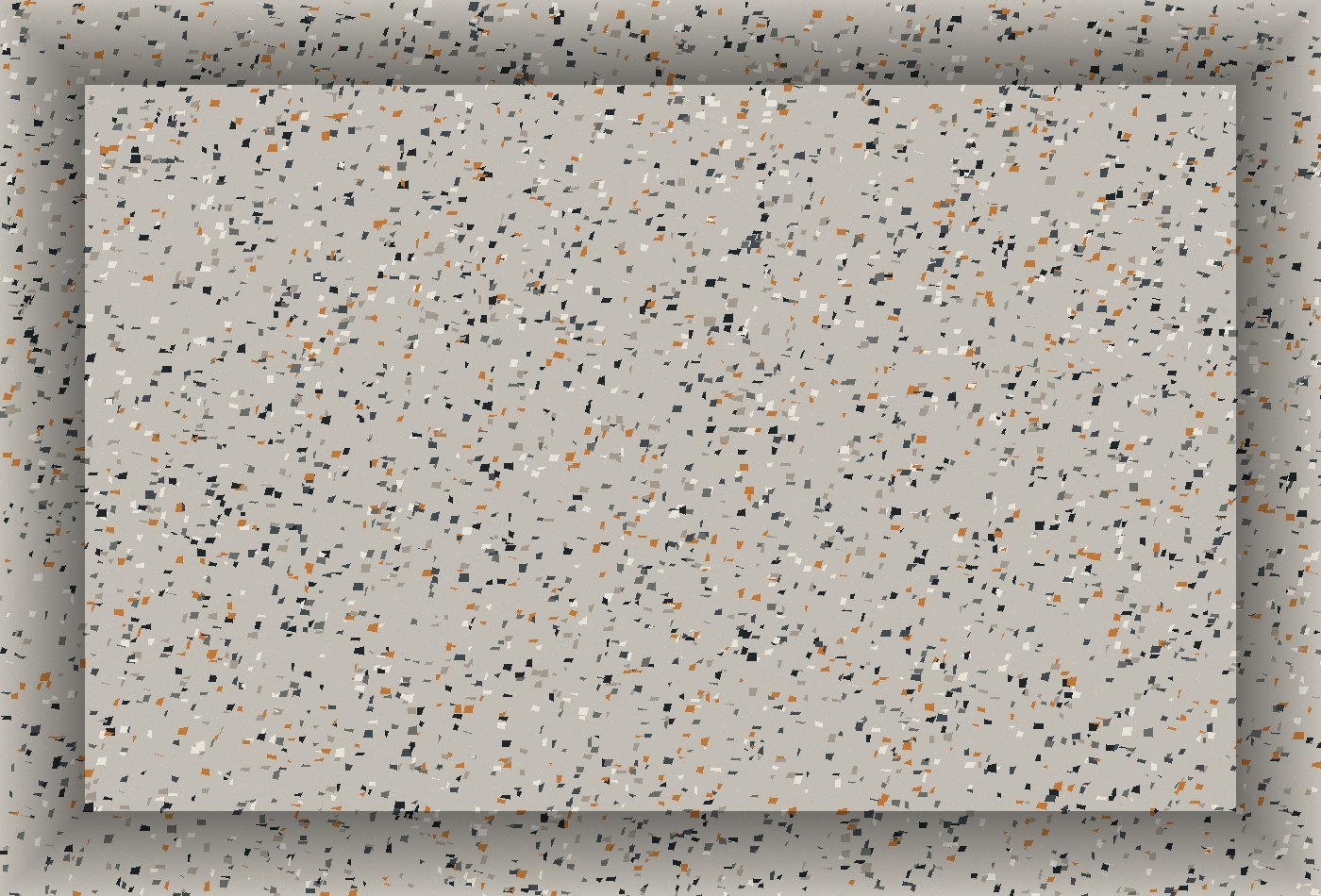
Full-flake broadcast reduces the contrast between patch materials and the surrounding floor. A filled control joint can become less noticeable, while a flexible joint can be cut cleanly after the broadcast and sealed.
The flake pattern does not change the structural purpose of the joint. Layout and masking should be planned before coating.
Damaged joint edges need repair before finishing
Spalled edges and broken corners can worsen under wheels and vehicle loads. Loose concrete should be removed and rebuilt with an appropriate repair material before the joint is filled or sealed.
The repair should support the edge without locking a movement joint rigidly unless the design calls for it. Specialized floor-joint products may be needed for severe damage.
Garage door thresholds and slab transitions deserve special attention
The joint between garage slab and driveway sees sunlight, water, dirt, tire impact, and movement. Coating may terminate at a saw cut or threshold rather than continue onto exterior concrete.
Ask how the edge will be cut, sealed, or protected and whether the exterior side is part of the project. A clean termination reduces peeling at the doorway.

Joint treatment should be shown in the proposal
The contract should identify each major joint and state whether it will be cleaned, filled rigidly, filled semi-rigidly, sealed flexibly, coated across, or left open. Materials and warranty limitations should be named.
This detail is especially important when comparing prices. One contractor may include extensive joint work while another leaves all grooves visible.
There is no universal “best” visual choice
A seamless look may be a priority in a residential showroom-style garage, while preserving movement may be more important at an active expansion joint. The correct decision combines engineering function, product instructions, traffic, and appearance.
A professional should explain the tradeoff and avoid promising that concrete movement can be eliminated by decorative coating.
Project checklist
Joint details to settle before installation
- Which lines are control, expansion, construction, or unplanned cracks?
- Which joints have visible movement or damaged edges?
- Will each joint be filled, sealed, bridged, or left visible?
- What material will be used and is it compatible with the coating?
- How will the garage-door threshold and driveway transition be finished?
- Will the decorative flake cross the joint or stop at it?
- What future movement is excluded from the warranty?
Frequently asked questions
Questions homeowners often ask
Can you fill garage floor control joints before epoxy?
Often yes, using a compatible material and detail. Movement can still reflect through, so expectations and warranty terms should be clear.
Should expansion joints be coated over?
Usually they need to preserve movement and should not be rigidly bridged without an engineered or manufacturer-approved detail.
Why did a joint crack through my coating?
The slab likely moved at the planned joint. The coating may have been installed continuously across it, and rigid films cannot always accommodate movement.
Can decorative flake hide joints?
It can visually soften filled joints, but active movement joints usually remain part of the floor design.
Technical references and further reading
Product data sheets and the coating manufacturer’s current instructions control the final installation. These sources provide useful background for comparing proposals.