Quick answer
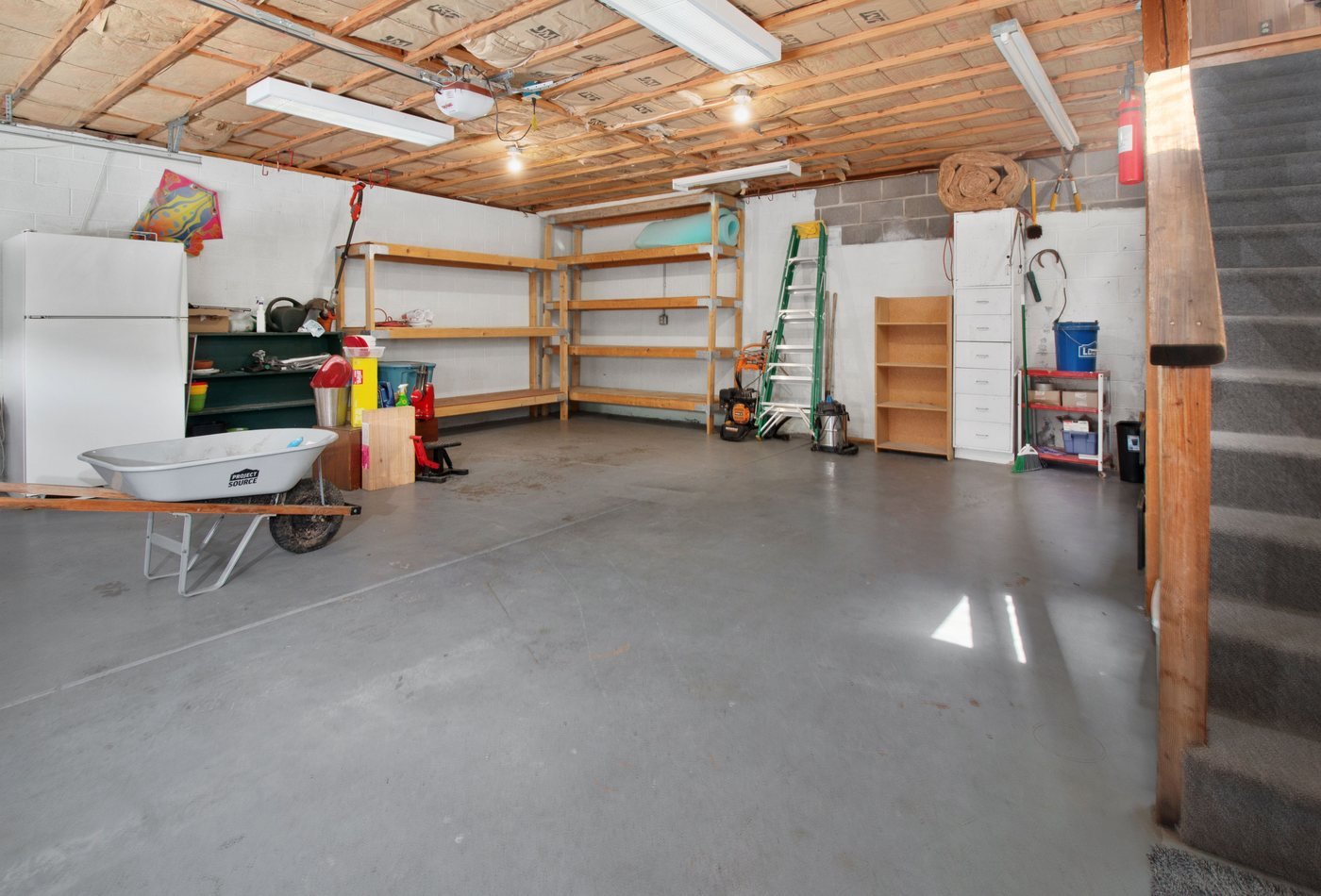
A resinous floor follows the shape of the slab beneath it. Decorative color and flakes can make a worn floor look dramatically more uniform, but a thin coating will not flatten raised panels, change drainage slope, or fill deep damage by itself.
Coatings improve appearance, but they are not magic leveling compounds
A resinous floor follows the shape of the slab beneath it. Decorative color and flakes can make a worn floor look dramatically more uniform, but a thin coating will not flatten raised panels, change drainage slope, or fill deep damage by itself.
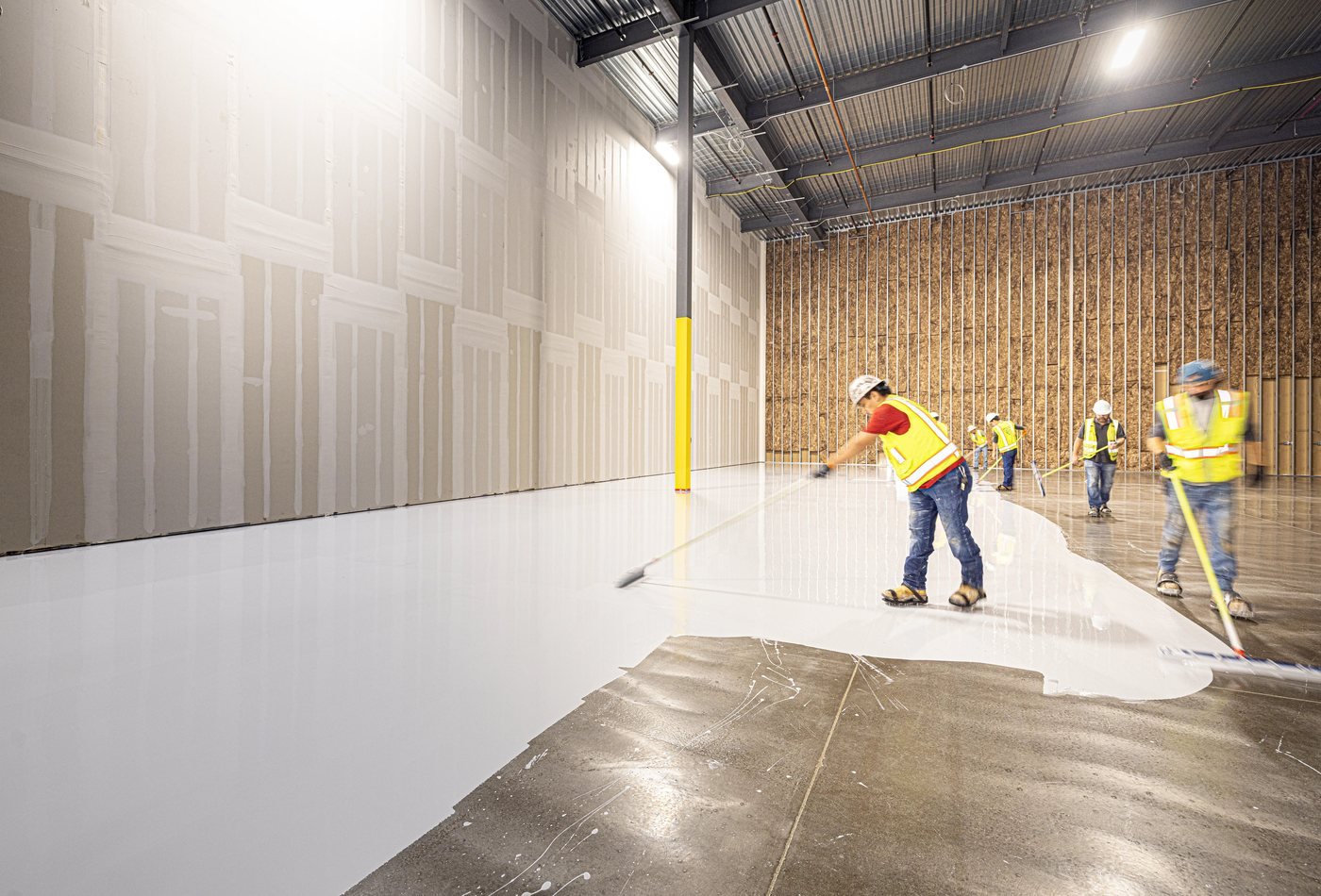
The finished appearance depends on preparation and repair before the color layer. Ask the contractor to separate “coating” from “surface correction” in the proposal.
Hairline cracks can often be repaired and visually minimized
Small dormant cracks may be opened or routed, cleaned, filled with a compatible repair material, ground flush, and coated. A full-flake finish can help blend the repair line into the surrounding floor.
The repair does not guarantee the crack will never reappear. If the slab moves again, a rigid finish may reflect the movement.
Wide or moving cracks may remain a long-term risk
Cracks with displaced edges, moisture, repeated opening, or structural causes need more evaluation. Flexible membranes or joint details may reduce risk in some systems, but they cannot stop settlement or soil movement.
A contractor should explain whether the crack is being cosmetically filled, structurally repaired, or treated as a movement joint. Those are different promises.
Pits and spalls require removal of weak concrete
Pitting can sometimes be filled with resin repair material. Spalled or hollow concrete must be removed until sound material remains. Coating over loose edges only hides a failure plane.
Repair depth, area, and product cure affect cost and schedule. Extensive damage may justify resurfacing rather than dozens of small patches.
Oil stains must be treated as contamination, not only discoloration
A dark stain may be visually hidden by an opaque base coat, but oil remaining in the pores can prevent adhesion. Degreasing, grinding, absorbent treatment, or localized removal may be required before coating.
The goal is not simply to make the stain invisible. It is to create a sound bond so the hidden area does not peel later.
Rust, tannin, and chemical stains can bleed or affect color
Some stains remain in the concrete after grinding. A pigmented primer or full-flake system may conceal them, but certain contaminants can migrate or react with the coating.
Ask whether a stain-blocking primer or test area is needed. Clear sealers and translucent finishes reveal far more of the original slab than opaque systems.
Decorative flake is effective visual camouflage
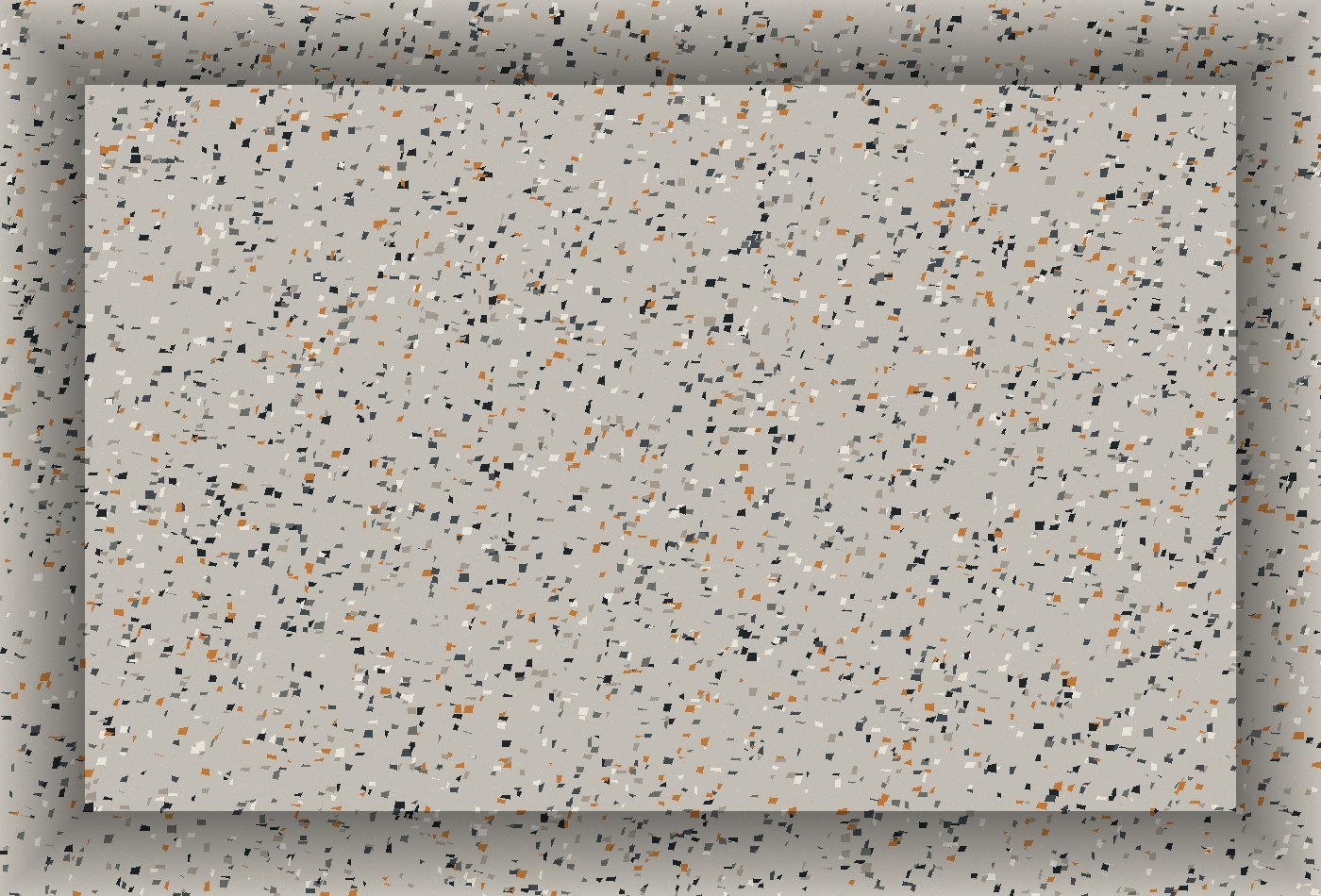
Multi-color flakes break up the visual field and can make small patches, repairs, dust, and minor texture differences less noticeable. A full broadcast generally provides more consistent hiding than a light sprinkle.
Flake does not correct physical problems. A ridge can still be felt underfoot, and a depression can still hold water.
Solid gloss colors reveal more surface variation
A single-color glossy floor reflects light and can highlight roller marks, patch edges, waviness, and contamination. Dark colors may show dust and scratches; very light colors may show tire marks and ambering.
If the slab has many repairs, view samples and discuss whether flake, satin gloss, or additional build will produce a more forgiving result.
Uneven concrete requires grinding, patching, or resurfacing
Minor high spots can be reduced by grinding and small depressions can be filled. Larger elevation differences, heaving, or broad low areas may require cementitious resurfacing or concrete replacement.
Garages are often intentionally sloped toward the door. Leveling that slope may create drainage problems, so correction should preserve the function of the slab.
Joints usually remain part of the visual layout
Control joints can be filled flush in some systems, left visible, or incorporated into the design. Expansion joints typically need to preserve movement. The detail affects both appearance and crack risk.
Ask whether joints will be coated, filled, or sealed and whether the warranty excludes movement. Do not assume every line will disappear.

Edges, stem walls, and vertical surfaces require separate scope
A floor can look incomplete if the horizontal surface is coated but rough stem walls, steps, or curbs remain exposed. Coating vertical areas takes extra material and labor and may use different application techniques.
Confirm which edges are included, how high the coating will extend, and whether garage-door seals or cabinets affect access.
A sample and repair map create realistic expectations
Before work begins, mark major cracks, pits, stains, and elevation changes. Ask the contractor which items will be repaired, which will be visually softened, and which are likely to remain noticeable.
A strong proposal does not promise to hide everything. It explains the repair level, finish choice, and risk of future movement so the homeowner can choose the right budget.
Project checklist
Appearance and repair details to discuss
- Which cracks are dormant, active, or associated with joints?
- How much pitting or spalling repair is included?
- How will oil and chemical contamination be removed?
- Will high spots, low spots, or drainage issues be corrected?
- What will full flake hide compared with a solid color?
- How will stem walls, steps, curbs, and edges be finished?
- Which defects may return or remain visible after coating?
Frequently asked questions
Questions homeowners often ask
Will epoxy hide cracks?
Only after cracks are properly repaired, and active cracks may return. The coating alone should not be used as the crack repair.
Does a flake floor hide imperfections?
It can visually camouflage small repairs and color variations, but it does not remove physical ridges, depressions, or movement.
Can a coating level an uneven garage floor?
Thin coatings cannot. Local grinding, patching, resurfacing, or concrete work may be required.
Will oil stains show through?
Opaque systems may hide color, but contamination must still be removed or treated so it does not undermine adhesion.
Technical references and further reading
Product data sheets and the coating manufacturer’s current instructions control the final installation. These sources provide useful background for comparing proposals.