Quick answer
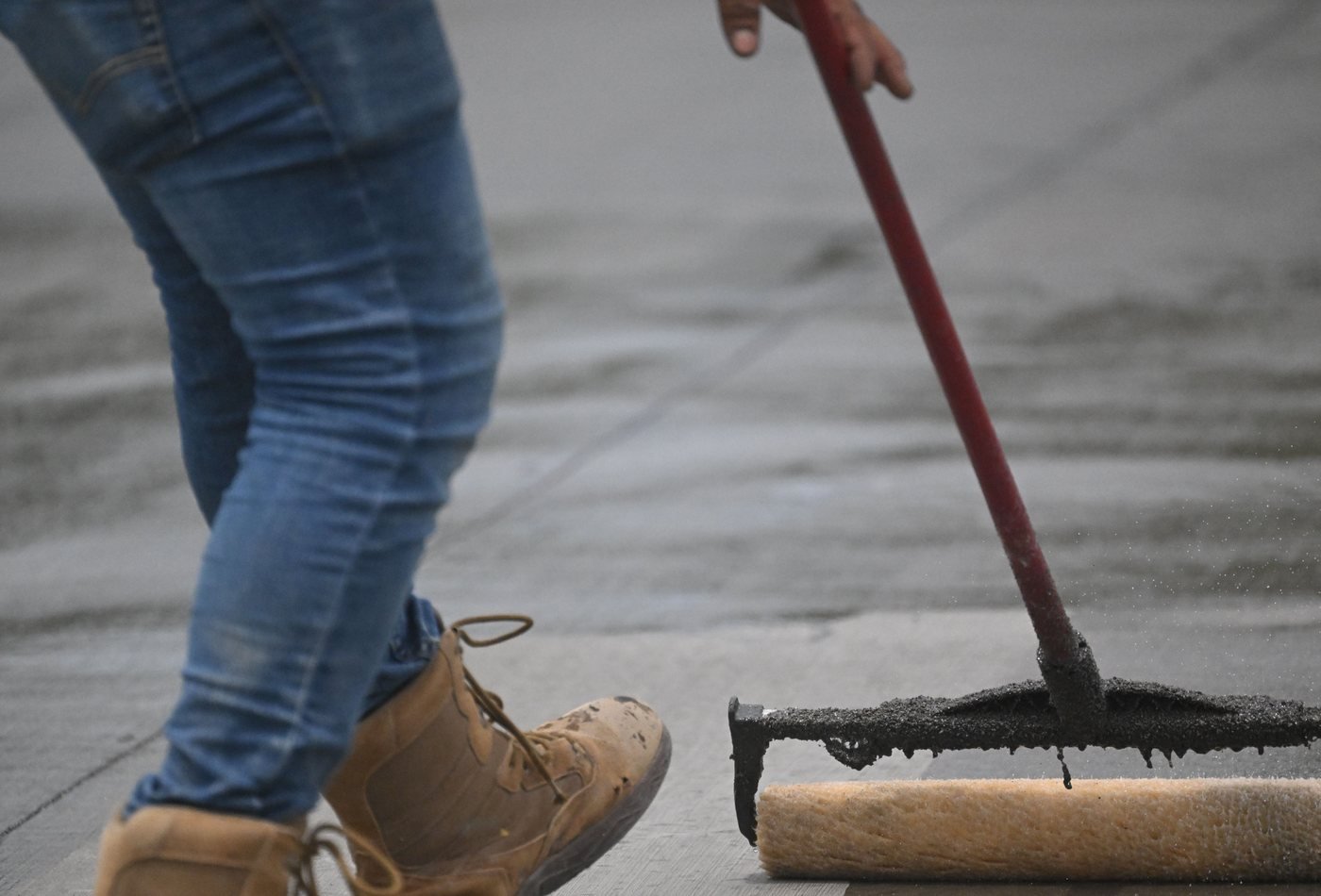
Unmixed components, cleaners, grinding dust, and freshly applied coatings require controls that are not needed after the floor has fully cured. The installation period is when ventilation, personal protective equipment, restricted access, and product instructions matter most.
Safety is different during installation, curing, and normal use
Unmixed components, cleaners, grinding dust, and freshly applied coatings require controls that are not needed after the floor has fully cured. The installation period is when ventilation, personal protective equipment, restricted access, and product instructions matter most.
A cured floor is a solid surface, but the homeowner should still follow maintenance and chemical-use guidance. Safety claims should refer to the exact product and stage of use.
VOCs are chemicals that can evaporate into the air
Some coatings, solvents, primers, and cleaners release volatile organic compounds during application and cure. Product formulations range from water-based and low-VOC to high-solids or solvent-containing systems. Odor and VOC content are related but not identical.
The Safety Data Sheet and technical data sheet provide information about ingredients, ventilation, protective equipment, and exposure precautions. Ask to review them before work begins.
Low odor does not mean no precautions are required
A product can have limited odor and still require gloves, eye protection, and ventilation. Another product may have a strong smell that is unpleasant but not a complete measure of its health risk. People vary in sensitivity.
Follow label and SDS guidance rather than judging safety by smell. Anyone with respiratory conditions or chemical sensitivity should discuss the project with an appropriate health professional and the contractor beforehand.
Ventilation should be planned without spreading vapors into the home
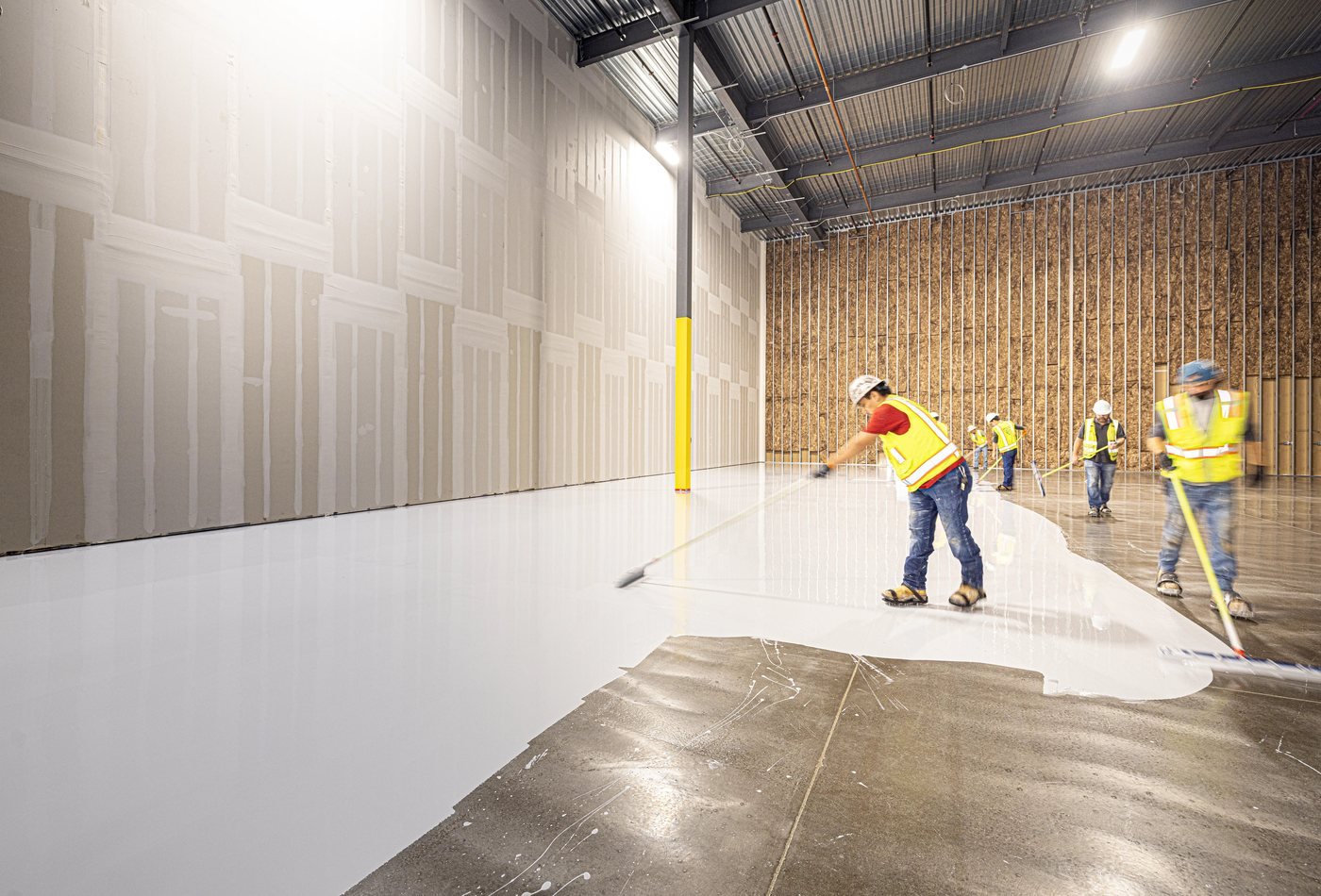
Opening the garage door and using appropriately placed fans may help, but airflow should not push vapors through the door connecting the garage to living space. HVAC returns, shared walls, and weather conditions should be considered.
The contractor should explain whether the products require mechanical ventilation and how long the garage-to-house door should remain closed.
Concrete grinding creates a separate silica-dust concern
Mechanical preparation can generate respirable crystalline silica dust. Professional grinders should use shrouds, effective vacuum collection, appropriate filters, and worker protection. Good dust control also improves coating bond by keeping the slab clean.
Homeowners, children, and pets should remain away from the work zone. Nearby belongings should be removed or protected, and the area should be cleaned before coating.
Installers need chemical-resistant PPE and safe work practices
Gloves, eye protection, protective clothing, and respiratory protection may be required depending on the product and task. Mixing containers, rollers, solvent wipes, and unused material must be handled according to the SDS and local regulations.
A professional crew should also control trip hazards, cords, grinder power, and access to wet coating. Safety is broader than odor.
Ignition sources and hot work should be controlled
Some solvents and vapors can be flammable. Pilot lights, open flames, smoking, welding, grinding sparks, and electrical equipment that is not suitable for the environment may present risk during certain applications.
The contractor should identify required shutdowns and safe equipment. Do not restart appliances or create sparks until the product instructions allow it.
Children and pets should stay out through the stated cure period
Wet resin can stick to paws, shoes, fur, and skin and can be tracked into the home. Decorative flakes and repair materials also create choking or ingestion hazards before cleanup.
Plan a secure barrier and alternate route. Ask when pets can walk on the floor, when water bowls or litter areas can return, and when the garage-to-house door can be used normally.
Cure milestones are different for touch, walking, vehicles, and full chemistry
A floor may become tack-free before it reaches full mechanical and chemical properties. The installer should provide times for light foot traffic, storage, vehicles, water exposure, cleaning, and full cure.
Temperature and humidity can change those times. Protecting the floor longer than the minimum is often simpler than repairing footprints, tire marks, or chemical damage.
Items stored in the garage may need relocation
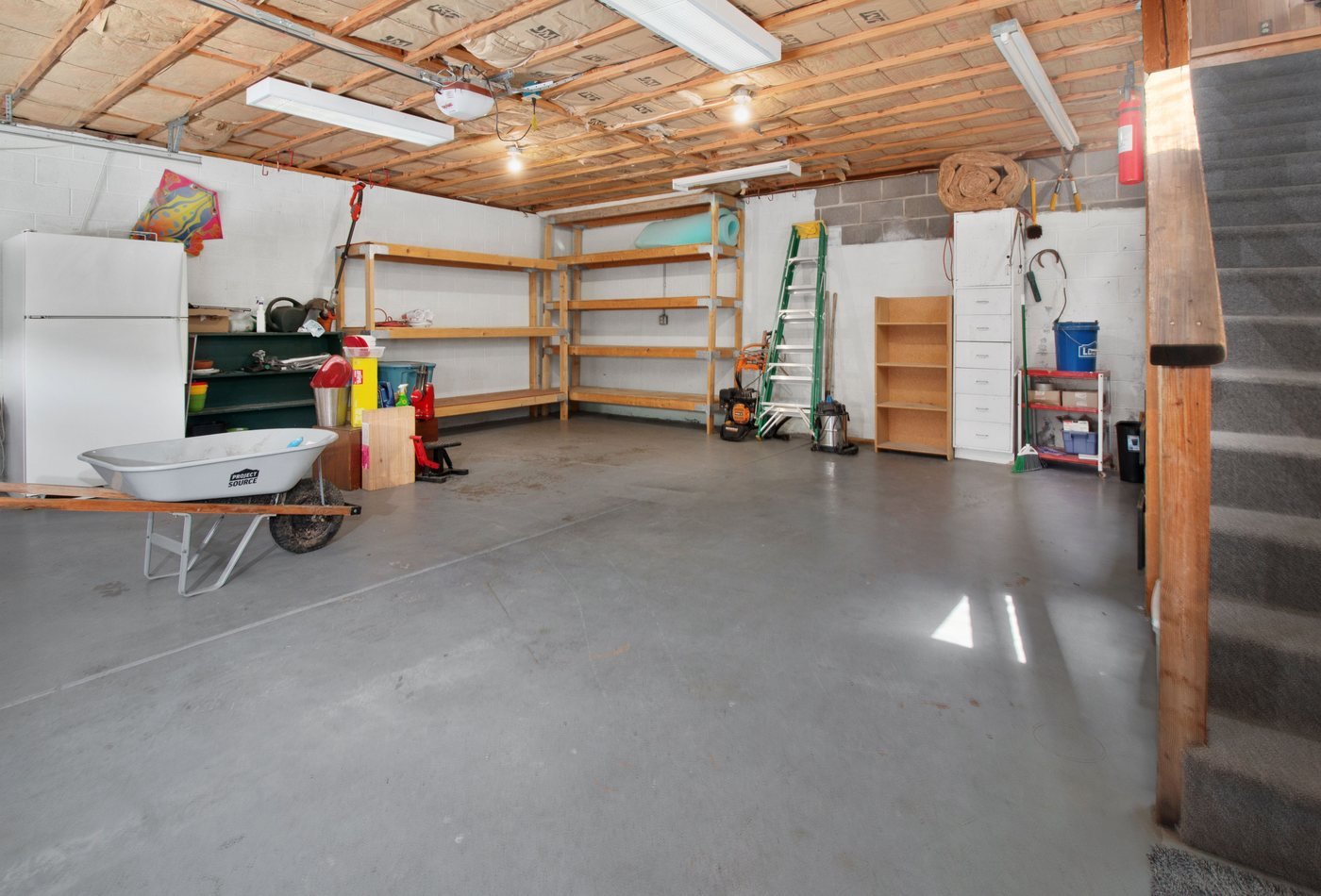
Food, pet supplies, fabrics, cardboard, tools, and chemical containers can collect dust or odor. Moving belongings out also gives the crew access to edges and reduces contamination of the wet finish.
Discuss refrigerators, freezers, water heaters, laundry equipment, and fixed cabinets in advance. The contract should state what the crew moves and what remains operational.

The finished floor still requires sensible chemical handling
A cured coating can make cleanup easier, but gasoline, solvents, battery acid, pool chemicals, and cleaners should still be stored and used carefully. Chemical resistance varies by product and exposure time.
Use trays, clean spills promptly, and avoid unapproved cleaners. A stable coating is not a substitute for garage safety practices.
Ask for documentation and a household-specific safety plan
Before scheduling, request product names, SDS documents, ventilation requirements, cure times, and restrictions. Tell the contractor about pets, children, sensitivities, adjacent living space, pilot lights, and appliances.
A clear plan makes the project easier and reduces surprises. Safety information should be product-specific and written, not limited to “the smell will be gone tomorrow.”
Project checklist
Safety planning questions
- What products, cleaners, primers, and repair materials will be used?
- Can I review the SDS and technical data sheets before installation?
- What ventilation and ignition-control steps are required?
- How will grinding dust be collected and the garage cleaned?
- When must children, pets, and occupants stay away?
- When can the garage-to-house door, appliances, and vehicles return?
- How should leftover material, wipes, and debris be disposed of?
Frequently asked questions
Questions homeowners often ask
Are epoxy garage floors toxic after they cure?
A properly mixed and fully cured coating becomes a solid finished surface. Safety concerns are greatest during preparation, mixing, application, and cure; follow product-specific documentation.
How long does garage floor coating odor last?
It varies by product, ventilation, film thickness, and conditions. Ask for product-specific expectations rather than relying on a universal timeline.
Can pets walk on a new polyaspartic floor?
Only after the installer’s stated foot-traffic cure time and when the surface is clean and safe. Keep pets away from wet materials and loose flakes.
Is low-VOC the same as no odor?
No. VOC content and perceived odor are not the same, and low-VOC products still require label and SDS precautions.
Technical references and further reading
Product data sheets and the coating manufacturer’s current instructions control the final installation. These sources provide useful background for comparing proposals.