Quick answer
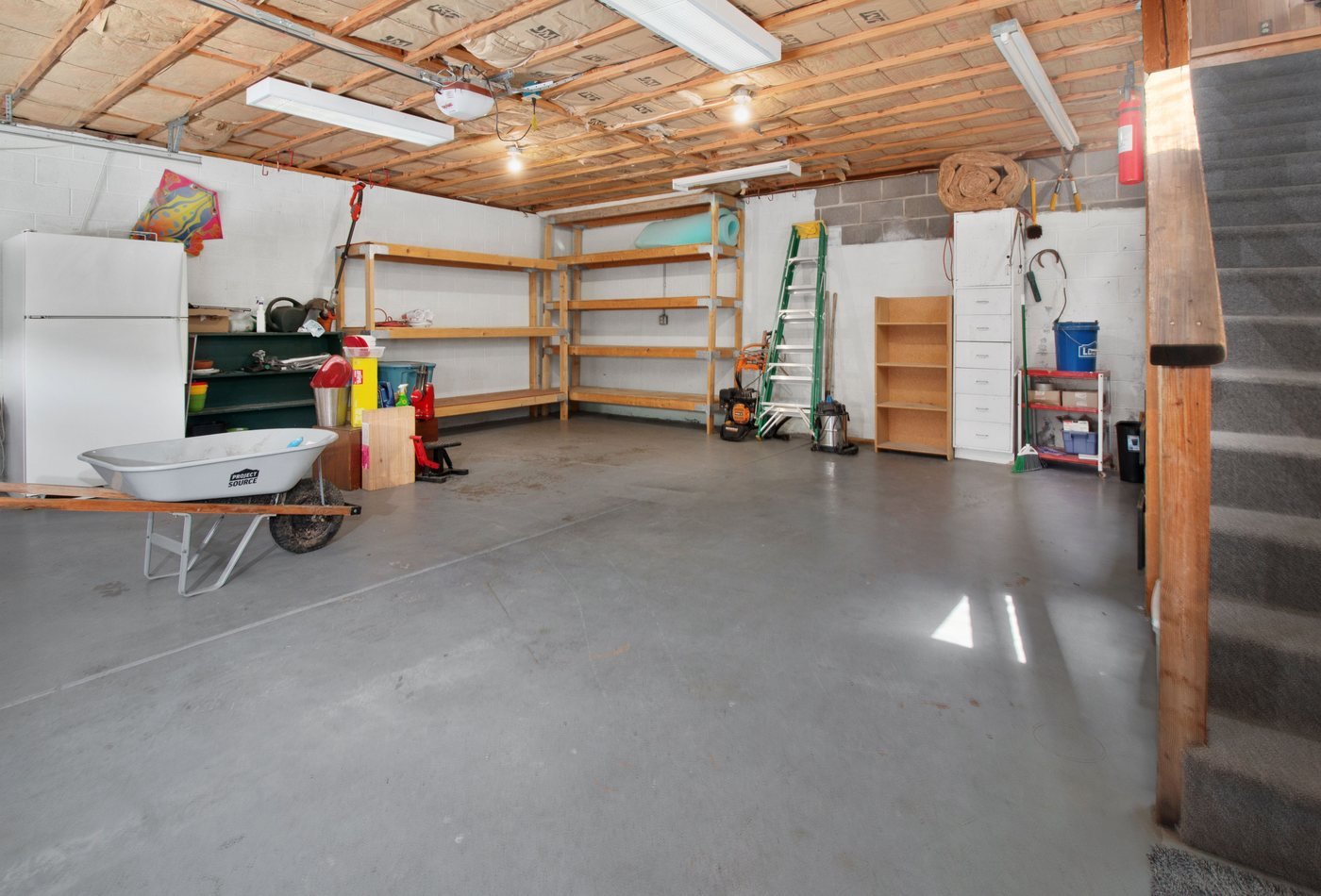
A mature garage slab is not automatically a problem. In fact, older concrete has already completed much of its initial drying and shrinkage. Many older floors can support a durable coating after thorough evaluation, preparation, and repair.
Older concrete can be an excellent coating substrate
A mature garage slab is not automatically a problem. In fact, older concrete has already completed much of its initial drying and shrinkage. Many older floors can support a durable coating after thorough evaluation, preparation, and repair.
The challenge is history. Decades of oil, paint, sealers, patches, moisture, and vehicle traffic may be hidden at the surface or in the pores.
The best system is chosen after the old surface is understood
There is no single coating chemistry that is always best for older concrete. The right system depends on whether the slab is sound, dry enough, free of contamination, and capable of being profiled to the manufacturer’s requirements.
A contractor who recommends a product before examining old paint, cracks, and moisture is skipping the most important part of the decision.
Oil and automotive contamination can be deeply embedded
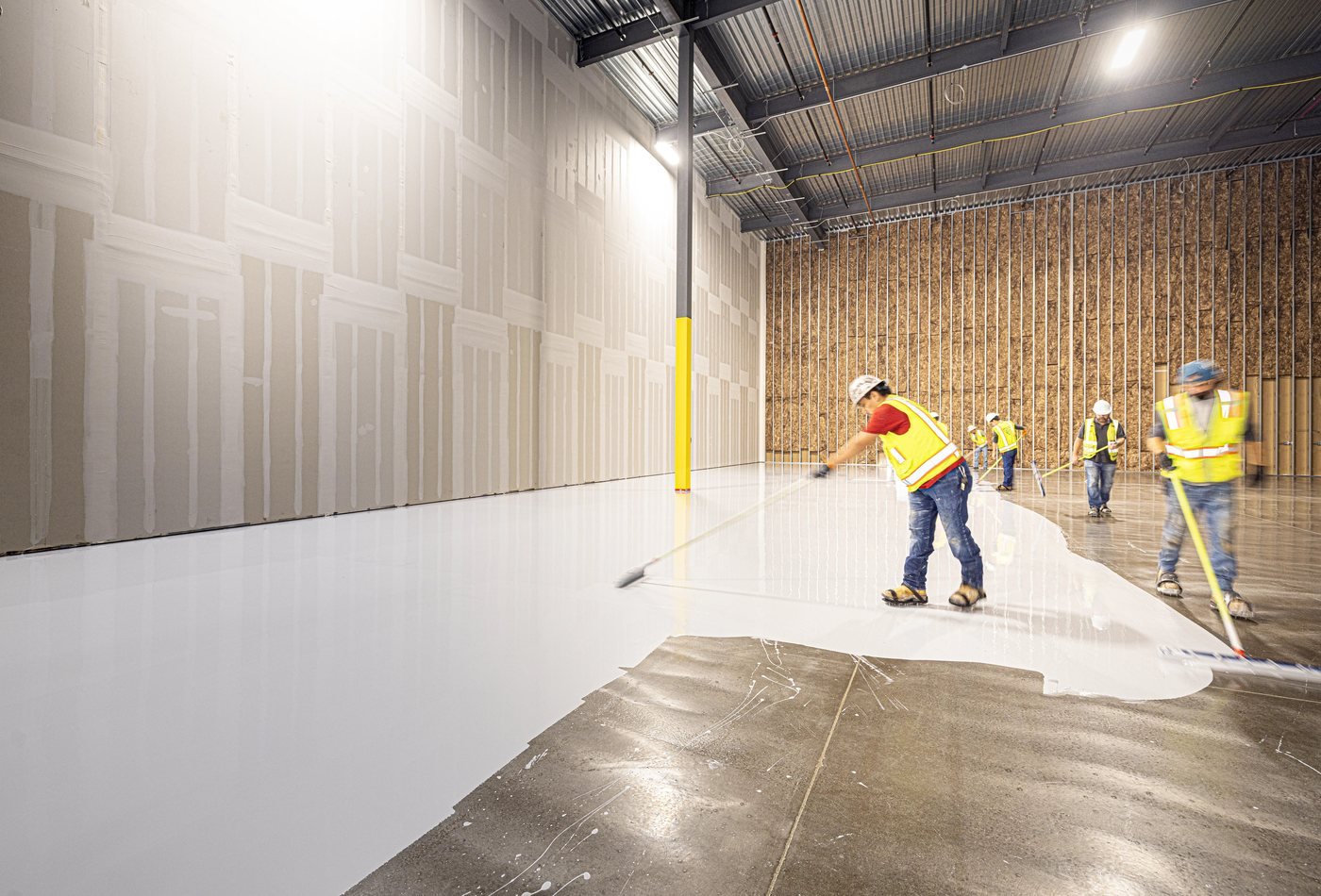
Older garages often have dark tire paths, oil spots, transmission fluid, silicone tire dressing, and unknown shop chemicals. Surface cleaning may improve appearance without removing the bond risk below.
Preparation may include repeated degreasing, aggressive grinding, localized removal, or patching. Some heavily contaminated areas may remain outside standard warranty coverage.
Old paint, sealer, and multiple coating layers must be removed or tested
A garage may have several generations of paint and patch material. The newest layer may look sound while an older layer has weak adhesion to concrete. Building over that stack transfers the risk to the new system.
Mechanical removal to sound concrete is often the most predictable approach. If some existing coating remains, its bond and compatibility should be documented.
Cracks and joints tell the history of slab movement
Hairline shrinkage cracks, control joints, settlement cracks, and patched trenches should be mapped before coating. Displaced edges or widening cracks may require more than cosmetic filling.
The installer should explain which repairs are intended to remain rigid, which joints need movement, and what future cracking is excluded from the warranty.
Weak surface concrete must be removed to sound material
Dusting, scaling, pitting, and spalling can indicate a weak surface layer. A coating bonded to weak concrete may lift with concrete attached to its underside. Grinding reveals whether deterioration is shallow or widespread.
Localized weak areas can often be patched. Extensive deterioration may need resurfacing or replacement before a decorative system is sensible.
Moisture risk can be higher when vapor-barrier history is unknown
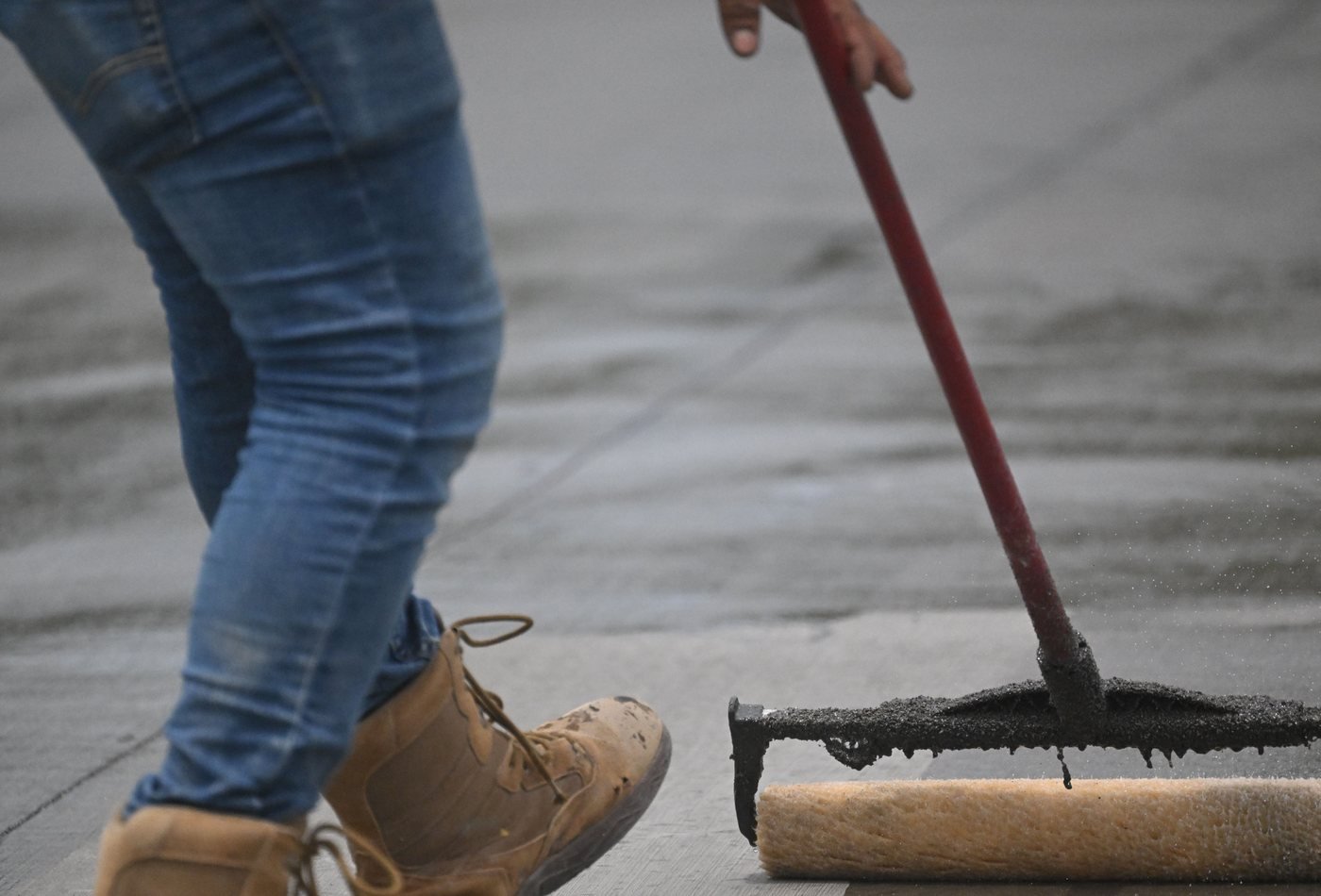
Older slabs may have no effective vapor retarder or may have drainage conditions that changed over time. Efflorescence, recurring damp spots, blistered paint, or water near walls are reasons to investigate.
Quantitative testing may guide primer or mitigation selection. A moisture-tolerant product still has defined limits and does not solve active leaks.
Mechanical profiling removes history and prepares for the new system
Diamond grinding can remove weak paste, old finishes, and surface contamination while creating profile. Edges, corners, and door thresholds need the same attention as the open floor.
The preparation stage may reveal hidden repairs or soft areas. A fair contract explains how additional work is approved and priced.
Repair materials should be compatible and able to meet the schedule
Older floors may require crack filler, epoxy mortar, fast-setting resin patch, or cementitious resurfacing. Each has cure and profile requirements. Applying the coating before the repair is ready can create discoloration or loss of bond.
Ask which repair products are included and whether deep or widespread repairs are estimated separately.
Decorative full-flake systems can be forgiving visually
A multi-color full-flake broadcast can soften the appearance of small patches, old repair boundaries, and color variation. It also creates a practical garage finish that hides everyday dust better than many solid gloss colors.
The visual benefit does not eliminate the need to flatten repairs and remove physical ridges. Texture and topcoat still need to match cleaning and traction needs.

The topcoat should match sunlight, use, and maintenance
Older homes may have garages that stay open, windows that bring direct sun, or workshops with chemical exposure. The topcoat should be selected for UV, abrasion, hot tires, and cleaning rather than chosen only for speed.
If the garage opens to a patio or includes exterior concrete, confirm whether the system is approved for each exposure.
The best estimate explains limits as clearly as benefits
A strong proposal for older concrete should identify known defects, unknown risks, repair allowances, moisture assumptions, and warranty exclusions. It should not promise to make a fifty-year-old slab permanently crack-free.
With realistic scope and proper preparation, an older garage can receive a durable, attractive floor. The condition of the substrate—not its birth date—is the deciding factor.
Project checklist
Older-slab inspection checklist
- Previous paint, sealer, epoxy, adhesive, or unknown layers
- Oil, silicone, rust, chemical, and tire-path contamination
- Cracks, joints, patches, trenches, and displaced edges
- Dusting, scaling, pitting, hollow spots, and spalling
- Efflorescence, dampness, leaks, and drainage history
- Sunlight, workshop use, chemical exposure, and vehicles
- Repair allowances and warranty limits for existing conditions
Frequently asked questions
Questions homeowners often ask
Is old concrete too porous for epoxy?
Porosity can often be managed with proper preparation and primer. The slab must still be sound and within moisture limits.
Can a 30-year-old garage floor be coated?
Yes, many can. Age is less important than contamination, soundness, moisture, cracks, and the ability to prepare the surface correctly.
What if the old floor has oil stains?
They need to be treated as adhesion risks. Cleaning, grinding, deeper removal, or localized patching may be required.
Is full flake good for older concrete?
It can create a forgiving appearance after repairs, but it does not replace structural correction or proper preparation.
Technical references and further reading
Product data sheets and the coating manufacturer’s current instructions control the final installation. These sources provide useful background for comparing proposals.