
Quick answer
Resinous floor systems can resist many common garage fluids better than bare concrete, but performance depends on the exact chemical, concentration, temperature, dwell time, film thickness, and coating chemistry. A brief oil drip cleaned promptly is different from a puddle of solvent left overnight.
“Chemical resistant” never means resistant to every chemical forever
Resinous floor systems can resist many common garage fluids better than bare concrete, but performance depends on the exact chemical, concentration, temperature, dwell time, film thickness, and coating chemistry. A brief oil drip cleaned promptly is different from a puddle of solvent left overnight.
Manufacturers publish resistance guides for specific products. Those documents are more useful than a general claim that the floor is impervious.
Motor oil is usually manageable with prompt cleanup
Cured garage coatings commonly tolerate short-term exposure to engine oil, transmission fluid, and similar lubricants. The seamless surface makes cleanup easier because the liquid is less likely to soak immediately into open concrete pores.
Oil can still leave residue, reduce traction, or discolor certain finishes if ignored. Use an approved degreaser and rinse or wipe according to the maintenance instructions.
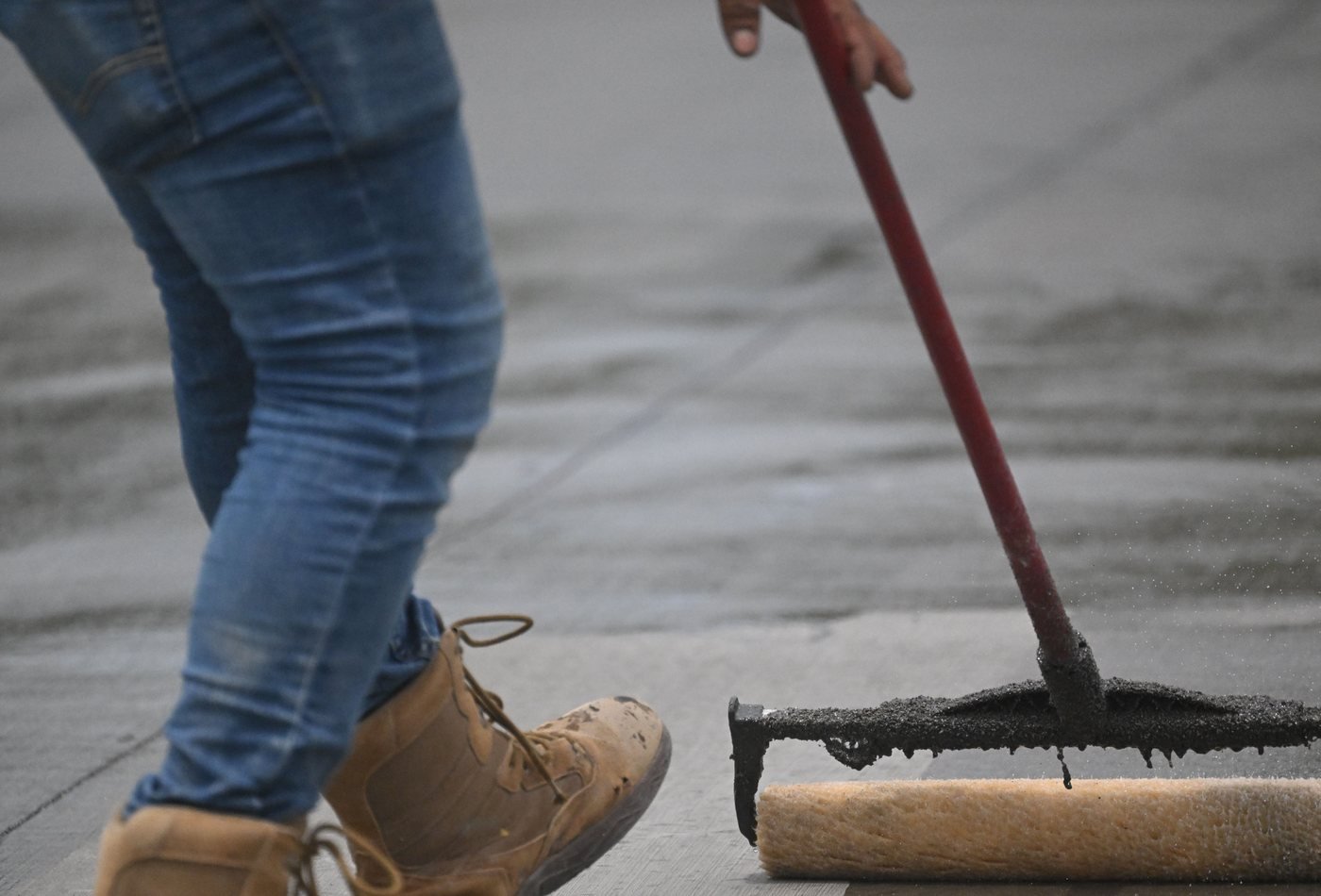
Gasoline exposure should be limited and cleaned quickly
Gasoline contains solvents that can soften, stain, or dull some coatings, especially with prolonged contact. Splash resistance does not imply suitability for continuous immersion or fuel-storage areas.
Ventilate the garage, remove ignition sources, absorb the spill safely, and follow local disposal requirements. Ask the contractor which product layer provides fuel resistance and what the data sheet says about dwell time.
Brake fluid and battery acid can be more aggressive
Brake fluid, battery electrolyte, and concentrated automotive chemicals may attack or stain a decorative coating faster than ordinary oil. The severity varies by formulation. Some high-performance commercial systems offer stronger chemical resistance than standard residential decorative floors.
If vehicle repair is a regular activity, identify the likely chemicals during the estimate. Protective trays, prompt cleanup, and a system selected from published resistance data can reduce risk.
Solvents and harsh cleaners can damage the finish
Paint thinner, acetone, brake cleaner, adhesive remover, and other solvents may haze, soften, or remove coatings. Strong alkaline or acidic cleaners can also affect gloss and color. Do not assume a cleaner is safe because it is sold for concrete.
Test unfamiliar products in an inconspicuous area or obtain written approval. Neutral cleaners are usually preferred for routine maintenance.
Fertilizers, pool chemicals, and household products deserve attention
Garages often store fertilizer, chlorine products, pesticides, salt, and cleaners. Granules can absorb moisture and create concentrated chemical spots, while metal containers can rust and stain the floor.
Use shelves, trays, and sealed containers. For a garage connected to pool or landscaping work, discuss those exposures before selecting a coating.
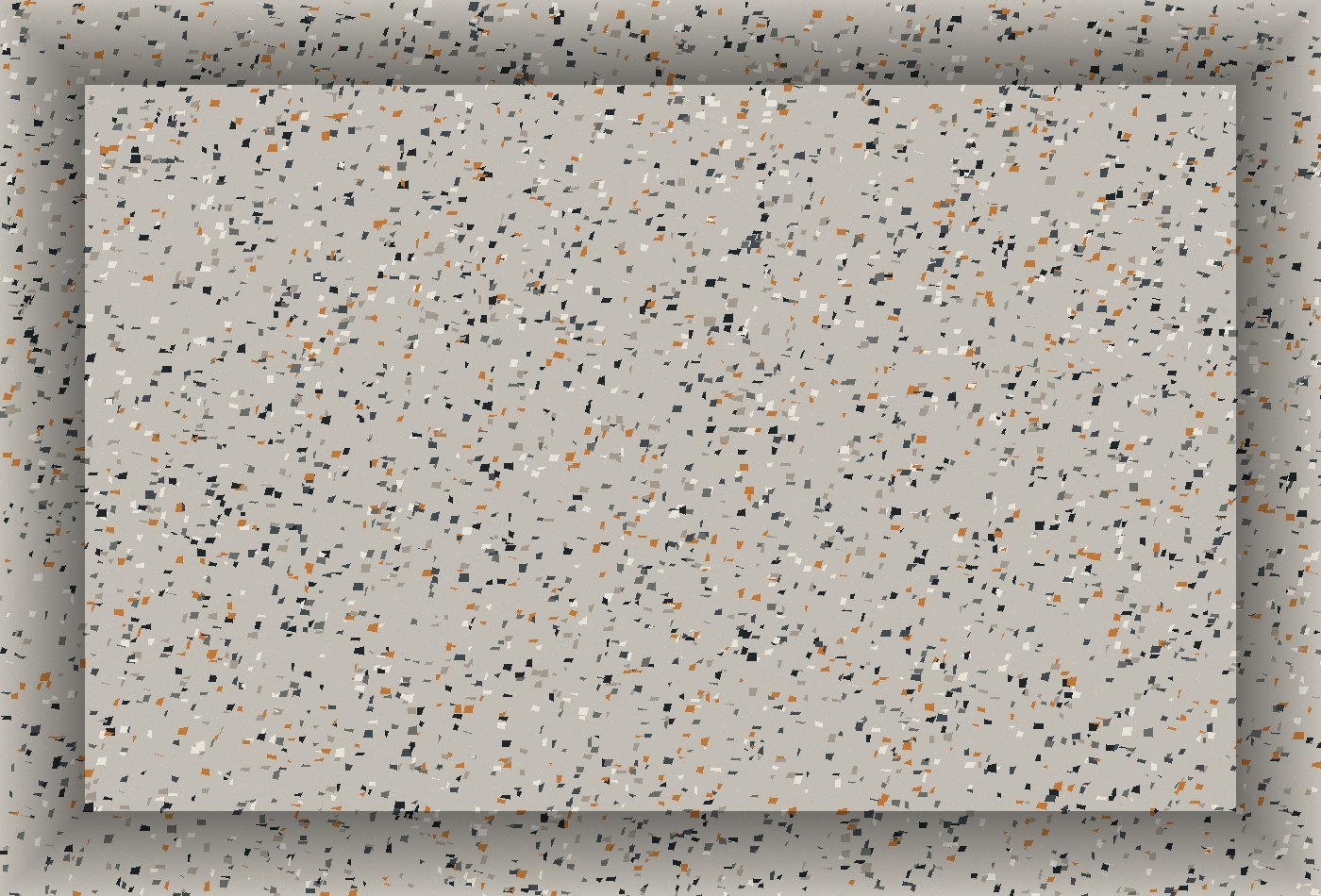
Hot-tire resistance combines chemistry, adhesion, and cure
Warm tires place pressure and heat on small areas and may interact with coatings. A garage-rated system should be designed to resist pickup, but the slab must also be properly prepared and free of tire dressing contamination.
Vehicle return before full cure is a preventable cause of damage. Follow the written drive-on schedule even if the floor feels hard.
Abrasion can wear a coating even without chemical attack
Sand, grit, metal wheels, floor jacks, and turning tires can scratch or dull the topcoat. Chemical resistance does not equal scratch resistance. The wear layer, texture, and housekeeping practices influence appearance over time.
Sweep abrasive debris regularly and use pads under kickstands, jacks, and sharp equipment. Consider a maintenance recoat before the decorative layer is exposed.
Texture affects both safety and cleanup
A smooth glossy finish may release spills easily but can be slippery when oil or water is present. Added aggregate improves traction but can trap residue and require more scrubbing.
Choose texture based on wet exposure, footwear, vehicle work, pets, and cleaning methods. A sample panel can help set expectations.
Full cure provides more resistance than early cure
Many coatings reach walk-on hardness before achieving full chemical and mechanical properties. A spill during the first days can damage a finish that would resist the same exposure later.
Ask for separate timelines for foot traffic, vehicles, water, cleaning chemicals, and full cure. Protect the floor during that period.
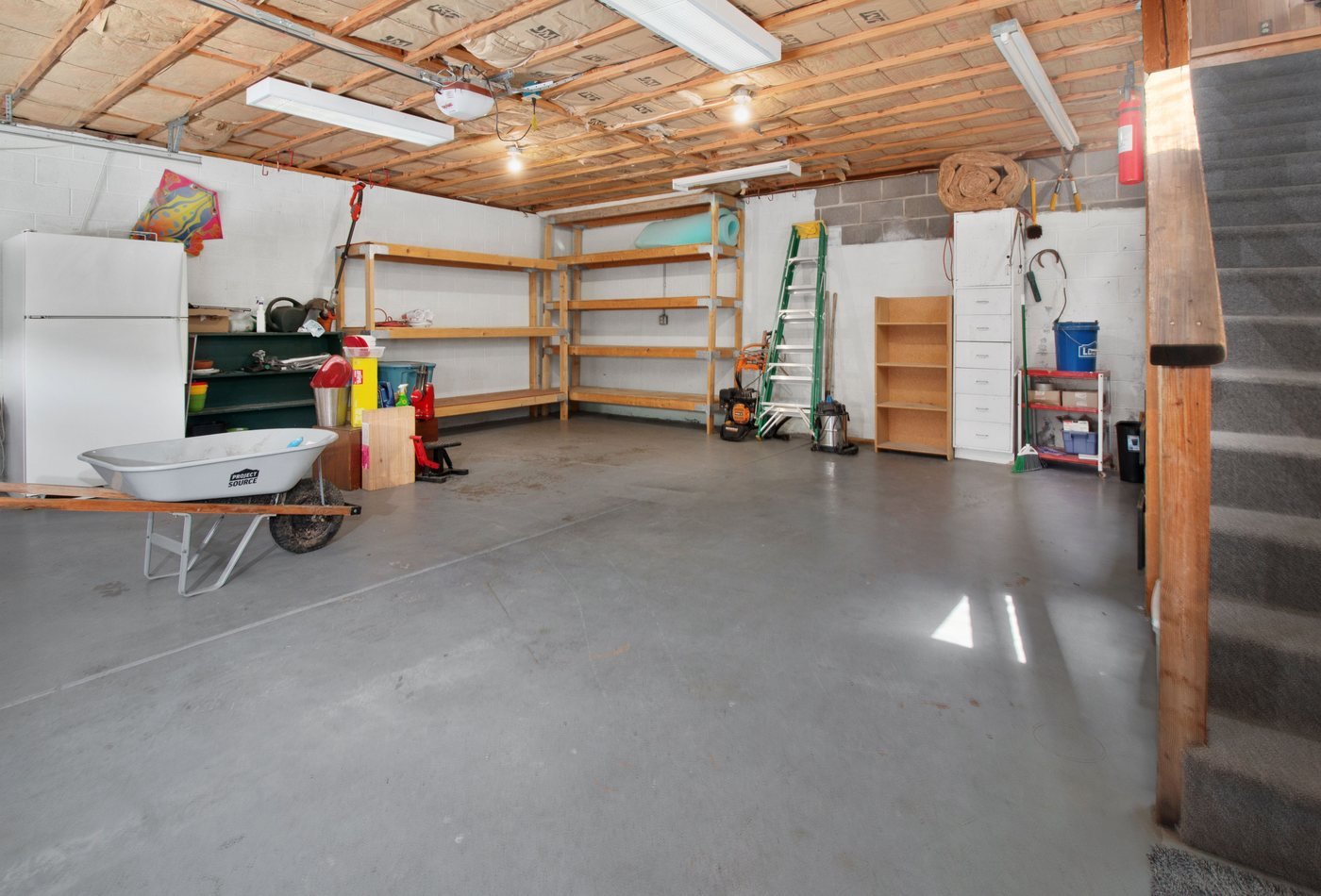
Chemical data should be matched to your actual use
A chemical-resistance chart may classify exposure as splash, intermittent, or continuous. It may also note discoloration even when the coating remains structurally intact. Read the legend and test conditions carefully.
Homeowners who restore cars, operate a workshop, charge batteries, or store pool chemicals should provide a list to the contractor. A more robust topcoat or commercial system may be appropriate.
Good maintenance reduces both damage and warranty disputes
Keep absorbent material and compatible cleaner nearby. Remove spills promptly, rinse residue, and document any unusual exposure. Avoid leaving wet rubber-backed mats or chemical containers directly on the floor for long periods.
Review the warranty for excluded substances and required maintenance. The coating can make a garage easier to manage, but it does not eliminate responsible handling of automotive chemicals.
Project checklist
Questions about chemical and vehicle resistance
- Which exact topcoat is exposed to tires and spills?
- Can I review the manufacturer’s chemical-resistance chart?
- How long can common fluids remain before cleanup?
- Are brake fluid, battery acid, gasoline, and solvents excluded?
- When does the floor reach full chemical and vehicle cure?
- What cleaners and degreasers are approved?
- What texture is recommended for wet or oily conditions?
Frequently asked questions
Questions homeowners often ask
Will oil stain an epoxy garage floor?
A fully cured suitable coating usually makes oil easier to clean, but prolonged exposure or residue can stain or dull some finishes. Clean spills promptly.
Can gasoline damage polyaspartic?
It depends on the exact formulation, concentration, and exposure time. Consult the manufacturer’s resistance data rather than relying on the chemistry name alone.
Are garage coatings resistant to battery acid?
Some specialized systems perform better than standard decorative floors, but battery acid can be highly aggressive. Discuss this exposure before installation and use containment.
Can I use brake cleaner on a coated floor?
Do not assume it is safe. Solvent cleaners may haze or soften coatings. Use products approved by the manufacturer.
Technical references and further reading
Product data sheets and the coating manufacturer’s current instructions control the final installation. These sources provide useful background for comparing proposals.