Quick answer
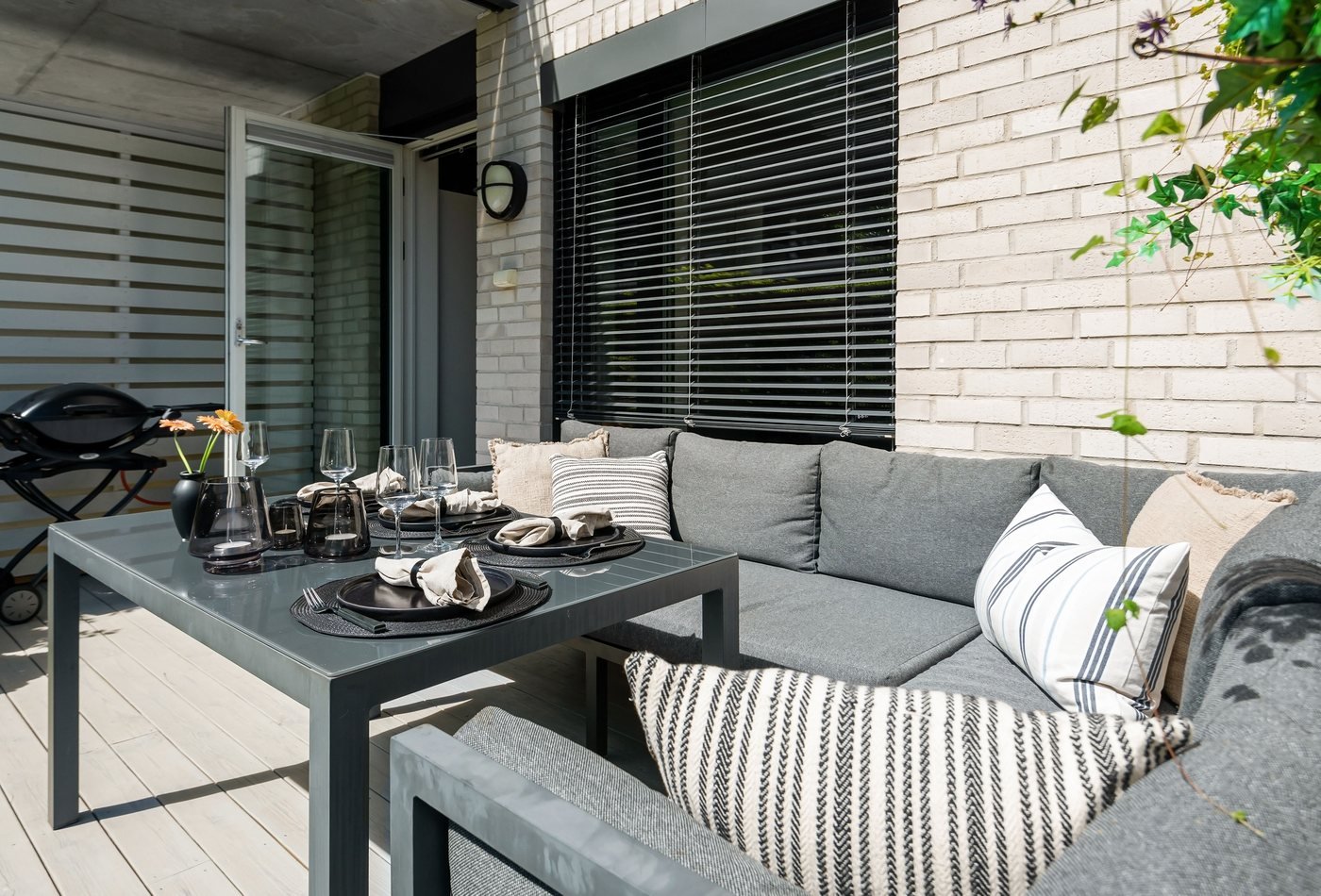
Patios, lanais, porches, and pool decks are common coating candidates. The system must be approved for exterior exposure, direct or reflected UV, rain, temperature changes, and wet foot traffic. An indoor garage product should not be moved outdoors based only on appearance.
Outdoor concrete can be coated, but not with every garage system
Patios, lanais, porches, and pool decks are common coating candidates. The system must be approved for exterior exposure, direct or reflected UV, rain, temperature changes, and wet foot traffic. An indoor garage product should not be moved outdoors based only on appearance.
The contractor should identify every layer and confirm its exterior use. A UV-stable clear coat does not automatically make an indoor-only base or repair product suitable for a pool deck.
UV stability is essential in Florida sunlight
Direct sun can amber epoxy, fade pigments, reduce gloss, and heat the surface. Aliphatic polyaspartic, polyurethane, acrylic, cementitious, and other exterior systems may be considered depending on the project.
Covered lanais still receive reflected light and sun near screen openings. Map full-sun, partial-sun, and shaded areas before choosing color and chemistry.
Wet traction should be designed, not added casually
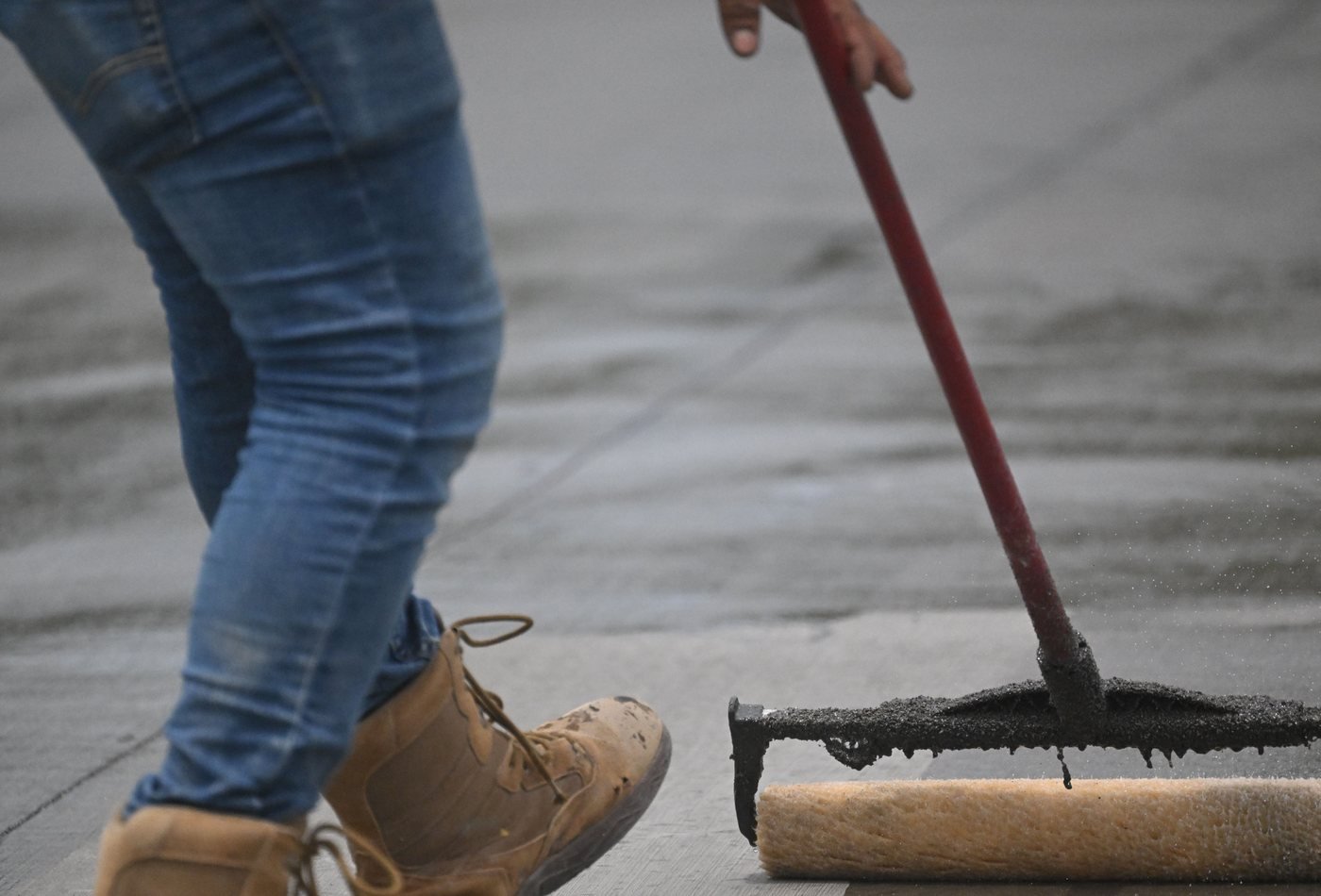
Pool water, rain, irrigation, bare feet, sunscreen, leaves, and algae can make a smooth coating slippery. Anti-slip aggregate, quartz, decorative flake, or textured finishes can improve traction.
More texture is not always better. Aggressive aggregate can be uncomfortable under bare feet and difficult to clean. Ask to feel a cured sample and discuss wet-use conditions.
Drainage and ponding must be addressed before coating
A coating follows the slab slope. It will not redirect water from a low area or fix a patio that drains toward the house. Standing water can encourage algae, staining, and premature wear even when the resin tolerates immersion.
Identify drains, door thresholds, screen enclosures, and low spots. Grinding and patching can correct minor issues, while major drainage problems may require concrete or site work.
Moisture can enter from above and below
Outdoor slabs receive rain and irrigation at the surface and may transmit vapor from soil below. Many patios lack the vapor retarder found beneath interior slabs. Moisture tolerance is therefore a system-design question.
Efflorescence, damp areas, blistered paint, and water at cracks are warning signs. A breathable or moisture-tolerant system may be considered, but active water sources should be corrected.
Concrete temperature affects color comfort and application
Dark surfaces can become hot in full sun, making them uncomfortable for bare feet and pets. Lighter colors and multicolor blends may reduce heat absorption and show less fading, although every surface can become warm in Florida sun.
During installation, slab temperature can be much higher than air temperature. Fast-curing products may have very short working times, so crews should schedule around conditions.
Pool chemicals and saltwater require product-specific review
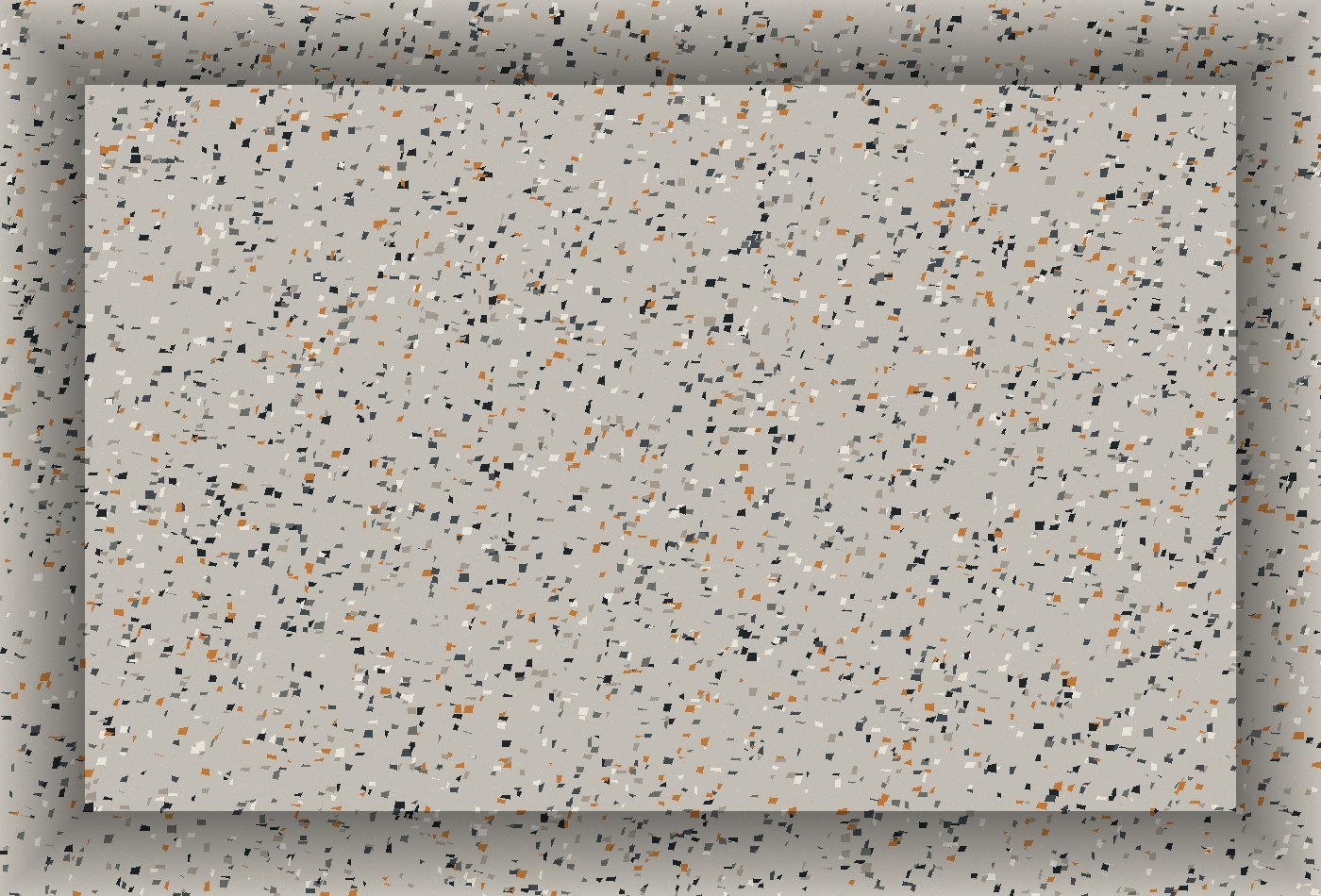
Chlorine products, salt, sunscreen, cleaning acids, and metal furniture can stain or attack some coatings. Splash resistance and continuous chemical exposure are different categories.
Ask for the exact chemical-resistance guidance and maintenance instructions. Store concentrated chemicals in trays and clean spills promptly.
Cracks and movement are common on exterior slabs
Outdoor concrete experiences temperature changes, tree roots, soil moisture, and settlement. Cracks should be evaluated for movement, and expansion joints should usually preserve their function.
Flexible membranes or joint sealants may help in selected areas, but no decorative coating can guarantee that an exterior slab will never crack again.
Pressure washing must match the coating and texture
Outdoor surfaces collect pollen, sand, leaves, mildew, and algae. Pressure washing may be allowed, but excessive pressure or a zero-degree tip can damage edges, sealants, and worn areas.
Use the manufacturer’s cleaning guidance, compatible detergents, and appropriate distance. Routine low-pressure cleaning can be safer than waiting for heavy buildup.
A lanai and an open pool deck may need different systems
A roofed lanai has less direct rain and sun but may still be humid and wet. An open pool deck receives maximum UV, standing water, and barefoot traffic. A screened porch may collect sand and wind-driven rain.
Do not assume one coating specification should cover every exterior surface around the home. Separate areas may need different texture or layer design while sharing a coordinated color palette.

Surface preparation remains the foundation outdoors
Old paint, acrylic sealer, mildew, efflorescence, and weak concrete must be removed or treated. Mechanical preparation creates profile, while repairs and cleaning address damage and contamination.
Pressure washing alone may not remove a bonded sealer or create the profile required by a resinous system. The product manufacturer’s instructions should guide preparation.
A successful exterior estimate is site-specific
The contractor should inspect sun, shade, drainage, moisture, cracks, joints, pool chemistry, footwear, pets, furniture, and cleaning. The proposal should name exterior-approved products, texture, color, and cure restrictions.
For St. Augustine homes, include coastal sand, humid weather, heavy rain, screened enclosures, and strong sun. A well-matched system can create a practical outdoor finish, but it must be designed for the exposure rather than copied from a garage.
Project checklist
Outdoor coating details to compare
- Exterior approval and UV stability of every layer
- Wet-slip texture for bare feet, pets, and pool traffic
- Drainage, low spots, thresholds, and standing water
- Moisture-vapor conditions and evidence of efflorescence
- Pool chemicals, salt, sunscreen, furniture, and cleaners
- Crack and expansion-joint treatment
- Color temperature, maintenance, pressure washing, and warranty
Frequently asked questions
Questions homeowners often ask
Can epoxy be used on an outdoor patio?
Only if the complete epoxy-based system is specifically approved for exterior UV, moisture, and weather exposure. Standard indoor epoxy may yellow or deteriorate outside.
What is the best pool deck coating texture?
The best texture balances wet traction, barefoot comfort, and cleaning. Review a cured sample rather than relying on “non-slip” wording.
Will a coating fix puddles on a patio?
No. Coatings follow the slab. Minor low spots may be patched, but drainage problems require separate correction.
Can a lanai use the same coating as the garage?
Sometimes, but only if every product is approved for the lanai’s UV, moisture, and wet-traffic exposure. Often the specification should be adjusted.
Technical references and further reading
Product data sheets and the coating manufacturer’s current instructions control the final installation. These sources provide useful background for comparing proposals.