Advice from your local floor-coating company
New concrete still needs evaluation and preparation before coating
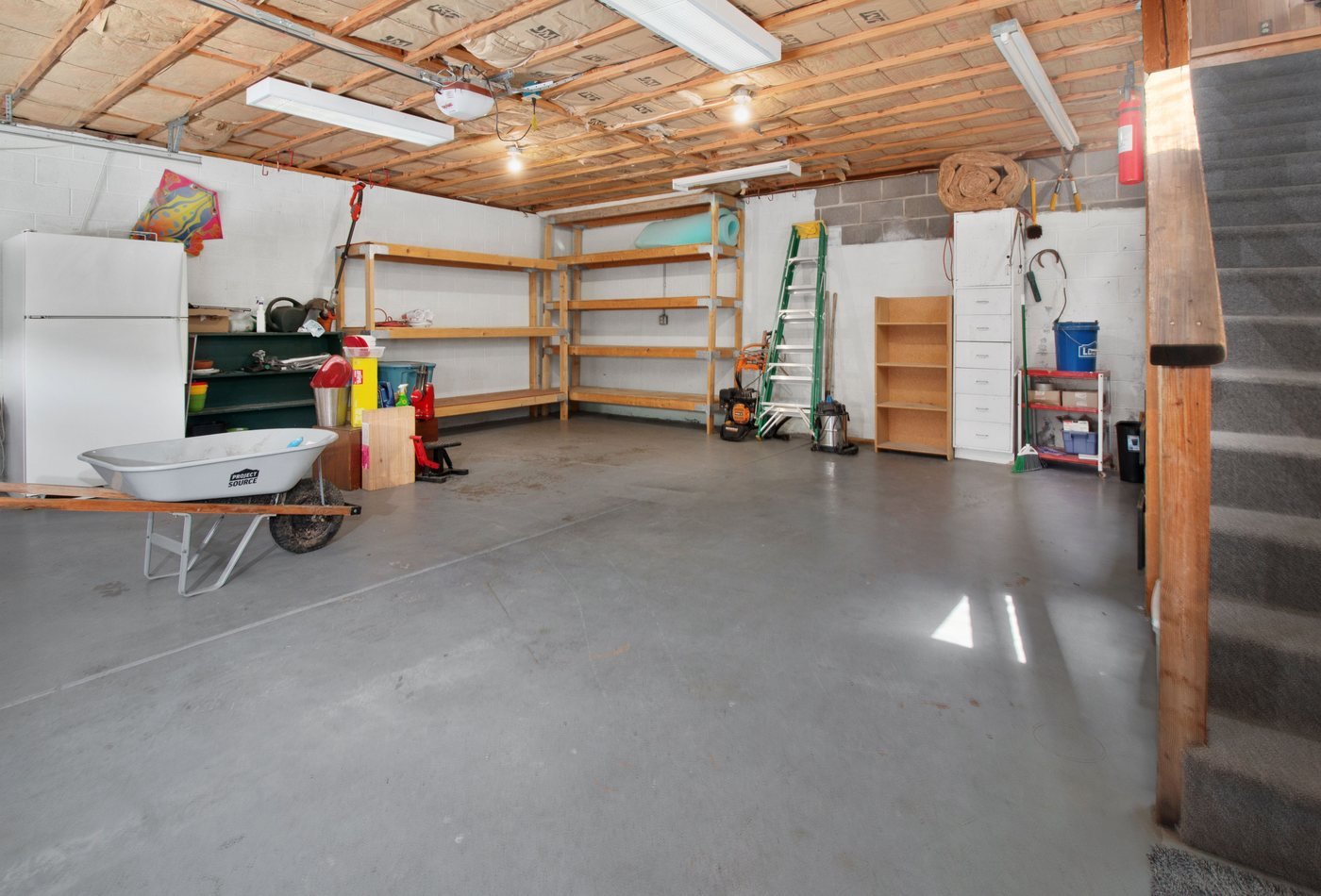
A new garage slab may look clean, but it can still contain curing compounds, sealers, laitance, construction residue, moisture, trowel burn, surface defects, or patching that affect coating adhesion. New concrete also needs enough time and suitable conditions before many resinous systems can be applied.
Builders sometimes apply clear sealers or treatments that are difficult to see. Water-drop testing, mechanical preparation, and installer evaluation can help identify whether the surface is ready for the planned system.
Coordinate the project around closing, appliance delivery, storage, cabinets, baseboards, and vehicle access. Coating before the garage is filled is convenient, but the slab should not be rushed before it meets the selected product requirements.
Items to compare
- Concrete age and product-specific cure requirements
- Curing compounds, sealers, laitance, and construction debris
- Moisture evaluation and weather history
- Mechanical preparation even on clean-looking concrete
- Timing with closing, move-in, cabinets, storage, and vehicles
- Builder cracks, joints, patches, and warranty questions
Related search topics
Frequently asked questions
Can a brand-new garage floor be coated immediately?
Usually the concrete must first meet the coating manufacturer requirements for age, moisture, strength, and preparation. The exact waiting period varies by system and conditions.
Does new concrete need grinding?
Many professional systems still require mechanical profiling on new concrete to remove weak surface material or treatments and create the specified bond profile.