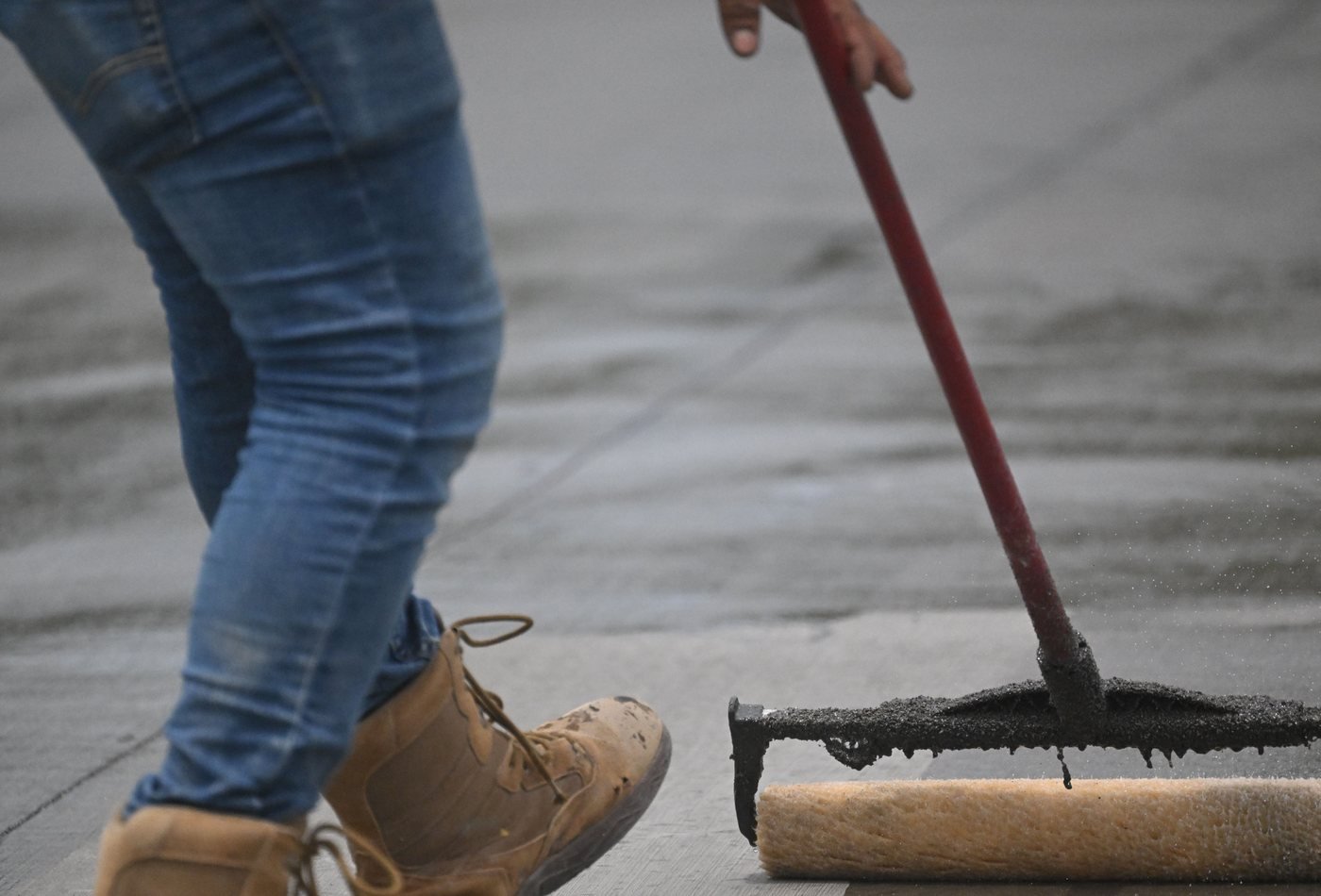
Professional local service
Repairing cracks, pitting, spalls, and damaged areas before a coating is installed
Garage floors can develop shrinkage cracks, control joints, pitting, surface scaling, pop-outs, damaged edges, old patches, and areas weakened by moisture or contamination. These conditions should be evaluated before the floor is coated.
Repair materials and methods depend on whether a defect is cosmetic, moving, structural, moisture-related, or simply part of a planned control joint. A rigid patch may not stop future movement, and some cracks can reappear through a coating even when they are properly treated.
Ask how each repair will be prepared, filled, ground flush, bridged, honored, or left as a visible joint. The estimate should distinguish ordinary surface repair from structural concrete work that may require a different specialist.
What we review during your estimate
- Non-moving crack and surface-defect repair
- Spalls, pitting, divots, pop-outs, and damaged edges
- Control joints, expansion joints, and movement questions
- Removal or correction of failed patches
- Resurfacing options for rough but sound concrete
Related service topics
Common floor-coating questions
Will a floor coating hide every crack?
No. Repairs can improve the surface and appearance, but moving or structural cracks may return or telegraph through a rigid coating system.
Can badly pitted concrete still be coated?
Some pitted or rough floors can be repaired or resurfaced, but the slab must be sound enough for the selected repair and coating system. An on-site evaluation is important.